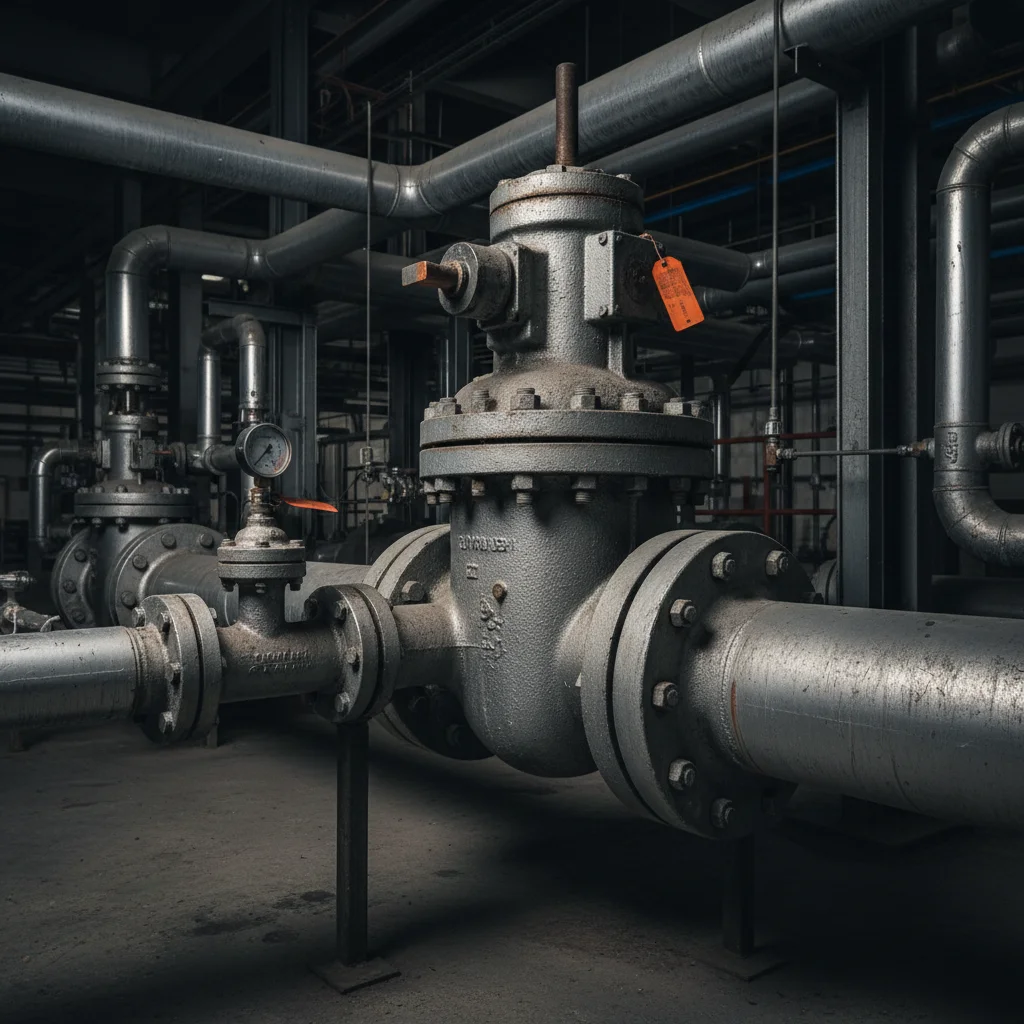
In the demanding world of oilfield operations, the integrity of fluid conveyance systems is paramount to preventing catastrophic failures. Understanding the nuances of high-pressure manifold configurations, often categorized alongside OEM safety valve types, is essential for ensuring that drilling and completion phases proceed without interruption. These systems are the first line of defense in managing extreme pressure environments, where any deviation from engineering standards can lead to significant operational risks.
The global energy sector increasingly relies on modular, high-performance systems to handle the transport of cementing slurries and well test fluids. As drilling depths increase and reservoir pressures become more volatile, the demand for equipment that balances flexibility with rigid safety compliance has surged. This shift has made the selection of specialized manifold assemblies and complementary pressure control components a critical strategic decision for rig operators and engineers worldwide.
By integrating advanced materials and precision engineering, modern annular manifolds provide a reliable solution for high-voltage discharge and coil pipelines. When paired with the correct OEM safety valve types and API-standard fittings, these systems ensure that fluid transport remains efficient even under the most stressful conditions, ultimately protecting both the workforce and the environment.

Global Relevance of High-Pressure Control Systems
The global oil and gas industry operates under strict international standards, such as ISO and API, to mitigate the risks associated with high-pressure fluid transport. In regions ranging from the Permian Basin to the North Sea, the deployment of robust manifold systems is not just a technical requirement but a safety mandate. The ability to manage pressures up to 140 MPa is critical for preventing blowouts and ensuring the stability of the wellbore during cementing.
Integrating these systems with an understanding of OEM safety valve types allows operators to create a redundant safety layer. This global standardization ensures that equipment can be moved across borders and integrated into various rig setups without sacrificing operational integrity or safety protocols.
Defining the Role of Annular Manifolds in Safety
An Annular Manifold is a high-performance fluid conveyance system specifically engineered to handle the extreme demands of oilfield operations. It serves as the primary artery for high-voltage discharge pipelines, coil pipelines, and cementing slurry, ensuring that fluids are transported safely from the pump to the wellhead. Its modular design is a response to the need for rapid deployment in remote areas where time is a critical factor.
In the context of safety, these manifolds act as the structural backbone that supports the implementation of various OEM safety valve types. By providing a stable, vibration-resistant pathway for fluids, the manifold reduces the mechanical stress on valves and seals, thereby lowering the probability of leaks or ruptures under high-stress conditions.
Modern definitions of these systems emphasize versatility. Whether configured as a short radius, long radius, or live loss type, the primary goal remains the same: maintaining a sealed, high-pressure environment that can withstand temperature ratings from -29 ℃ to 121 ℃, ensuring reliability in both arctic and desert climates.
Core Components of High-Performance Fluid Conveyance
The efficiency of a fluid conveyance system depends on its precision-engineered components. The use of high-grade swivel joints provides essential flexibility and vibration damping, which is critical when the system is subjected to the constant rhythmic pulsing of high-pressure pumps. These joints allow the manifold to absorb impact without compromising the seal, a feature often complemented by the precise calibration of OEM safety valve types.
Material selection is another core pillar. For environments containing H2S, NACE MR0175 compliance is mandatory to prevent sulfide stress cracking. By treating the steel and utilizing specialized alloys, the Annular Manifold ensures that the structural integrity is maintained even in sour gas wells, where standard equipment would fail rapidly. This durability is essential for the long-term operation of various OEM safety valve types installed within the line.
Finally, the modular architecture consisting of elbows and straight pipe assemblies allows for seamless integration. With nominal diameters ranging from 2 1/16" to 4 1/16", these components can be configured to fit any spatial constraint on a rig. This modularity ensures that the system can be scaled up or down depending on the flow requirements of the specific drilling project.
Practical Applications Across Oilfield Environments
In real-world applications, the Annular Manifold is indispensable for cementing and well testing. During cementing, the system must transport heavy slurry at extreme pressures to ensure the casing is properly sealed. The high flow efficiency and optimized internal geometry of the manifold minimize pressure drops, which is critical for maintaining the slurry's consistency and ensuring a successful bond between the casing and the formation.
Beyond cementing, these systems are widely used in remote industrial zones for well testing, where precise pressure control is required to evaluate reservoir potential. By coordinating the manifold with specific OEM safety valve types, engineers can safely bleed off pressure or redirect flow, ensuring that the testing phase does not compromise the safety of the site personnel.
Pressure Resistance and Reliability Ratings
Long-Term Value of NACE Compliant Equipment
Investing in NACE MR0175 compliant equipment provides significant long-term economic and operational value. By preventing sulfide stress cracking in sour gas environments, operators can dramatically extend the service lifespan of their manifolds and connected OEM safety valve types. This reduction in equipment failure rates translates directly into lower maintenance costs and minimized downtime during critical drilling phases.
Furthermore, the use of high-grade materials fosters a culture of trust and safety on the rig. When personnel know that the system is rated for 140 MPa and is chemically resistant to H2S, operational confidence increases. This reliability not only protects the physical assets but also ensures the dignity and safety of the workforce, which is the most valuable asset in any industrial operation.
Future Trends in Manifold Automation and Digitalization
The future of fluid conveyance lies in the integration of IoT and real-time monitoring. We are seeing a shift toward "smart manifolds" equipped with integrated sensors that log pressure and vibration data in real-time. This digitalization allows for predictive maintenance, where alerts are triggered for swivel joints and seals based on actual operating hours rather than generic schedules, further enhancing the effectiveness of OEM safety valve types.
Automation is also playing a role in the assembly and deployment process. Modular designs are being further optimized for robotic handling and rapid-connect systems, reducing the time required for rig moves. This trend toward "plug-and-play" high-pressure systems will significantly reduce the human error associated with manual assembly in harsh environments.
Sustainability is another driving force. The industry is exploring new, lightweight alloys that maintain extreme pressure resistance while reducing the overall carbon footprint of transportation and logistics. As the sector moves toward greener energy, these high-efficiency manifolds will be repurposed for carbon capture and sequestration (CCS) projects, where similar high-pressure transport requirements exist.
Overcoming Challenges in Extreme Pressure Scenarios
One of the primary challenges in high-pressure operations is the risk of vibration-induced fatigue. Constant pressure cycling can lead to micro-fractures in standard piping. The solution lies in the advanced swivel joint technology found in the Annular Manifold, which provides superior impact resistance and vibration damping. When these are synchronized with the correct OEM safety valve types, the system can withstand the rigors of high-flow slurry transfer.
Another common limitation is the spatial constraint of the rig floor. Traditional manifolds are often bulky and difficult to reposition. The modular approach—utilizing short and long radius elbows—solves this by allowing the system to be "wrapped" around existing equipment. This flexibility ensures that safety is not compromised for the sake of space.
Finally, ensuring compliance across global supply chains remains a hurdle. The implementation of digital certification management, where every single product serial number is linked to a hydrostatic testing record, ensures that every component meeting API and NACE standards is verified before it ever reaches the field.
Comparative Analysis of Manifold Configurations and Performance
| Configuration Type |
Pressure Ceiling |
Installation Speed |
Maintenance Need |
| Short Radius Manifold |
Up to 140 MPa |
Ultra-Fast |
Low (Predictive) |
| Long Radius Manifold |
Up to 140 MPa |
Fast |
Low (Predictive) |
| Live Loss Type |
Up to 105 MPa |
Moderate |
Medium |
| Standard API Manifold |
Up to 70 MPa |
Moderate |
High (Frequent) |
| NACE Sour-Service |
Up to 140 MPa |
Ultra-Fast |
Very Low |
| Coil Pipe Interface |
Up to 105 MPa |
Fast |
Low |
FAQS
The Annular Manifold is primarily used for high-voltage discharge pipelines, coil pipelines, well test lines, and cementing slurry pipelines. It is engineered to ensure the safe transport of fluids in oilfield environments where extreme high-pressure conditions are present, often working in tandem with specialized OEM safety valve types to maintain system integrity.
Yes, our Annular Manifolds are designed to meet NACE MR0175 standards. This means they are specifically treated to prevent sulfide stress cracking, making them safe and reliable for operations involving H2S in sour gas wells, ensuring that the manifold and associated OEM safety valve types do not degrade.
Depending on the specific configuration selected, the system is rated for a working pressure range between 35 MPa and 140 MPa (5,000 psi to 20,000 psi). This extreme pressure resistance is critical for high-risk oilfield environments where failure is not an option.
We offer three main forms to suit any spatial constraint: short radius annular manifolds, long radius annular manifolds, and live loss type circular manifolds. This versatility allows rig managers to optimize their layout without compromising the safety provided by their OEM safety valve types.
The manifold is composed of modular elbows and straight pipe assemblies. This design makes the system compact for transportation and storage while allowing for ultra-fast onsite composite assembly, reducing the time and labor required for rig setup.
Nominal diameters range from 2 1/16" to 4 1/16", with specific component sizes available in 1", 1-1/2", 2", 3", and 4". This range ensures compatibility with a wide variety of API flange and pipe union fitting standards.
Conclusion
In summary, the Annular Manifold represents a critical advancement in oilfield fluid conveyance, combining extreme pressure resistance up to 140 MPa with the flexibility of modular design. By adhering to NACE MR0175 and API standards, these systems provide a reliable foundation for high-risk operations, ensuring that the integration of OEM safety valve types and other pressure control components functions at peak efficiency.
Looking forward, the transition toward digital pressure monitoring and automated assembly will further reduce operational risks and maintenance costs. For operators seeking to maximize their return on investment while ensuring absolute site safety, upgrading to NACE-grade, modular manifold systems is not just a technical improvement, but a strategic necessity. Visit our website: www.hrzzparts.com