Guide to OEM safety valve working in Hydraulic Systems

Guide to OEM safety valve working in Hydraulic Systems

  • Home
  • Top Blog
  • Guide to OEM safety valve working in Hydraulic Systems
0%

Table of Contents

In the high-stakes environment of oil and gas drilling, the integrity of hydraulic connections is paramount to ensuring operational safety and efficiency. The concept of OEM safety valve working is central to preventing catastrophic failures by managing pressure surges and ensuring that critical components can withstand the extreme demands of the field. Understanding how these systems integrate with high-pressure fittings is the first step in optimizing rig uptime.

Across the global energy sector, the demand for precision-engineered components has led to a rigorous focus on how OEM safety valve working principles are applied to hydraulic pipe swivel joints and banjo hose fittings. These components must not only handle immense pressure but also facilitate movement without compromising the seal, making the synergy between safety valves and swivel joints a critical point of engineering.

By utilizing alloy steel forgings and advanced heat treatment, modern hydraulic assemblies ensure that the OEM safety valve working mechanisms are supported by a robust physical structure. This integration reduces the risk of cavity pressure build-up and enhances the overall reliability of drilling rig manifold assemblies and pipeline valves.

OEM safety valve working

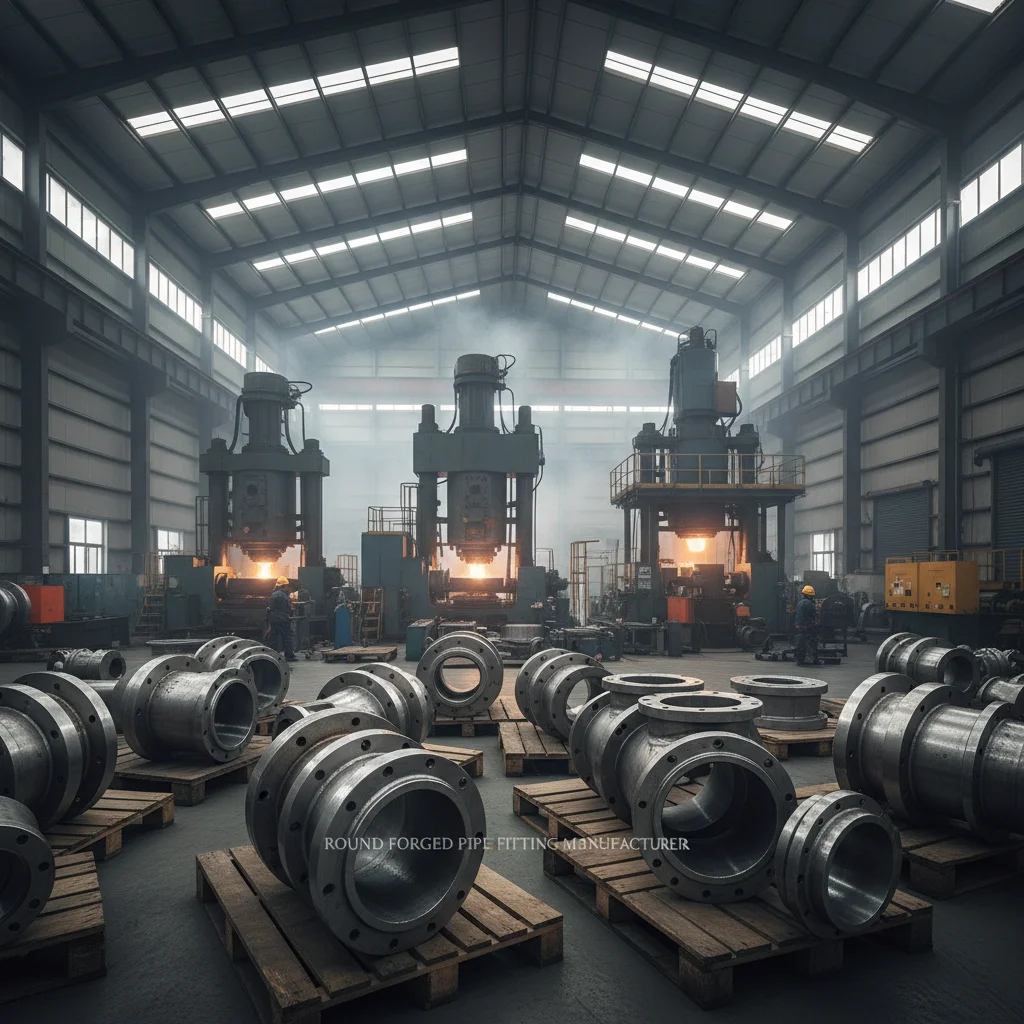
Material Integrity and Forging Excellence

OEM safety valve working

The foundation of any high-pressure hydraulic system lies in the quality of its raw materials. By utilizing alloy steel forgings and precision interbending forming, manufacturers can ensure uniform wall thickness throughout the elbow body. This structural consistency is vital for maintaining the effectiveness of the OEM safety valve working process, as any wall thickness variation could become a point of fatigue and eventual failure under extreme pressure.

Furthermore, strict control over the heat treatment process extends the service life of the elbow body significantly. By optimizing the metallurgical properties of the steel, the components can withstand the abrasive and corrosive environments typical of oil drilling sites, ensuring that the safety mechanisms operate without interference from material degradation.

Pressure Management and Leakage Prevention

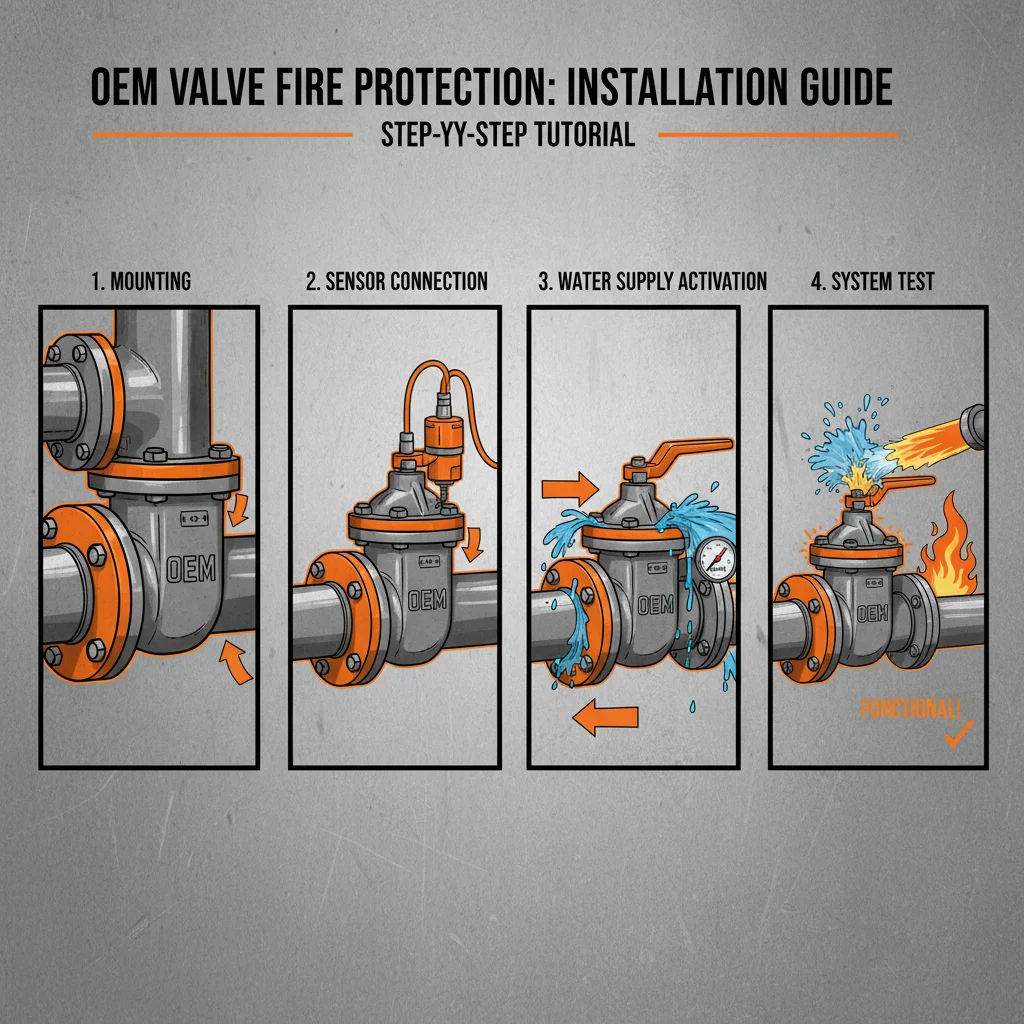
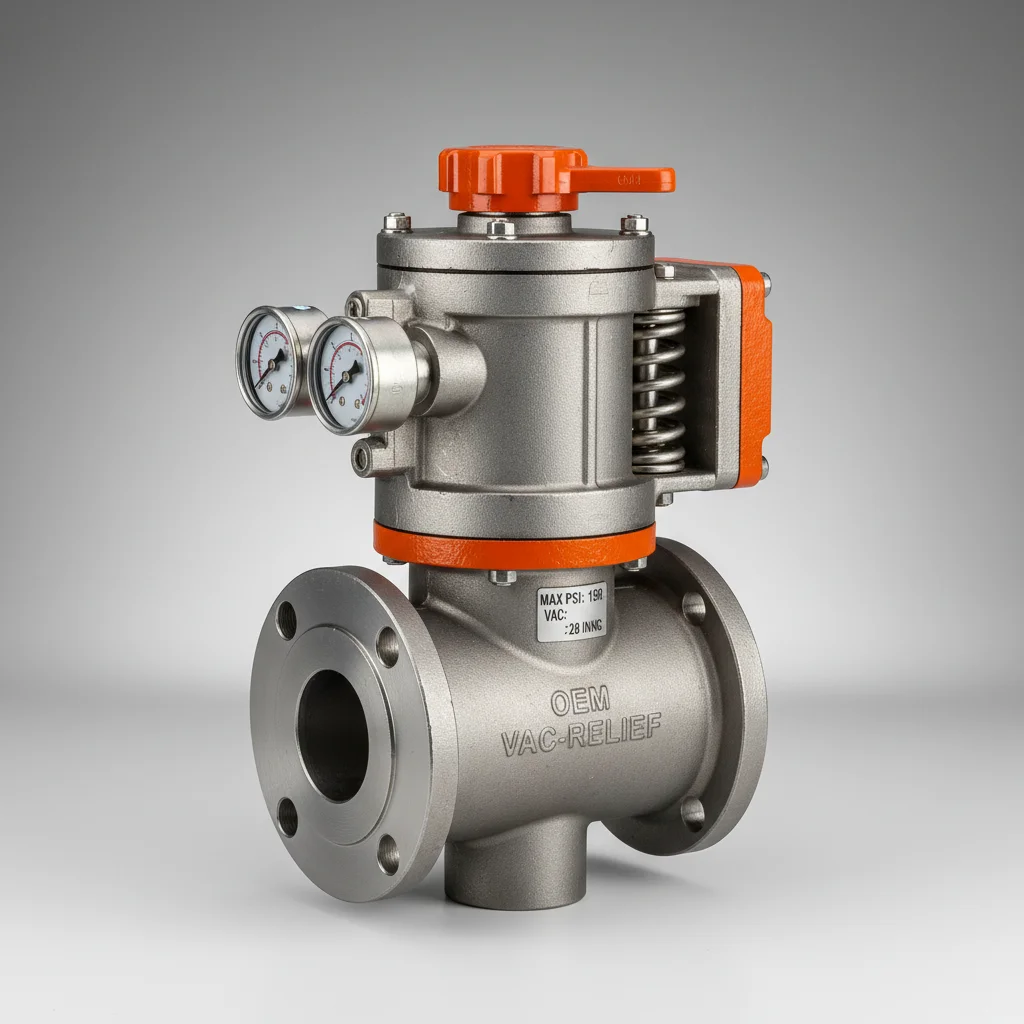
Effective pressure management is achieved through the strategic integration of pressure relief holes. These holes are specifically designed to ensure that if a seal leakage occurs, the pressure is automatically reduced, thereby preventing the dangerous build-up of cavity pressure within the fairway. This autonomous feature is a key aspect of how OEM safety valve working logic is physically implemented in high-pressure fittings.

The use of synthetic rubber combined with metal bearing rings provides a dual-layer defense against leaks. The synthetic rubber offers the flexibility needed to maintain a tight seal under varying temperatures, while the metal ring provides the structural support required to prevent the seal from extruding under high-pressure surges.

By combining these sealing technologies with automatic relief paths, the risk of sudden bursts is minimized. This comprehensive approach to leakage prevention not only protects the equipment but also ensures the safety of the personnel working in proximity to the high-pressure hydraulic lines.

Structural Design for Variable Loads

The three-fairway design of the activity elbow is engineered to effectively withstand both overload and radial loads. This specific geometry ensures that the joint remains smooth when under pressure, reducing the likelihood of turbulence or mechanical stress that could hinder the OEM safety valve working efficiency.

When operating under variable loads, the system must minimize vibration in the pipeline to prevent fatigue. The structural stability provided by the alloy steel construction ensures that the OEM safety valve working mechanism is not subjected to erratic oscillations, which could otherwise lead to premature wear or accidental triggering.

This focus on radial load resistance allows the swivel joint to maintain its alignment even during the most rigorous drilling operations. By ensuring the physical path of the fluid is optimized, the system can handle spikes in pressure without compromising the structural integrity of the banjo hose fittings.

Performance Metrics of High Pressure Joints

Quantifying the performance of hydraulic joints involves analyzing their response to pressure spikes and their ability to maintain a seal over thousands of cycles. The effectiveness of the OEM safety valve working system is often measured by the speed at which it can relieve excess cavity pressure and the durability of the relief hole design.

When comparing different forging methods, those utilizing interbending forming consistently show lower vibration rates and higher fatigue resistance. This stability is essential for maintaining a consistent flow rate and ensuring that the safety components are not overstressed by external mechanical vibrations.

Comparative Performance of OEM Safety Valve Working Efficiency

Global Standards and Interchangeability

To ensure global operational continuity, connection sizes are manufactured strictly according to American standards. This adherence to international norms allows these high-pressure fittings to replace similar foreign products seamlessly, ensuring that the OEM safety valve working parameters remain consistent regardless of the rig's origin.

Interchangeability reduces downtime during maintenance cycles, as operators can source high-quality replacements that fit existing manifolds and pipe unions without requiring expensive modifications to the overall system architecture.

Long-Term Durability and Maintenance

The longevity of a hydraulic swivel joint is determined by its resistance to wear and the quality of its seals. The integration of metal bearing rings within the sealing assembly prevents the synthetic rubber from degrading under the constant friction of swivel movements, which is critical for long-term OEM safety valve working stability.

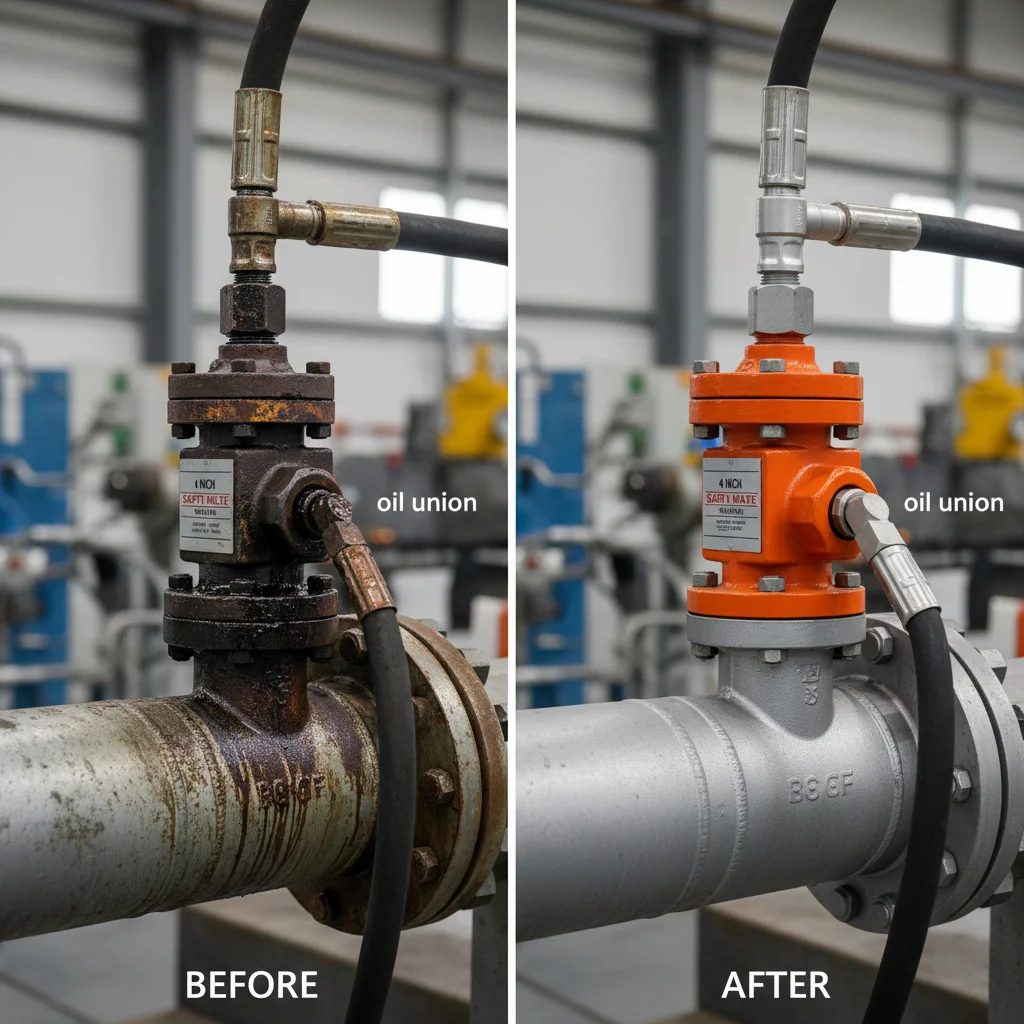
Regular inspections of the pressure relief holes are recommended to ensure they remain unobstructed. Because these holes serve as the primary defense against cavity pressure build-up, their cleanliness is directly tied to the safety profile of the entire drilling rig assembly.

Ultimately, the use of alloy steel and specialized heat treatments ensures that the body of the fitting does not suffer from stress corrosion cracking, allowing the system to operate for extended periods in harsh environments without requiring total component replacement.

Comparative Analysis of Seal Materials

Selecting the right sealing material is a balance between chemical resistance and mechanical strength. Synthetic rubbers are preferred for their ability to maintain elasticity in extreme temperatures, which ensures that the OEM safety valve working mechanism is not compromised by seal shrinkage or hardening.

When compared to traditional rubber seals, the combination of synthetic elastomers and metal bearing rings significantly reduces the frequency of leak-related shutdowns. This hybrid approach distributes the mechanical load more evenly across the seal surface.

The resulting increase in reliability means that drilling operations can proceed with higher confidence, knowing that the connection points are capable of handling the dynamic pressures inherent in deep-well drilling.

Analysis of Seal Material Performance for High Pressure Joints

Material Type Pressure Resistance Thermal Stability Service Life Rating
Standard Rubber Medium Low 5/10
Synthetic Rubber High Medium 7/10
Rubber + Metal Ring Very High High 9/10
Teflon Composite High Very High 8/10
Nitrile-based Seal Medium Medium 6/10
Alloy-Reinforced Seal Extreme High 10/10

FAQS

How does the pressure relief hole improve safety in swivel joints?

The pressure relief hole is designed to automatically reduce pressure if a seal leak occurs. By providing a controlled exit path, it prevents the build-up of cavity pressure in the fairway, which significantly reduces the risk of explosive decompression or structural failure, thereby optimizing the OEM safety valve working efficiency.

Why is alloy steel forging preferred over casting for these fittings?

Forged alloy steel provides a denser grain structure and uniform wall thickness, which is critical for high-pressure applications. Unlike casting, forging eliminates internal voids and porosities, ensuring the component can withstand extreme radial loads and support the reliable OEM safety valve working process without fatigue.

Are these banjo hose fittings compatible with existing American standard rigs?

Yes, the connection sizes are manufactured strictly in accordance with American standards. This ensures complete interchangeability with similar foreign products, allowing operators to upgrade their hardware without altering the existing piping or manifold configurations.

What is the role of the metal bearing ring in the sealing system?

The metal bearing ring provides structural reinforcement to the synthetic rubber seal. It prevents the rubber from extruding or distorting under high hydraulic pressure, which maintains the seal's integrity and ensures that the OEM safety valve working mechanisms operate in a stable, leak-free environment.

How does the three-fairway design affect pipeline vibration?

The three-fairway design is engineered to distribute radial and overload stresses more evenly. This leads to a smoother flow of hydraulic fluid under pressure, which significantly reduces pipeline vibration and protects the system from the mechanical fatigue that often affects simpler elbow designs.

How often should the pressure relief holes be inspected?

Inspection intervals depend on the severity of the environment, but it is generally recommended to check them during every major maintenance cycle. Ensuring these holes are clear of debris is essential for the automatic pressure reduction feature to function correctly during a seal failure.

Conclusion

The integration of high-quality alloy steel forgings, precision interbending forming, and strategic pressure relief designs creates a robust framework for hydraulic safety in drilling operations. By focusing on the synergy between structural integrity and the automatic pressure reduction capabilities of the OEM safety valve working principles, operators can significantly mitigate the risks associated with high-pressure cavity build-up and component fatigue.

Looking forward, the adoption of these advanced standards in API flanges and drilling manifold assemblies will continue to drive industry safety and efficiency. We recommend prioritizing components that combine synthetic rubber seals with metal bearing rings to ensure maximum longevity and reliability in the most demanding environments. For more high-performance hydraulic solutions, visit our website: www.hrzzparts.com.

Robert Johnson

Robert Johnson

Robert Johnson serves as a Regional Sales Manager for North America, focusing on expanding our market presence in the mining and chemical industries. With a background in business administration and eight years of experience at Hongru, Robert possesses a deep understanding of our product line, including our high-strength flanges and specialized valves. He is adept at identifying customer needs and providing tailored solutions that prioritize both cost-effectiveness and safety. Robert actively participates in industry trade shows, demonstrating our commitment to innovation and building strong client relationships. His expertise includes navigating complex procurement processes and ensuring on-time delivery of critical components.
Previous Efficient Pipeline Solutions Using OEM safety valve with lever
Next High Pressure Oilfield API Certified OEM security valve Guide

If you are interested in our products, you can choose to leave your information here, and we will be in touch with you shortly.


If you are interested in our products, you can choose to leave your information here, and we will be in touch with you shortly.