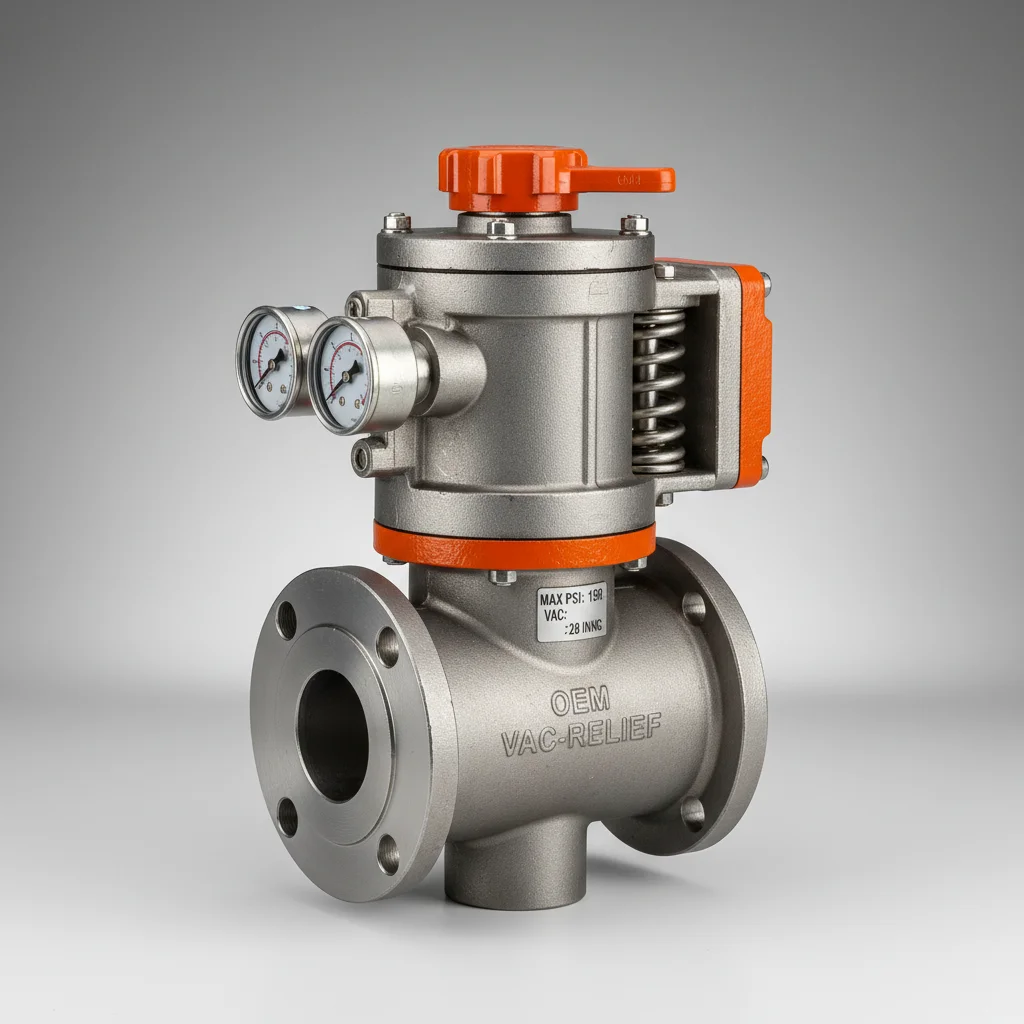
Selecting a reliable stainless steel plug valve Manufacturer is a critical decision for operators in the oil and gas sector, where the integrity of fluid control systems directly impacts operational safety and environmental protection. These specialized valves are engineered to provide a tight shut-off and exceptional resistance to the corrosive nature of drilling fluids and hydrocarbons, ensuring that high-pressure manifolds and pipeline systems remain secure under extreme stress.
In the complex ecosystem of drilling rig manifold assemblies and API pipe union fittings, the role of the plug valve is indispensable due to its quarter-turn operation and robust design. A professional stainless steel plug valve Manufacturer does not merely produce a component but provides a precision-engineered solution that minimizes leakage risks and reduces the frequency of costly maintenance shutdowns in remote drilling locations.
As global energy demands push extraction into more hostile environments—such as deep-sea drilling or high-sulfur reservoirs—the demand for superior metallurgy and exacting manufacturing standards has never been higher. Understanding the technical nuances of these valves allows engineers to optimize their pipeline valves and rotary drilling hose configurations for maximum longevity and reliability.
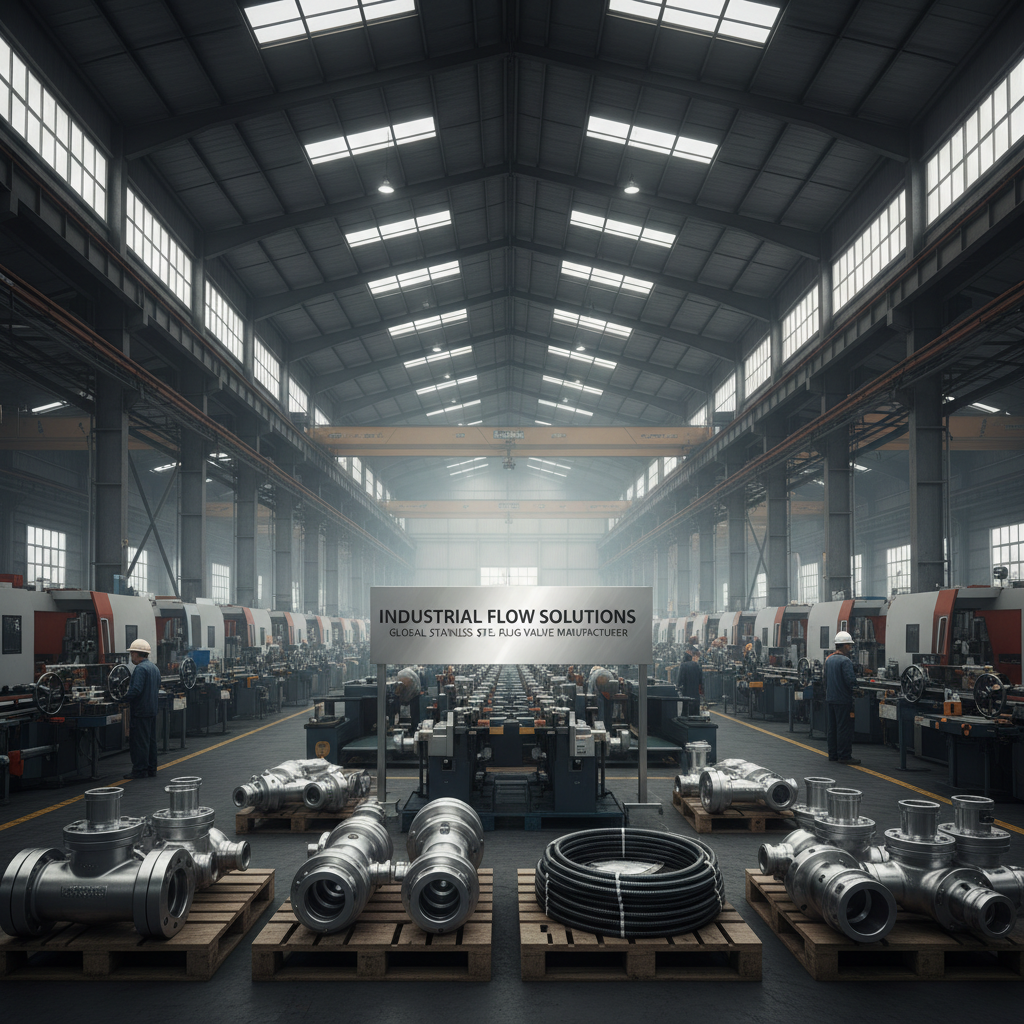
The Industrial Significance of a Stainless Steel Plug Valve Manufacturer
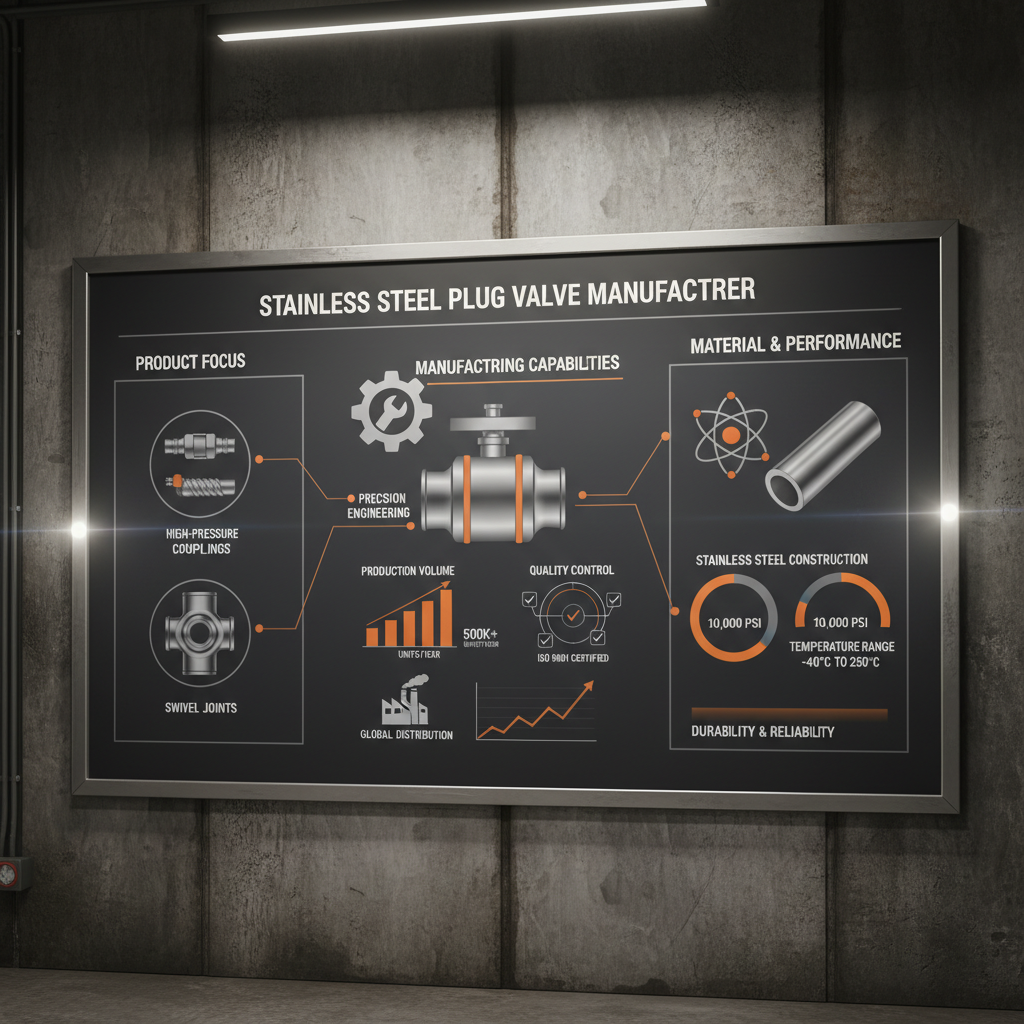
The role of a stainless steel plug valve Manufacturer extends far beyond simple casting and machining. In the specialized field of oil drilling and mining equipment, these manufacturers serve as the first line of defense against catastrophic pressure failures. By adhering to API (American Petroleum Institute) standards, they ensure that every valve can withstand the abrasive nature of slurry and the corrosive effects of H2S and CO2 commonly found in subterranean reserves.
Moreover, the ability to provide customized solutions—such as integrating valves with specific API Flange configurations—allows for seamless installation within existing pipeline networks. This synergy between metallurgical expertise and mechanical engineering is what defines a top-tier manufacturer, ensuring that the equipment provided can handle the thermal expansion and contraction cycles typical of high-pressure drilling environments.
Engineering Standards and Material Integrity
Material selection is the cornerstone of any reputable stainless steel plug valve Manufacturer. The use of 316/316L stainless steel, or more exotic alloys like Duplex and Super Duplex, is essential for preventing pitting and crevice corrosion. These materials provide the necessary hardness to resist the scouring effect of particulates in the flow stream while maintaining the ductility required to prevent brittle fractures under high-impact loads.
Beyond the raw material, the manufacturing process involves precision grinding and polishing of the plug surfaces to achieve a mirror-like finish. This reduces friction during operation and ensures a bubble-tight seal, which is non-negotiable when dealing with hazardous chemicals or volatile hydrocarbons. The integration of PTFE or PEEK soft seats further enhances the sealing capability, allowing the valve to operate efficiently across a wide range of temperatures.
Quality assurance protocols, including hydrostatic testing and radiographic inspection, are implemented to verify that there are no internal casting defects. For a stainless steel plug valve Manufacturer, following ISO 9001 and API 6D specifications isn't just a regulatory requirement; it is a commitment to the safety of the personnel working on the rig and the protection of the surrounding environment.
Core Components of High-Performance Plug Valves
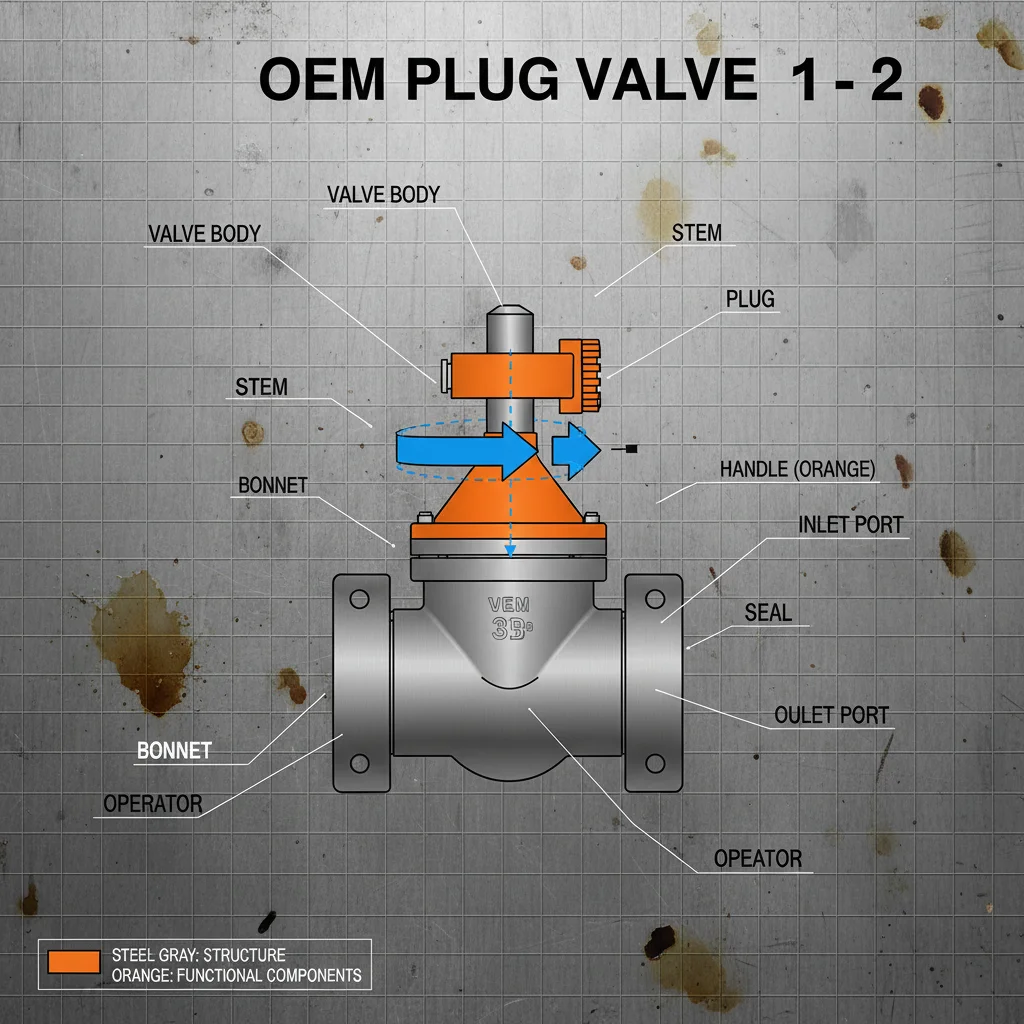
The structural integrity of a valve produced by a leading stainless steel plug valve Manufacturer relies on the precision of its plug and body interface. The plug, typically a tapered or cylindrical component, must fit perfectly within the valve body to eliminate dead spaces where corrosive fluids could accumulate and cause localized failure.
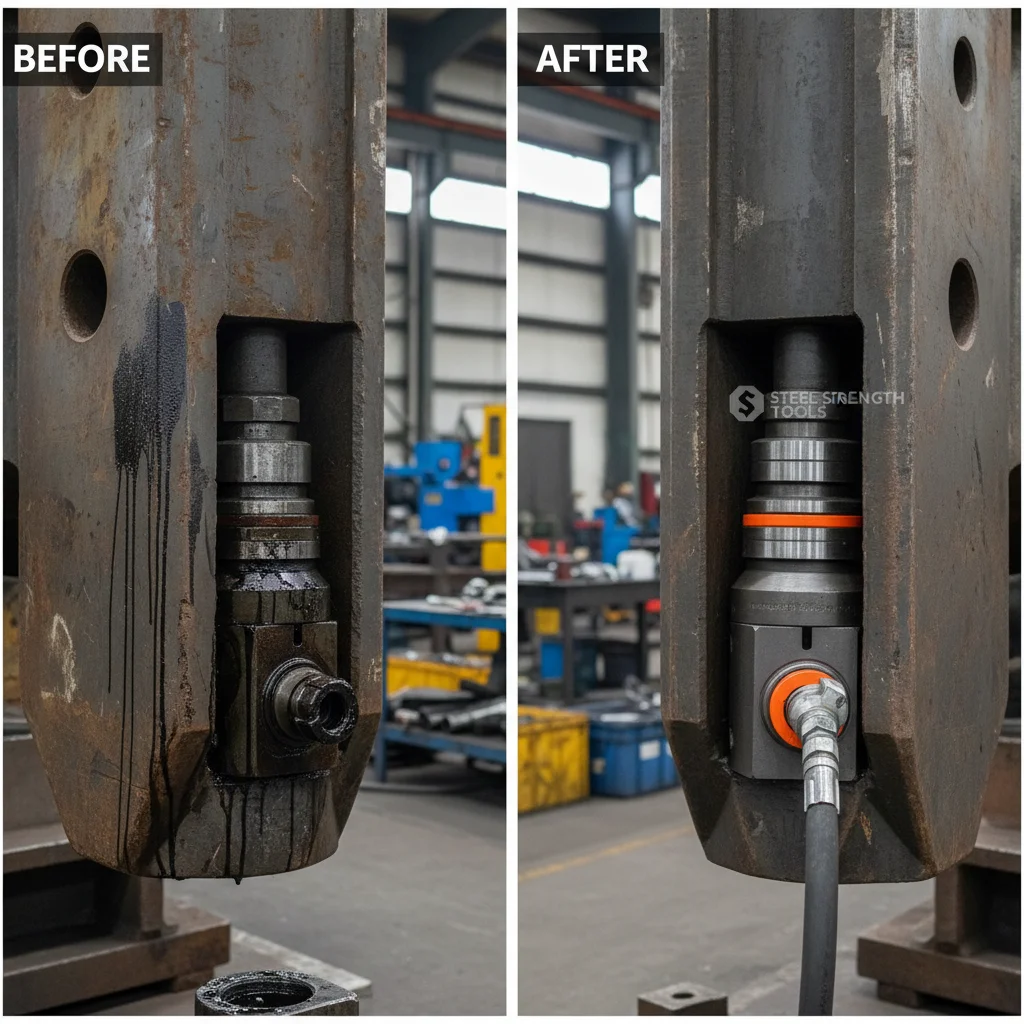
Critical to this assembly is the lubrication system, which a professional stainless steel plug valve Manufacturer integrates to ensure smooth actuation. In lubricated plug valves, the injection of specialized sealants not only reduces torque during operation but also provides an additional barrier against leakage, extending the service life of the valve in sandy or muddy environments.
Finally, the actuator interface and the stem design are optimized to prevent "blow-out" under extreme pressure. By utilizing high-tensile strength alloys and reinforced packing glands, the manufacturer ensures that the valve remains operable even after years of exposure to salty sea spray or abrasive desert dust, maintaining the reliability of the overall drilling rig manifold assembly.
Comparative Performance Analysis of Valve Designs
Different operational requirements necessitate different design approaches from a stainless steel plug valve Manufacturer. For instance, lubricated plug valves are preferred for their longevity and ease of maintenance in heavy-duty oilfield applications, whereas non-lubricated versions are often chosen for high-frequency cycling where automatic sealing is required.
When evaluating these options, engineers consider the trade-off between initial procurement cost and the long-term Total Cost of Ownership (TCO). While specialized alloys increase the upfront price, the reduction in downtime and replacement frequency makes them the logically superior choice for critical pipeline valves.
Performance Metric Comparison by stainless steel plug valve Manufacturer Spec
Global Applications in Oil and Gas Infrastructure
The versatility of products from a stainless steel plug valve Manufacturer allows them to be deployed in diverse geographic and industrial contexts. In the Permian Basin of the US or the North Sea oil fields, these valves are integrated into high-pressure manifolds to manage the flow of crude oil and natural gas with absolute precision.
Beyond traditional drilling, these valves are essential in chemical processing plants and geothermal energy sites where fluid temperatures can fluctuate wildly. In remote industrial zones, the simplicity of the plug valve design reduces the need for highly specialized on-site technicians, as the mechanism is intuitive and less prone to the complex failures seen in ball or gate valves.
Long-term Value and Operational Reliability
Investing in equipment from a reputable stainless steel plug valve Manufacturer provides tangible economic advantages. The primary value lies in the reduction of "unplanned downtime." In the drilling industry, a single leaking valve in a manifold assembly can halt production for an entire rig, costing operators tens of thousands of dollars per hour in lost productivity.
Furthermore, the sustainability aspect cannot be overlooked. High-grade stainless steel components have a significantly longer lifecycle than carbon steel alternatives, reducing the volume of industrial waste and the frequency of replacement cycles. This alignment with ESG (Environmental, Social, and Governance) goals makes them a preferred choice for modern energy companies.
From a safety perspective, the trust placed in a certified manufacturer translates to peace of mind for the engineers. Knowing that the valves have undergone rigorous pressure testing and comply with international safety standards ensures that the risk of blowout or hazardous leaks is minimized, protecting both human life and the surrounding ecosystem.
Future Innovations in Plug Valve Technology
The landscape for any stainless steel plug valve Manufacturer is currently being reshaped by the digital transformation of the oilfield. The integration of "Smart Valves"—equipped with IoT sensors—allows for real-time monitoring of valve wear, seal integrity, and actuation torque. This shift from reactive to predictive maintenance is revolutionizing how pipeline valves are managed across vast networks.
Material science is also evolving, with the introduction of nano-coatings that provide even higher resistance to abrasion and corrosion than traditional polishing. These coatings allow valves to operate in increasingly aggressive "sour" environments without sacrificing the core structural properties of the stainless steel.
Additionally, the move toward carbon neutrality is driving manufacturers to optimize the production process, utilizing 3D metal printing (additive manufacturing) to create complex internal geometries that reduce fluid turbulence and pressure drops, thereby increasing the overall energy efficiency of the pumping system.
Technical Specification and Application Analysis for Plug Valve Variants
| Valve Variant |
Primary Material |
Max Pressure Rating |
Corrosion Resistance |
| Lubricated Plug |
SS 316L |
10,000 PSI |
High |
| Non-Lubricated Plug |
SS 316 |
5,000 PSI |
Medium |
| Duplex Plug |
Duplex 2205 |
15,000 PSI |
Very High |
| Super Duplex Plug |
Super Duplex 2507 |
20,000 PSI |
Extreme |
| PTEF Lined Plug |
SS 304 + PTFE |
3,000 PSI |
High (Chemical) |
| High-Temp Alloy |
Inconel 625 |
12,000 PSI |
Extreme |
FAQS
The primary advantage lies in the sealing mechanism and the "straight-through" flow path. A stainless steel plug valve typically offers a tighter seal in high-pressure, high-viscosity applications and is less prone to leakage around the stem. Additionally, the robust design of plug valves makes them more resistant to the abrasive particles found in drilling mud and slurries compared to the more delicate seating of some ball valves.
Service intervals depend on the frequency of operation and the abrasiveness of the medium. However, a professional stainless steel plug valve Manufacturer typically recommends a lubrication check every 3 to 6 months. Regular injection of sealant prevents the plug from seizing and maintains the bubble-tight seal, significantly extending the valve's operational life and reducing the risk of emergency shutdowns.
For offshore environments, Super Duplex stainless steel (such as 2507) is highly recommended. It offers superior resistance to chloride-induced stress corrosion cracking and pitting, which are common in salty marine environments. While SS 316 is suitable for many applications, the extreme conditions of deep-sea drilling require the higher mechanical strength and corrosion resistance provided by Duplex or Super Duplex alloys.
Yes, any reputable stainless steel plug valve Manufacturer ensures that their products are fully compatible with API 6A or API 6D flange standards. This ensures that the valves can be seamlessly integrated into existing drilling rig manifold assemblies and pipeline networks without the need for custom adapters, ensuring a secure, leak-proof connection across the entire system.
Yes, provided the correct material and seat selection are made. For high-temperature geothermal applications, manufacturers utilize specialized alloys like Inconel or high-grade stainless steel combined with PEEK or metal-to-metal seats. These materials maintain their structural integrity and sealing capabilities at temperatures where standard PTFE seats would melt or degrade.
Verification should involve reviewing the manufacturer's certifications (ISO 9001, API 6D), requesting Material Test Reports (MTRs) for the stainless steel used, and checking their pressure testing logs. A quality manufacturer will provide full traceability for every component and offer a comprehensive warranty backed by rigorous third-party inspection reports.
Conclusion
In summary, the selection of a high-quality stainless steel plug valve Manufacturer is fundamental to the operational success and safety of any oil and gas infrastructure. By combining advanced metallurgy—ranging from SS 316 to Super Duplex—with precision engineering and adherence to API standards, these valves ensure that critical manifolds and pipelines can withstand the most grueling industrial conditions. The long-term value is found not only in the durability of the hardware but in the drastic reduction of downtime and the mitigation of environmental risks.
Looking forward, the integration of smart sensing technology and additive manufacturing will further elevate the efficiency of fluid control systems. For operators and engineers, the focus should remain on partnering with manufacturers who prioritize material traceability and innovative design. Ensuring that your system is equipped with the highest grade of plug valves today is the most effective way to safeguard your assets and optimize production for the future. Visit our website for more professional solutions: www.hrzzparts.com