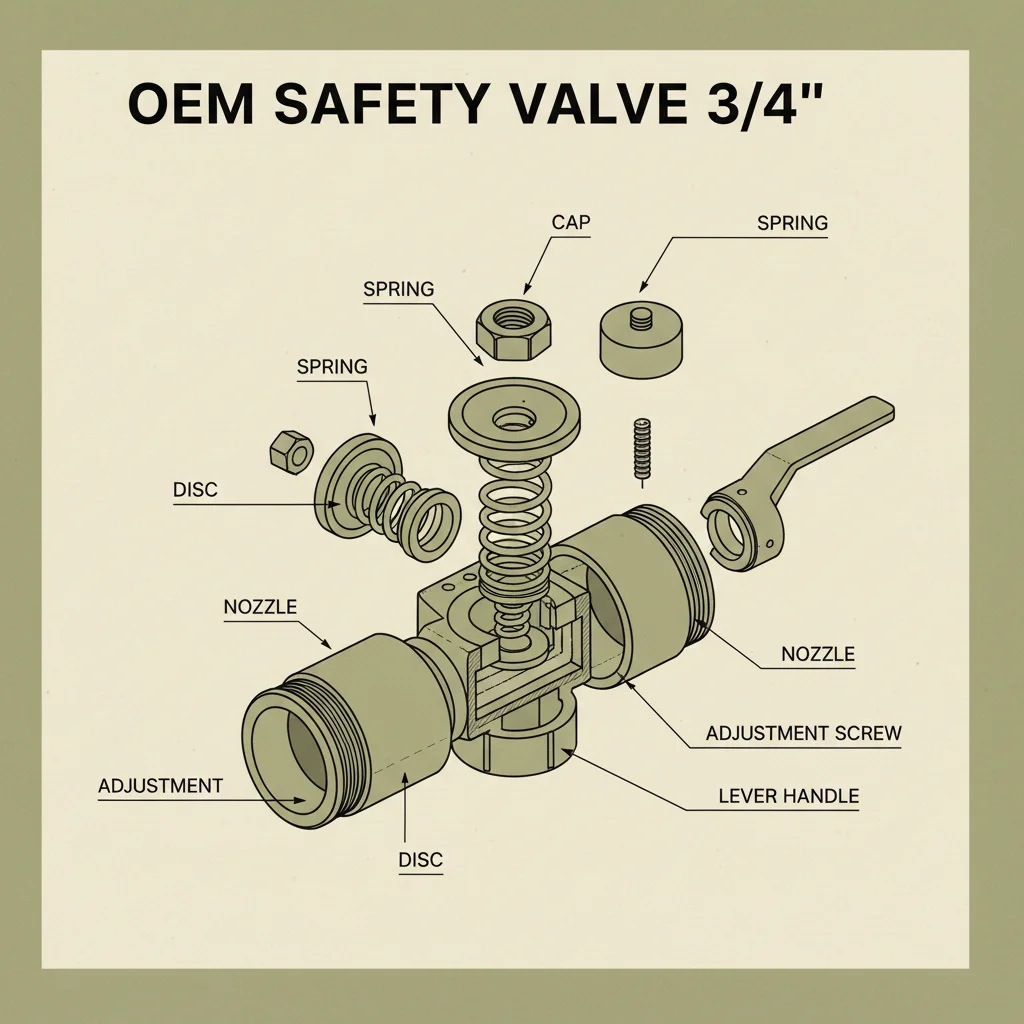
In the demanding environment of petroleum drilling and solids control, the efficiency of pipeline connections can dictate the overall pace of well construction. The use of a high-quality OEM safety valve with lever or specialized pneumatic tire unions ensures that fluid transport remains uninterrupted even under challenging field conditions. By prioritizing robust sealing and rapid deployment, operators can significantly mitigate the risks associated with pipeline misalignment and pressure fluctuations.
The global oil and gas industry operates under rigorous safety and productivity standards, where the failure of a single connection point can lead to costly downtime or environmental hazards. Implementing an OEM safety valve with lever and pneumatic tire systems provides a critical layer of reliability. These components are engineered to handle the abrasive nature of drilling fluids while allowing for the flexibility required in the dynamic layout of mud tanks.
Understanding the technical nuances of pneumatic tire unions is essential for any engineer looking to optimize a drilling solids control system. Whether dealing with mud, oil, or clean water, the ability to quickly disassemble and reinstall connections without losing seal integrity is a game-changer. Integrating a reliable OEM safety valve with lever into the broader pipeline infrastructure ensures that safety is never compromised for the sake of speed.

Engineering Fundamentals of Pneumatic Tire Unions
The core engineering of pneumatic tire unions centers on the ability to accommodate large misalignments between pipelines. By utilizing a combination of a robust steel shell and a flexible pneumatic tire, these unions create a secure seal that does not rely on perfect coaxial alignment. This is particularly critical when utilizing an OEM safety valve with lever in systems where mud tanks are shifted frequently.
The structural integrity is maintained by the high-strength steel exterior, which protects the internal pneumatic elements from the harsh external environment of a drilling site. This design ensures that the connection remains stable even when the dislocation between the pipes changes significantly during site installation.
Versatility in Drilling Fluid Mediums
One of the most significant advantages of these systems is their compatibility with a wide range of working mediums. Whether the pipeline is transporting thick drilling mud, oil, or clean water, the materials used in the union and the accompanying OEM safety valve with lever are designed to resist chemical degradation.
Acid-base mediums often present a corrosion challenge for standard fittings. However, the specialized coatings and material selection in pneumatic tire unions ensure that the sealing surface remains intact, preventing leaks that could lead to environmental contamination or operational failure.
This versatility allows operators to use a standardized set of equipment across different drilling phases. By maintaining consistency in the hardware, including the OEM safety valve with lever, companies can reduce their spare parts inventory and simplify training for field personnel.
Operational Efficiency and Quick Disassembly
In the fast-paced environment of petroleum extraction, the time spent on assembly and disassembly directly impacts the bottom line. The design of pneumatic tire unions allows for rapid connection and disconnection, which complements the quick-action nature of an OEM safety valve with lever.
The pneumatic tire recovery time is an essential metric, typically ranging between 1-3 seconds after deflation. This rapid response ensures that workers can move equipment or change configurations almost instantaneously, while the OEM safety valve with lever provides the necessary control to isolate the line during these transitions.
Reducing physical labor is another key benefit. Traditional bolted flanges require significant effort and time to secure; in contrast, pneumatic unions simplify the process, allowing a smaller crew to manage larger diameter pipelines effectively. This efficiency is further enhanced when paired with a reliable OEM safety valve with lever for system venting.
Sealing Performance and Pressure Limits
Maintaining a leak-proof system is paramount when handling drilling fluids. Pneumatic tire unions are specifically engineered for low-pressure applications, with a maximum sealing pressure of 0.4Mpa. This limit ensures that the pneumatic tire can maintain its grip on the pipeline without risking a catastrophic burst, while the OEM safety valve with lever acts as a safeguard.
The interaction between the tire and the pipe wall creates a compression seal that is remarkably resilient to vibration. Even in high-vibration environments common to drilling rigs, the seal remains tight, ensuring that the flow managed by the OEM safety valve with lever is directed precisely where it needs to go.
Performance Metrics for OEM safety valve with lever Systems
Integration with Pipeline Infrastructure
The flexibility of pneumatic tire unions allows them to be integrated with various piping materials. For instance, connecting pipelines can be made of glass steel pipes, which offer exceptional corrosion resistance, or hoses with joints at both ends for maximum bendability. This adaptability is essential when routing lines around an OEM safety valve with lever in tight spaces.
By combining the strength of steel pipes with the flexibility of hoses, operators can create a customized layout that suits the specific geometry of their drilling site. The seamless integration of these components ensures that the OEM safety valve with lever remains accessible for emergency shut-offs while the pipelines remain secure.
Impact on Well Construction Timelines
The ability to reduce the time required for site setup is one of the most tangible benefits of using pneumatic tire unions. In traditional setups, every minor shift in mud tank position requires a complete disassembly and re-alignment of the piping. With the introduction of an OEM safety valve with lever and pneumatic connections, this process is streamlined.
Reducing the physical labor associated with pipeline connections not only speeds up the process but also improves worker safety. Fewer man-hours spent struggling with heavy flanges means a lower risk of injury and a more focused workforce. This operational leaness is supported by the reliability of the OEM safety valve with lever.
Ultimately, shortening the period of well construction leads to significant cost savings for the operator. When equipment can be deployed and adjusted in minutes rather than hours, the overall project timeline is compressed, allowing for faster transitions between drilling sites and increased annual productivity.
Comparative Analysis of Connection Methods
When comparing pneumatic tire unions to traditional API flanges, the difference in flexibility is stark. While flanges are superior for high-pressure, permanent installations, they lack the agility needed for mud tank connections. The addition of an OEM safety valve with lever provides the control that traditional unions might lack.
In terms of maintenance, pneumatic unions require periodic checks of the tire's elasticity and the shell's integrity. However, the ease of replacement for the tire component makes them more sustainable in the long run compared to replacing an entire flange assembly. Pairing these with a durable OEM safety valve with lever minimizes the need for frequent system overhauls.
For operators deciding between different connection strategies, the choice often comes down to the frequency of disassembly. In solids control systems where layouts are fluid, the combination of pneumatic unions and the OEM safety valve with lever is the clear winner for efficiency and adaptability.
Comparison of Connection Technologies in Drilling Systems
| Connection Type |
Installation Speed |
Misalignment Tolerance |
Pressure Capability |
| Pneumatic Union |
Very High |
Excellent |
Low (0.4Mpa) |
| API Flange |
Low |
Poor |
Very High |
| Threaded Union |
Medium |
Poor |
Medium |
| Hose Clamp |
High |
Good |
Very Low |
| Quick-Connect Valve |
Very High |
Medium |
Medium |
| Lever-Action Safety |
High |
Medium |
Medium |
FAQS
The primary advantage is the ability to handle large misalignments and allow for rapid disassembly. In drilling solids control, mud tanks are often repositioned, making the flexibility of the pneumatic tire essential for quick installation without requiring precise pipe alignment.
These unions are designed for low-pressure applications, typically with a maximum sealing pressure of 0.4Mpa. They are ideal for mud tank connections but should not be used in high-pressure manifolds where an OEM safety valve with lever might be needed for higher thresholds.
Yes, they are engineered to work with drilling fluids including mud, oil, and clean water. The materials are selected to resist acid-base mediums, ensuring the seal remains effective even when exposed to chemically aggressive fluids.
The pneumatic tire recovery time is exceptionally fast, usually taking between 1 to 3 seconds after deflation. This allows for near-instantaneous reconfiguration of the pipeline during on-site operations.
They are highly compatible with various materials, including glass steel pipes for corrosion resistance and flexible hoses with joints at both ends for areas requiring significant bending or routing flexibility.
The lever provides mechanical advantage and clear visual confirmation of the valve's state (open or closed). This allows operators to quickly isolate sections of the pipeline during emergencies or maintenance, enhancing overall site safety.
Conclusion
The integration of pneumatic tire unions and high-performance components like the OEM safety valve with lever represents a critical optimization in drilling solids control systems. By addressing the challenges of pipeline misalignment and the need for rapid disassembly, these tools not only reduce physical labor but also significantly shorten well construction timelines. The synergy between robust steel shells, flexible pneumatic seals, and precise valve control ensures a safe, efficient, and leak-proof environment for transporting diverse drilling fluids.
Looking forward, the industry is moving toward even more automated and sustainable connection solutions. However, the fundamental reliability of the pneumatic union remains unmatched for low-pressure, high-flexibility applications. We recommend that operators prioritize high-quality OEM components to ensure longevity and safety in the field. For more information on premium pipeline solutions, visit our website: www.hrzzparts.com.