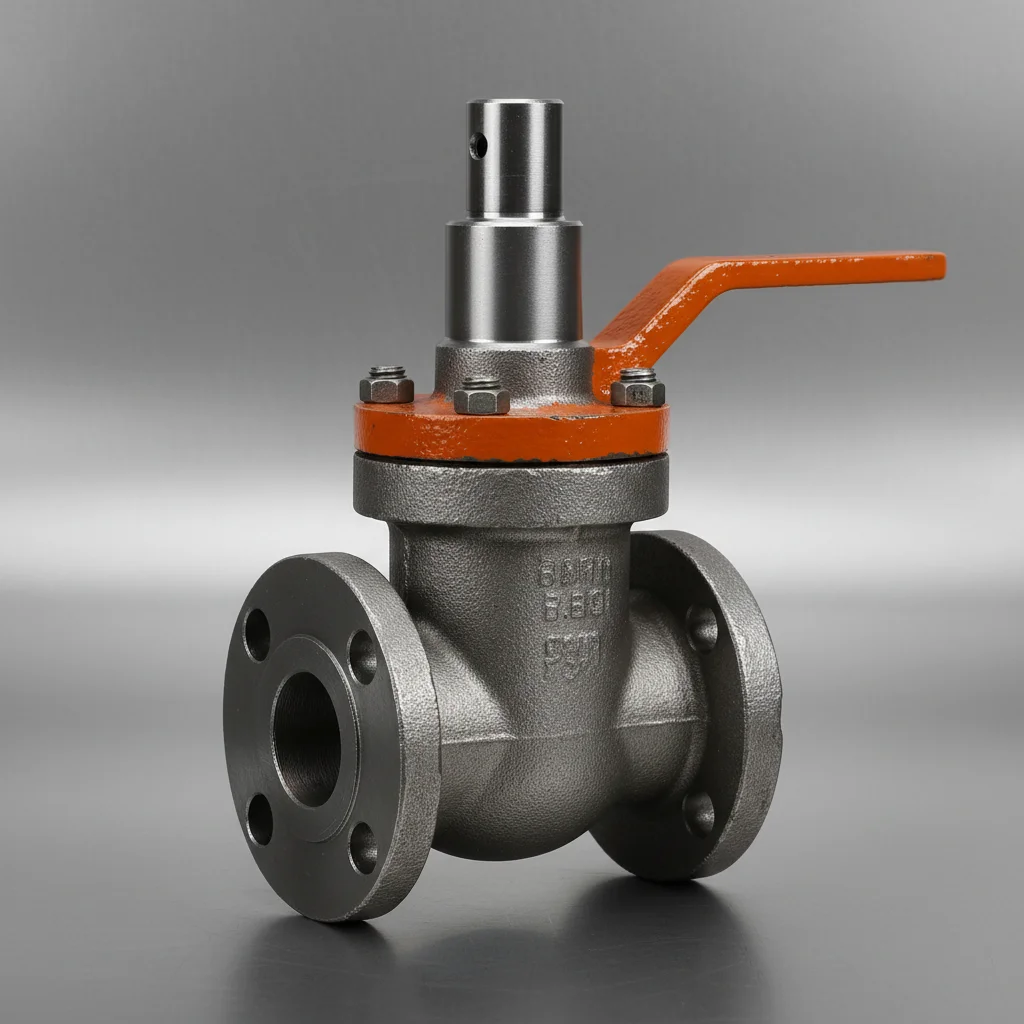
In the high-pressure environment of oil and gas extraction, the cost of downtime can be astronomical, making the procurement of high-quality components a strategic priority. Many procurement managers often search for a competitive OEM safety valve price to balance their operational budgets with the need for rigorous safety standards. Understanding the pricing dynamics of these critical components allows operators to maintain system integrity without compromising on financial efficiency.
The global movement toward standardized API specifications has shifted the focus from merely finding the cheapest part to identifying the best value proposition in terms of longevity and reliability. When analyzing an OEM safety valve price, it is essential to consider the total cost of ownership, including installation, maintenance, and the potential cost of failure. In the specialized field of drilling rig manifolds and pipeline valves, the margin for error is zero, necessitating a transparent approach to pricing and quality.
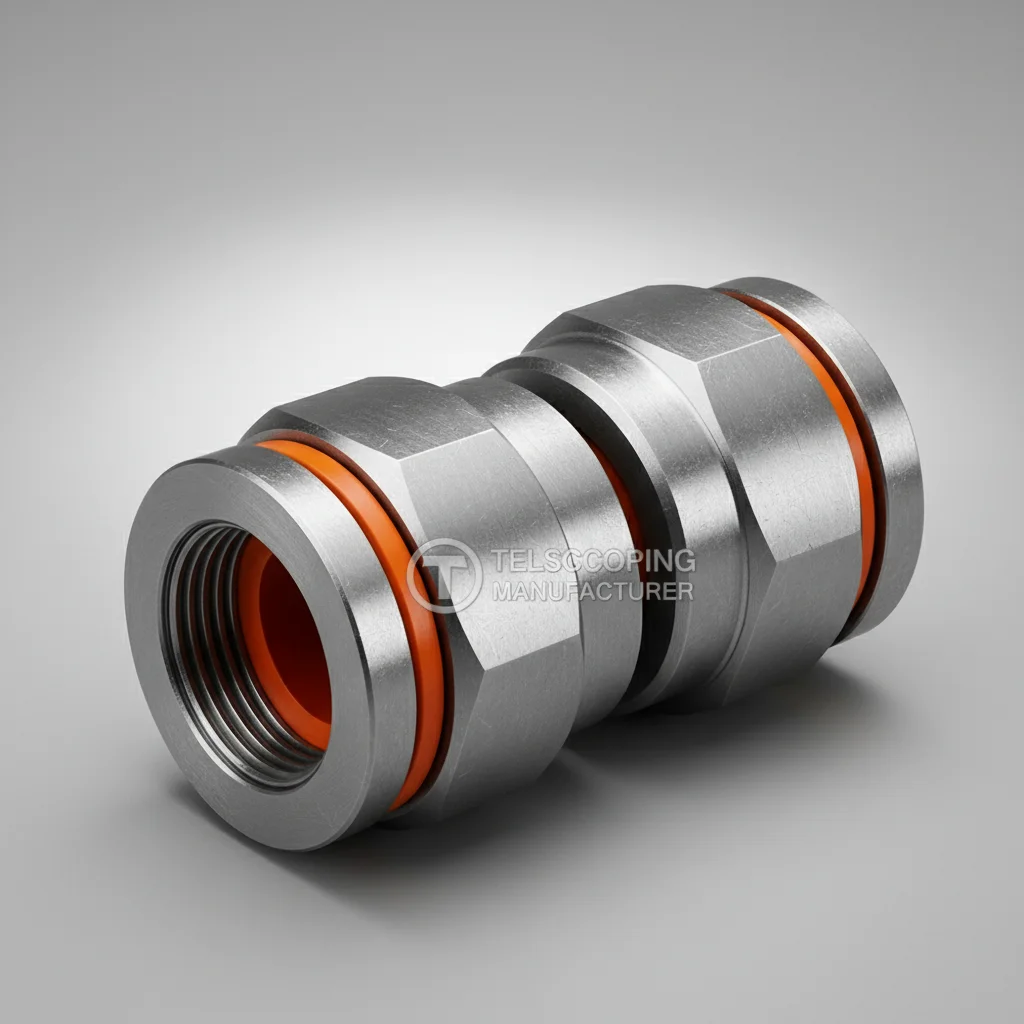
While our core expertise lies in providing high-performance self-sealing unions for fluid transmission systems, the broader context of pressure control often involves evaluating the OEM safety valve price to ensure the entire assembly is cost-effective. By integrating reliable self-sealing unions—which facilitate frequent disassembly and stable sealing—with correctly priced safety components, operators can achieve a seamless and secure pipeline architecture.

Global Market Dynamics of OEM safety valve price
The global demand for specialized drilling and mining equipment has led to a volatile market where the OEM safety valve price fluctuates based on raw material costs and geopolitical stability. According to industrial standards set by ISO and API, the precision required for these components means that manufacturing tolerances are incredibly tight, which inherently drives the cost upward compared to generic alternatives.
In regions like North America and the Middle East, the push for deeper exploration has increased the need for higher-pressure rated equipment. This surge in demand often creates a ripple effect on the OEM safety valve price, as manufacturers prioritize high-specification orders, leaving smaller operators to navigate a complex landscape of lead times and pricing tiers.
Defining the Value of OEM safety valve price
At its core, the OEM safety valve price represents more than just the cost of metal and machining; it is a premium paid for guaranteed performance and safety certification. In the context of oilfield services, an Original Equipment Manufacturer (OEM) provides a level of traceability and quality assurance that third-party clones cannot match, ensuring that the valve will actuate precisely at the set pressure.
When we discuss the value embedded in the OEM safety valve price, we are referring to the engineering hours spent on fluid dynamics simulation, metallurgy testing, and stress analysis. For a system employing self-sealing unions, the synergy between the valve and the connections is critical to prevent catastrophic leaks during high-pressure fluid transmission.
From a humanitarian and safety perspective, investing in a certified OEM product reduces the risk of environmental disasters and onsite accidents. While the initial OEM safety valve price may seem higher, the avoidance of a single blowout or pipeline rupture provides an ROI that far outweighs the initial capital expenditure.
Core Components Influencing OEM safety valve price
One of the primary drivers of the OEM safety valve price is the choice of metallurgy. High-chrome alloys and duplex stainless steels are often required to resist the corrosive nature of H2S and CO2 found in many wells, significantly increasing the raw material cost compared to standard carbon steel.
Precision machining and surface finishing also play a vital role in determining the OEM safety valve price. The internal seating surfaces must be polished to a mirror finish to ensure a bubble-tight seal, a process that requires advanced CNC technology and rigorous manual inspection to meet API standards.
Furthermore, the certification process—including hydrostatic testing and third-party validation—is baked into the OEM safety valve price. Each unit must undergo a series of pressure tests to verify its set-point and reseat pressure, providing the end-user with a certified document of compliance.
Technical Applications and OEM safety valve price
In practical applications, the integration of safety valves with drilling rig manifold assemblies is a common requirement. The efficiency of these systems often depends on how well the components are synchronized; for instance, using self-sealing unions allows for rapid adjustment of the manifold, while the safety valve ensures the system does not exceed its structural limits.
The correlation between application complexity and the OEM safety valve price is evident in deep-water drilling versus onshore operations. Offshore environments require higher corrosion resistance and more robust sealing mechanisms, leading to a specialized pricing tier that reflects the extreme conditions of the seabed.
Comparative Analysis of Pressure Component Cost Factors
Long-Term Value and Reliability Analysis
When assessing the long-term value of an OEM safety valve price, one must look at the maintenance intervals. OEM components are typically designed for a longer lifecycle, meaning fewer replacements and less unplanned downtime. This reliability is paramount when using self-sealing unions in systems that require frequent disassembly, as the consistency of the valve ensures the rest of the system remains under control.
Beyond the technical specs, there is an emotional component to choosing OEM parts: peace of mind. The trust that a component will perform its function during an emergency is an intangible benefit that justifies a higher OEM safety valve price. In the energy sector, this trust translates into safer work environments and a stronger corporate reputation for safety.
Future Trends in Pressure Control Pricing
The industry is currently seeing a shift toward "smart" valves equipped with IoT sensors that monitor pressure in real-time. This digital transformation is expected to change how we view the OEM safety valve price, moving from a one-time purchase cost to a service-based model where monitoring and predictive maintenance are included in the pricing package.
Sustainability is also playing a larger role, with manufacturers exploring additive manufacturing (3D printing) to reduce material waste. While the initial setup for these technologies is expensive, they may eventually lower the OEM safety valve price by optimizing the use of expensive alloys and reducing the need for extensive subtractive machining.
Moreover, as the world transitions toward green hydrogen and carbon capture, the requirements for valves are evolving. These new fluids require different sealing materials and metallurgy, which will likely create new pricing benchmarks for the OEM safety valve price in the coming decade.
Challenges in Optimizing OEM safety valve price
One of the most significant challenges is the global supply chain instability, which can cause the OEM safety valve price to spike overnight. Lead times for specialized forgings have increased, forcing companies to hold more inventory, which increases carrying costs and complicates budget forecasting.
Another hurdle is the proliferation of "gray market" parts that mimic OEM specifications but lack the necessary testing. The challenge for procurement officers is to distinguish between a genuine value-engineered solution and a dangerous imitation, especially when the price gap is significant.
The solution lies in establishing direct partnerships with trusted manufacturers. By securing long-term agreements, companies can stabilize their OEM safety valve price and ensure a steady supply of critical components like API flanges and rotary drilling hoses, creating a more resilient operational ecosystem.
Analysis of Cost-Benefit Dimensions for Pressure Control Components
| Component Type |
Price Index (1-10) |
Reliability Rating |
Maintenance Cycle |
| Standard OEM Valve |
6 |
High |
24 Months |
| High-Pressure Alloy Valve |
9 |
Very High |
36 Months |
| Generic Aftermarket Valve |
3 |
Low |
6 Months |
| Self-Sealing Union (Set) |
5 |
High |
12 Months |
| Smart IoT Safety Valve |
10 |
Exceptional |
Predictive |
| API Flange Assembly |
4 |
High |
48 Months |
FAQS
The most significant factors include the grade of metallurgy (e.g., Duplex vs. Carbon Steel), the precision of the machining for the seat, and the cost of API certification and pressure testing. Higher-spec materials and rigorous testing protocols naturally increase the price to ensure operational safety.
Yes, because OEM parts offer guaranteed traceability, material certification, and predictable performance. In high-pressure fluid systems, the risk of failure with a non-certified part can lead to catastrophic leaks or explosions, making the OEM premium a necessary insurance policy for your assets.
Self-sealing unions provide the necessary flexibility and stability for pipeline connections, allowing for easy disassembly. When paired with high-quality safety valves, they create a modular system that is both easy to maintain and secure under pressure.
Given the volatility of raw material costs (like nickel and chrome) and shipping logistics, we recommend a quarterly review of your procurement contracts. This allows you to lock in pricing during market dips and plan budgets more accurately.
Focusing on the total cost of ownership rather than the initial price is key. Choosing higher-grade OEM valves with longer maintenance intervals and integrating them with durable components like our self-sealing unions reduces the frequency of replacements and downtime.
Absolutely. The process of API certification involves strict audits of the manufacturing process and rigorous testing of the final product. These administrative and technical overheads are integrated into the final price to guarantee global standard compliance.
Conclusion
Navigating the complexities of the OEM safety valve price requires a balance between immediate budgetary constraints and the long-term necessity of operational safety. By understanding the drivers of cost—from metallurgy to certification—and pairing these valves with high-quality self-sealing unions, operators can build fluid transmission systems that are both efficient and exceptionally reliable.
Looking ahead, the integration of smart technology and sustainable manufacturing will likely redefine how we evaluate value in pressure control components. We encourage procurement managers to prioritize certified OEM parts to ensure the highest safety standards and long-term asset protection. Visit our website for more professional solutions: www.hrzzparts.com