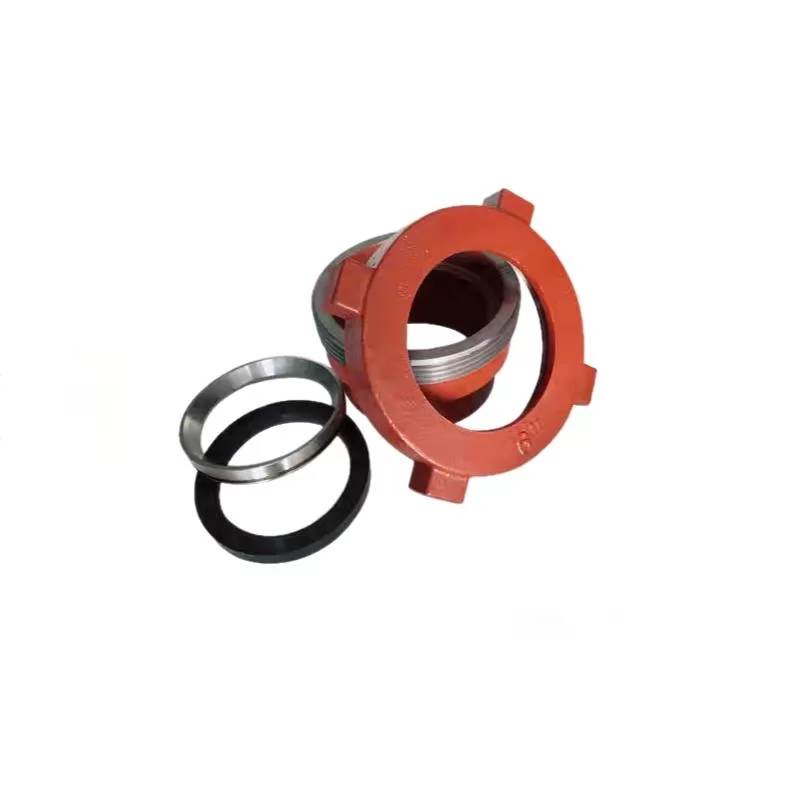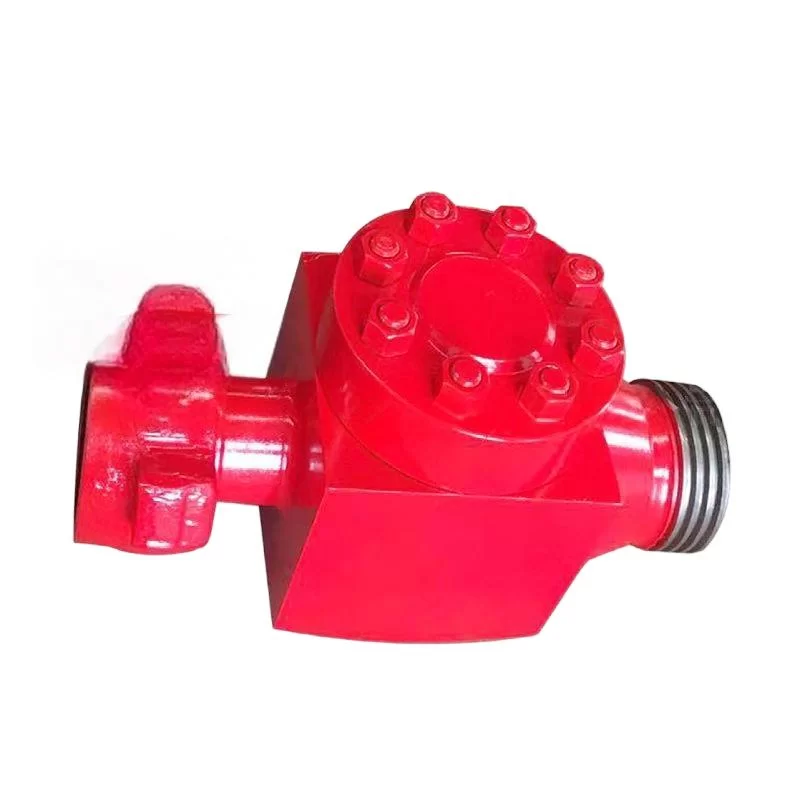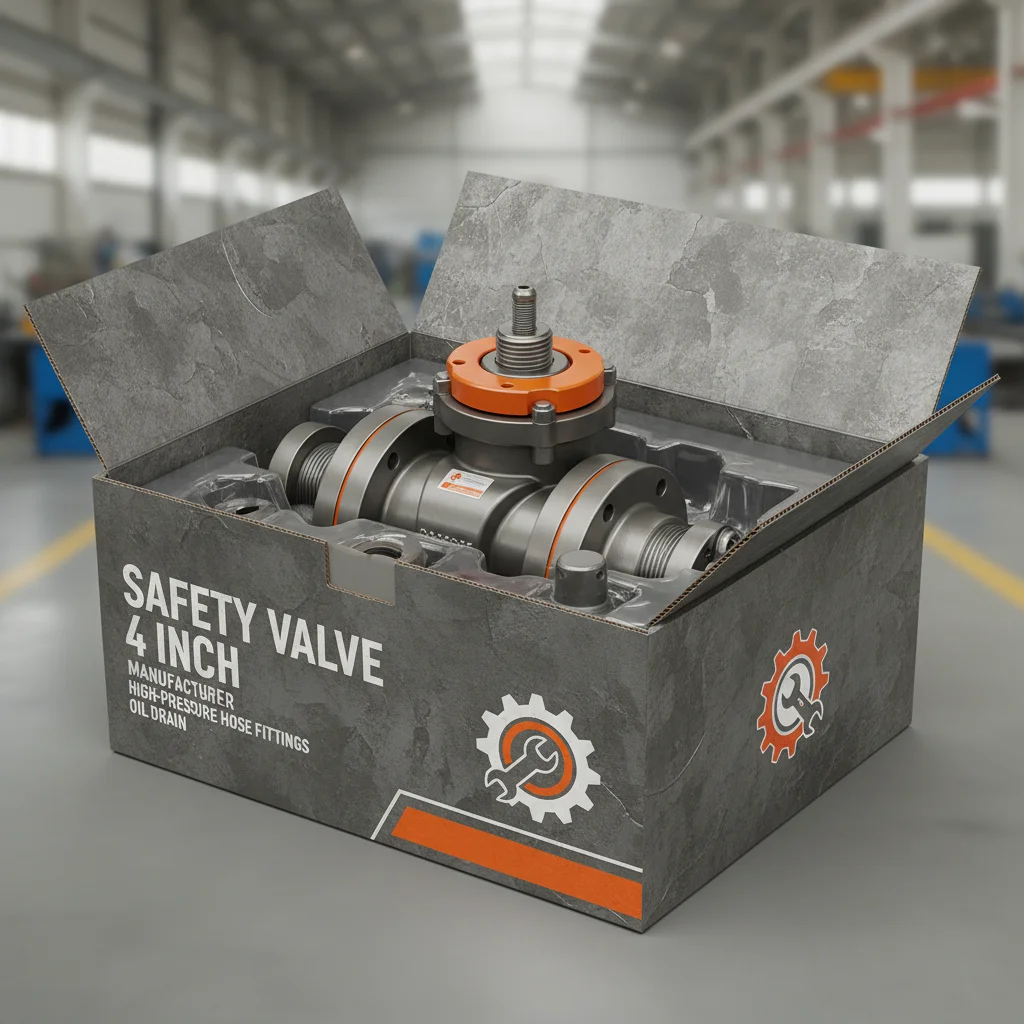
In modern oil and gas production, flow control reliability directly affects safety, efficiency, and operational continuity. Among the many components used in surface and downhole systems, plug valves and related assemblies play a critical role. From detailed plug valve drawing designs to fully assembled plug valve manifold systems, these components are widely applied across drilling, production, and pressure-control operations.
As part of essential Petroleum Machinery Parts, oilfield valves must perform under extreme pressure, temperature fluctuations, and corrosive environments. This article explores the design, function, and application of plug valves and other oilfield valves, highlighting how pneumatic actuation and integrated manifolds improve control and reliability in demanding oilfield conditions.
Plug Valve Drawing and Plug Valve Manifold Design in Oilfield Valves
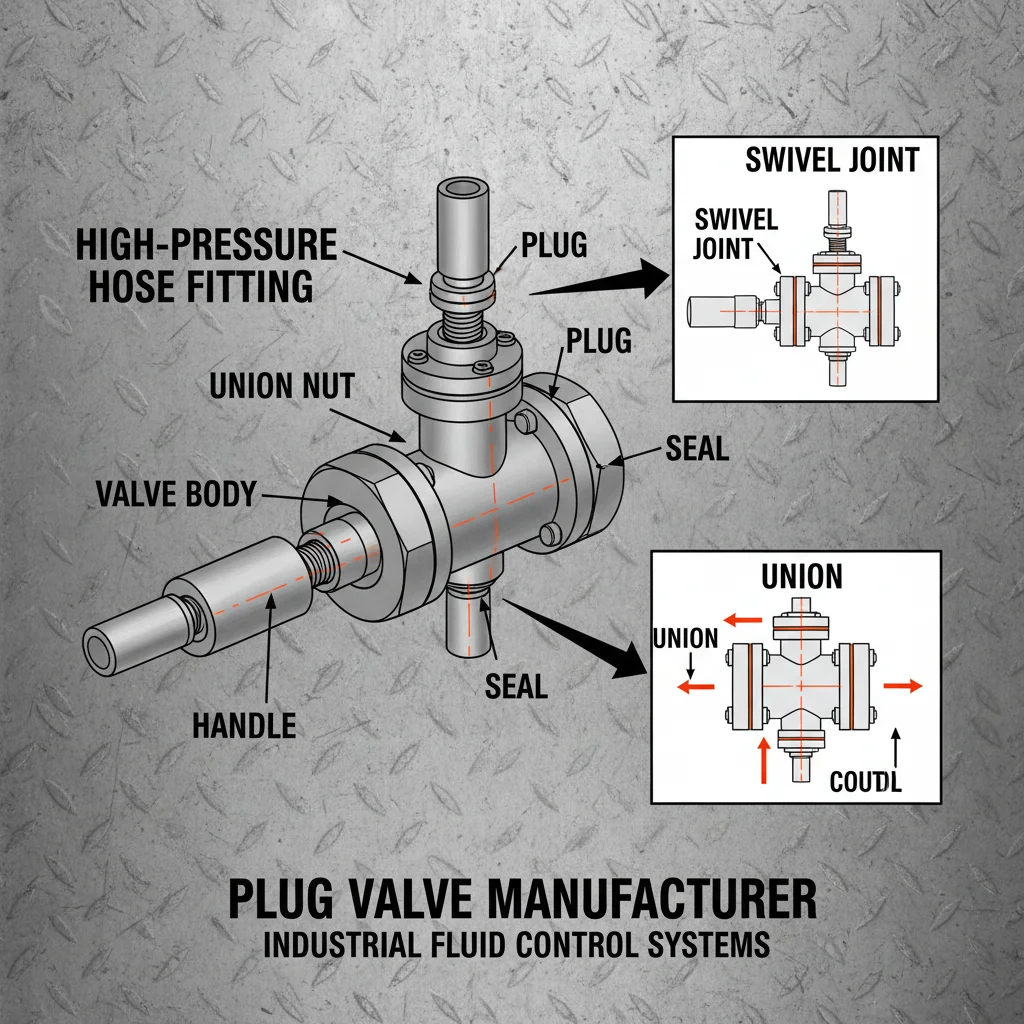
A precise plug valve drawing is the foundation of high-performance valve manufacturing. It defines the internal flow path, sealing surfaces, material thickness, and tolerance requirements that ensure reliable operation under high pressure. In oilfield applications, even minor deviations in design can lead to leakage, excessive wear, or operational failure.
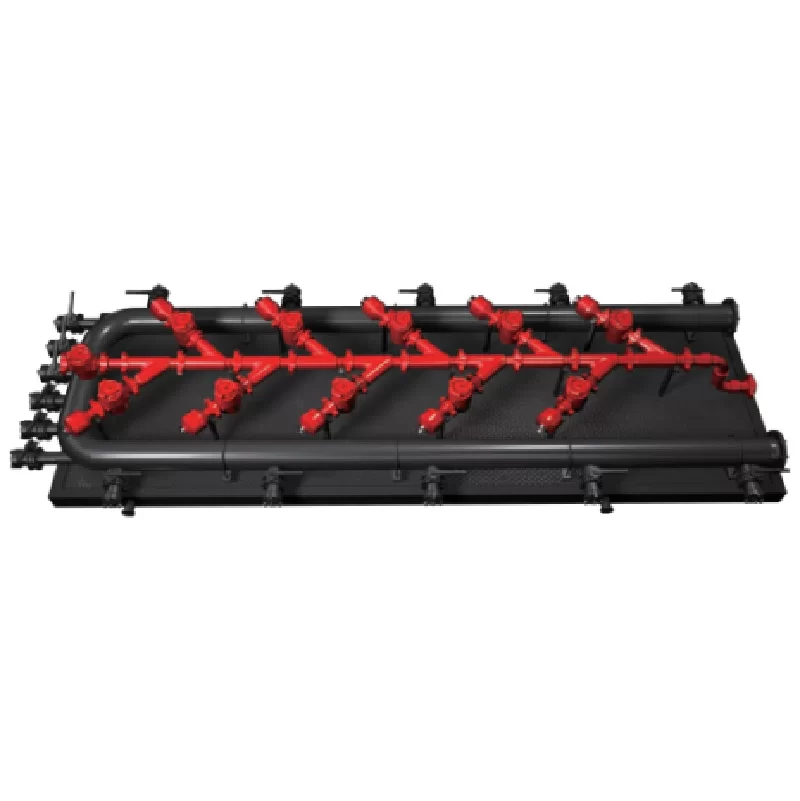
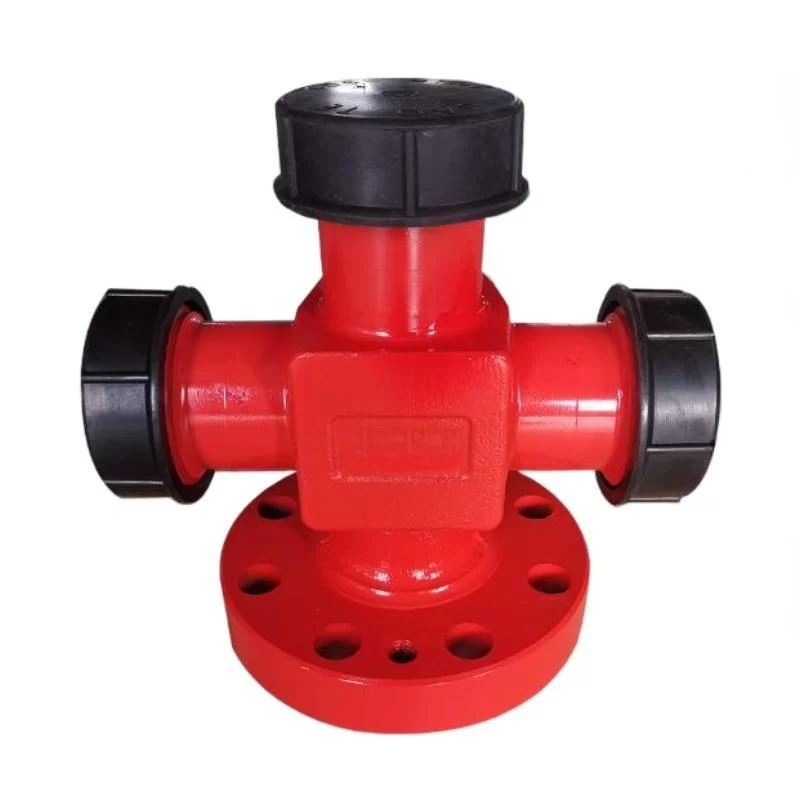
The plug valve manifold is an integrated system that combines multiple plug valves into a single pressure-control assembly. These manifolds are commonly used in well testing, fracturing, cementing, and production flowlines. By consolidating multiple flow paths into one unit, a plug valve manifold reduces installation space, minimizes connection points, and enhances overall system safety.
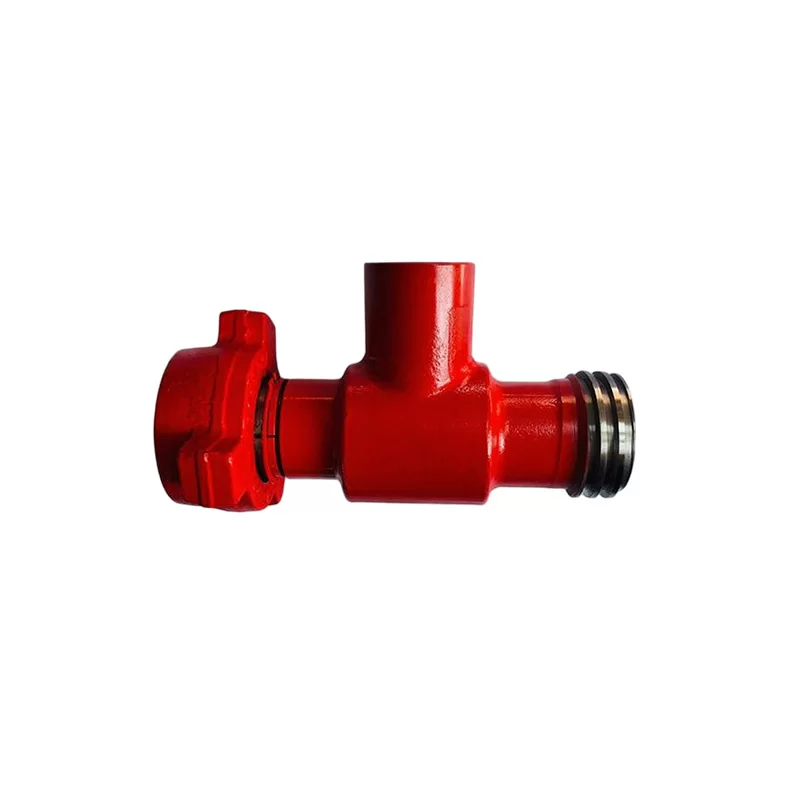
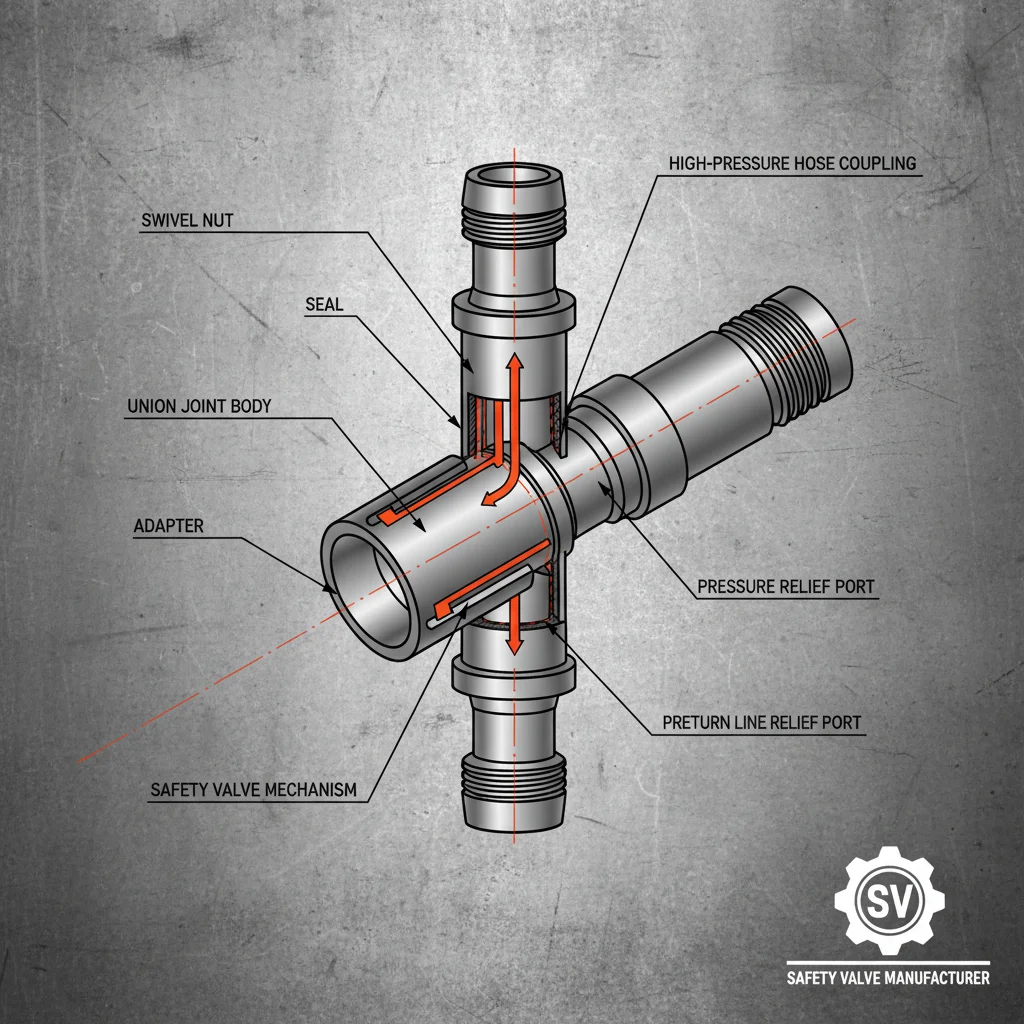
Within a manifold, plug valves often work alongside other oilfield valves such as choke valves and safety valves. Their simple quarter-turn operation allows for fast opening and closing, making them ideal for emergency shut-off and flow direction control. The internal plug design also provides a tight seal, even in abrasive or high-solids media.
Another important component is the oilfield plug valve bar, which connects or supports multiple plug valves within a manifold structure. This bar enhances mechanical stability and ensures uniform alignment, especially in high-pressure systems where vibration and thermal expansion are common.
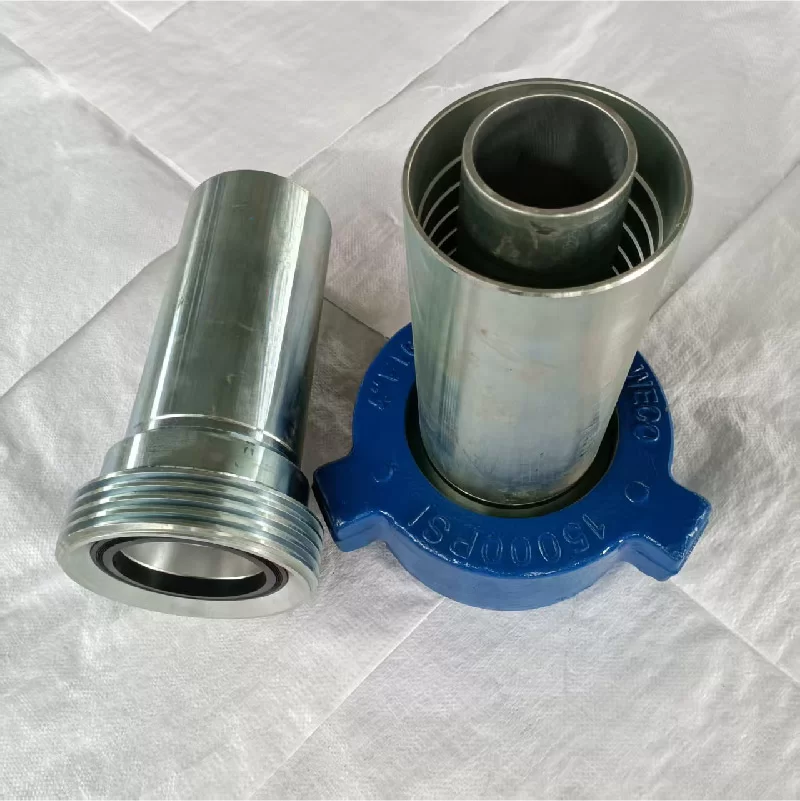
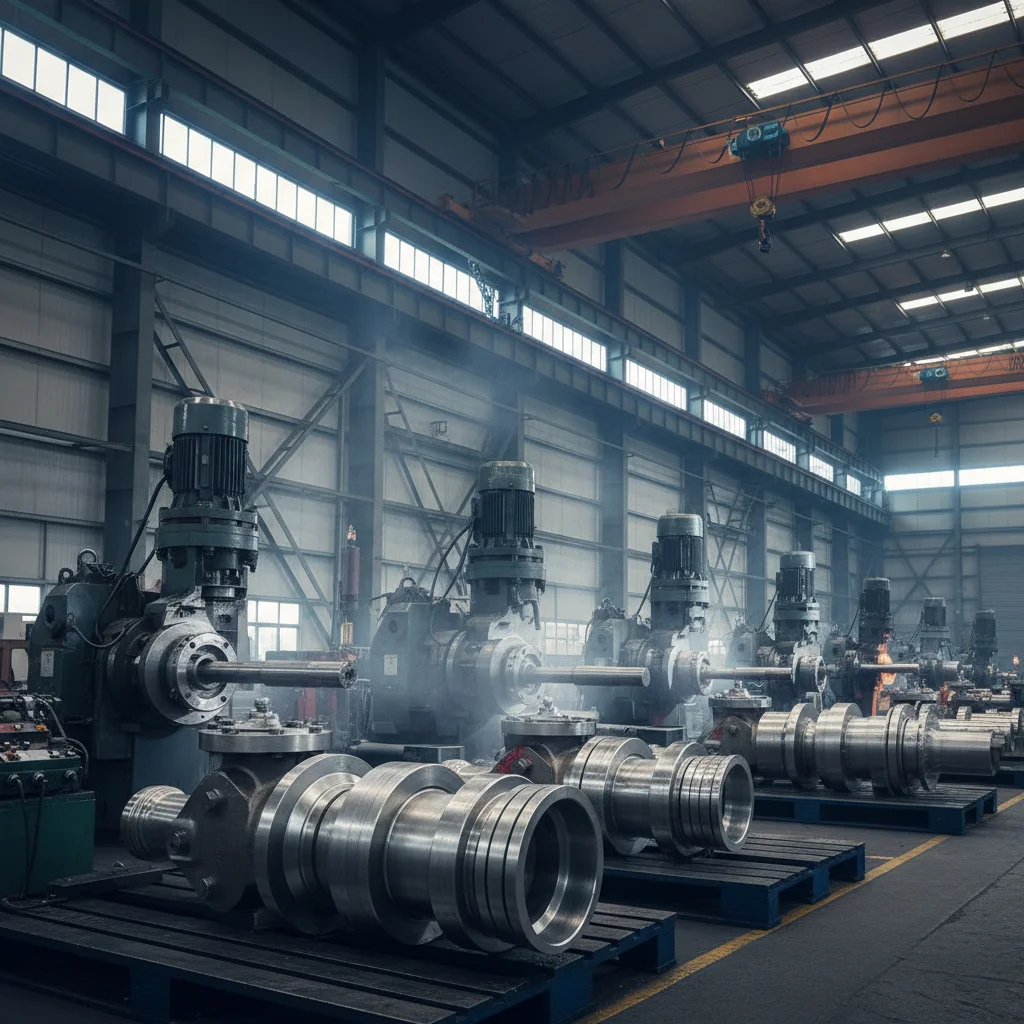
As part of critical Petroleum Machinery Parts, plug valve systems must comply with strict industry standards. High-strength alloy steels, precision machining, and rigorous pressure testing are essential to ensure long service life and dependable performance in oilfield environments.
Pneumatic Plug Valve and Oilfield Back Pressure Valve Applications
Automation has become increasingly important in oilfield operations, leading to widespread use of the pneumatic plug valve. By using compressed air as the actuation source, pneumatic plug valves allow for remote operation, fast response times, and improved safety. They are particularly valuable in hazardous environments where manual operation may pose risks to personnel.
A pneumatic plug valve is often integrated into a plug valve manifold to enable centralized control of multiple flow paths. This setup improves operational efficiency and allows precise flow management during drilling, testing, and production processes. Pneumatic actuation also reduces operator fatigue and ensures consistent valve positioning.
In pressure management systems, the oilfield back pressure valve plays a crucial role. It maintains a preset pressure level within the system, preventing sudden pressure drops that could damage equipment or disrupt production. Back pressure valves are commonly used in well testing and production flowlines to stabilize system performance.
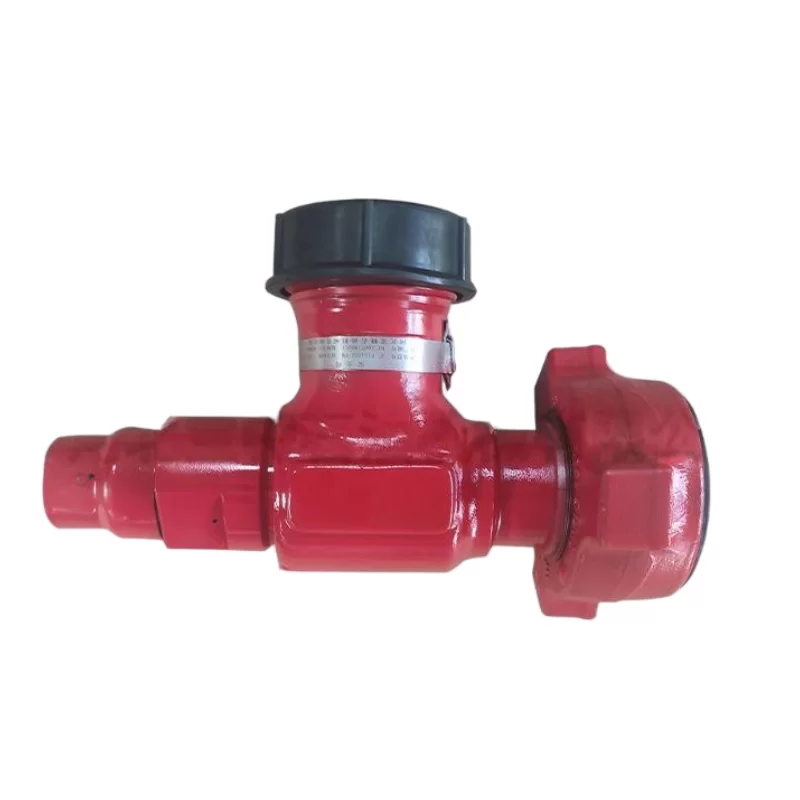
To prevent reverse flow and protect upstream equipment, the oilfield check valve is another essential component. Installed alongside plug valves and manifolds, check valves ensure one-directional flow, reducing the risk of contamination or pressure surges.
For isolation and shut-in operations, the oilfield gate valve is widely used. While gate valves are typically slower to operate than plug valves, they provide full-bore flow and minimal pressure loss when fully open. In many systems, gate valves and plug valves work together to balance fast response and long-term isolation needs.
All these oilfield valves—including plug, check, gate, and back pressure valves—form an integrated pressure-control system. When designed and installed correctly, they enhance safety, improve flow efficiency, and extend the lifespan of critical Petroleum Machinery Parts.
Reliable flow control is the backbone of safe and efficient oilfield operations. From detailed plug valve drawing specifications to fully assembled plug valve manifold systems, plug valves play a vital role in managing high-pressure fluids. Their integration with pneumatic plug valve technology allows for automation, faster response, and improved operational safety.
When combined with complementary oilfield valves such as the oilfield back pressure valve, oilfield check valve, and oilfield gate valve, plug valve systems deliver comprehensive pressure and flow control. As essential Petroleum Machinery Parts, these components are indispensable for modern oil and gas production, ensuring reliability even in the most demanding environments.
FAQ: Plug Valve Manifold and Oilfield Valves
1. What is the purpose of a plug valve drawing?
A plug valve drawing provides detailed design specifications, including dimensions, materials, and sealing structures, ensuring the valve meets performance and safety requirements.
2. How does a plug valve manifold improve oilfield operations?
A plug valve manifold integrates multiple valves into a single assembly, reducing installation space, minimizing leak points, and improving flow control efficiency.
3. What are the advantages of a pneumatic plug valve?
A pneumatic plug valve enables remote and automated operation, fast response times, and enhanced safety in high-risk oilfield environments.
4. Why is an oilfield back pressure valve important?
An oilfield back pressure valve maintains stable system pressure, preventing sudden drops that could damage equipment or disrupt production.
5. How do oilfield check valve and oilfield gate valve differ in function?
An oilfield check valve prevents reverse flow automatically, while an oilfield gate valve provides manual isolation with full-bore flow when open.