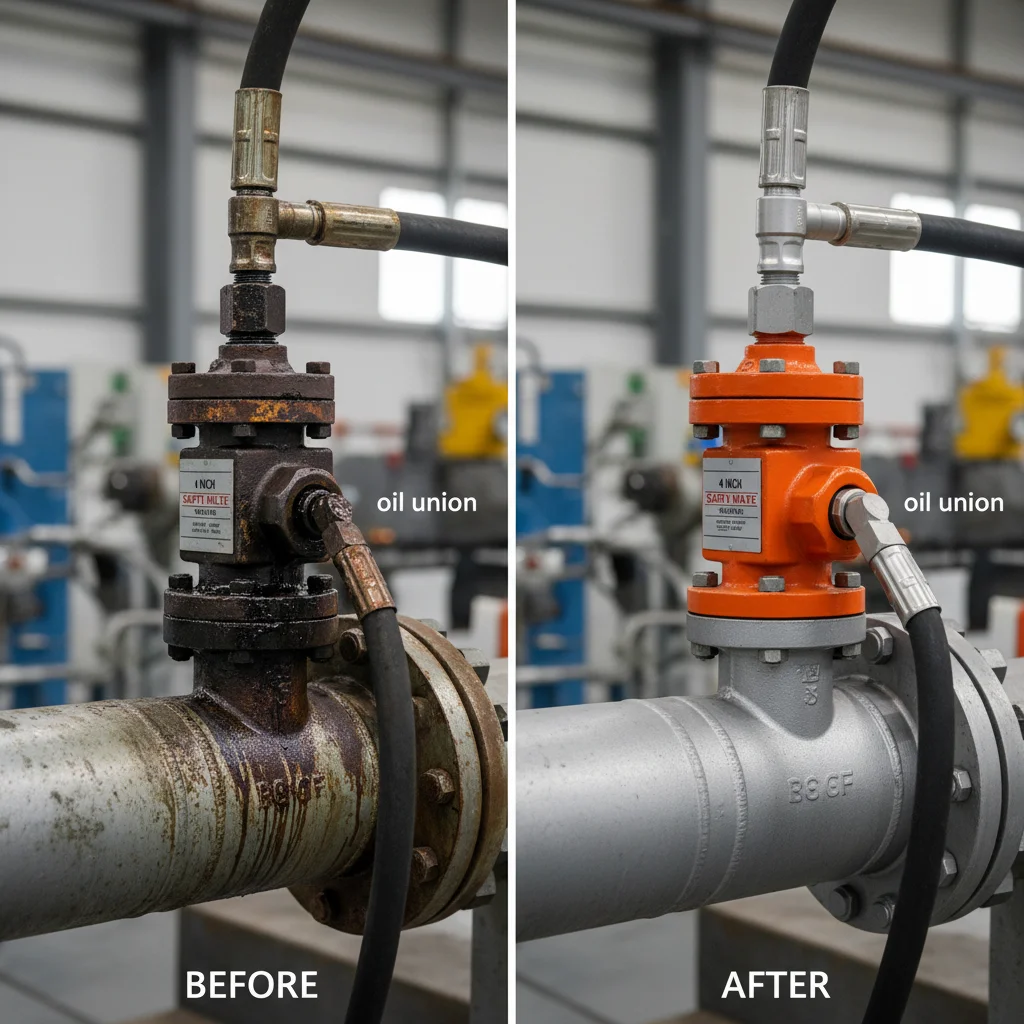
Choosing the Right Plug Valve Manufacturer for Industrial Excellence
In the demanding world of industrial fluid control, the integrity of your piping system depends heavily on the quality of your valves. Finding a reliable plug valve Manufacturer is not just about purchasing a component; it is about securing long-term operational efficiency and safety. Plug valves are renowned for their tight sealing capabilities and durability, making them indispensable in oil, gas, and chemical processing. Whether you are dealing with corrosive slurries or high-pressure gases, the precision of the manufacturing process determines the lifespan of the valve. In this guide, we will explore the critical factors in selecting a partner and how professional engineering ensures zero-leakage performance.
The Core Engineering of a Premium Plug Valve
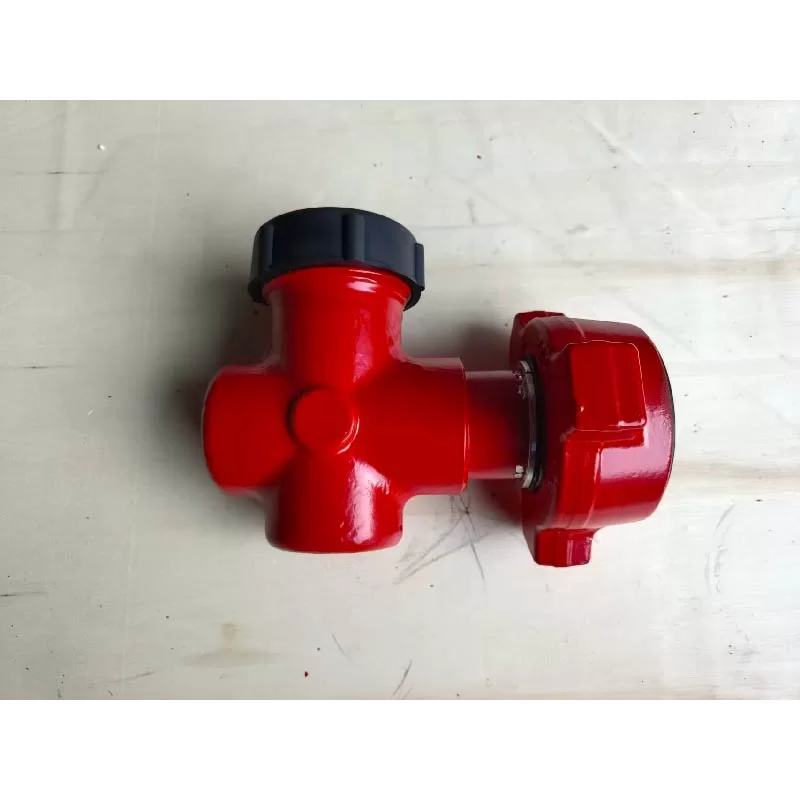
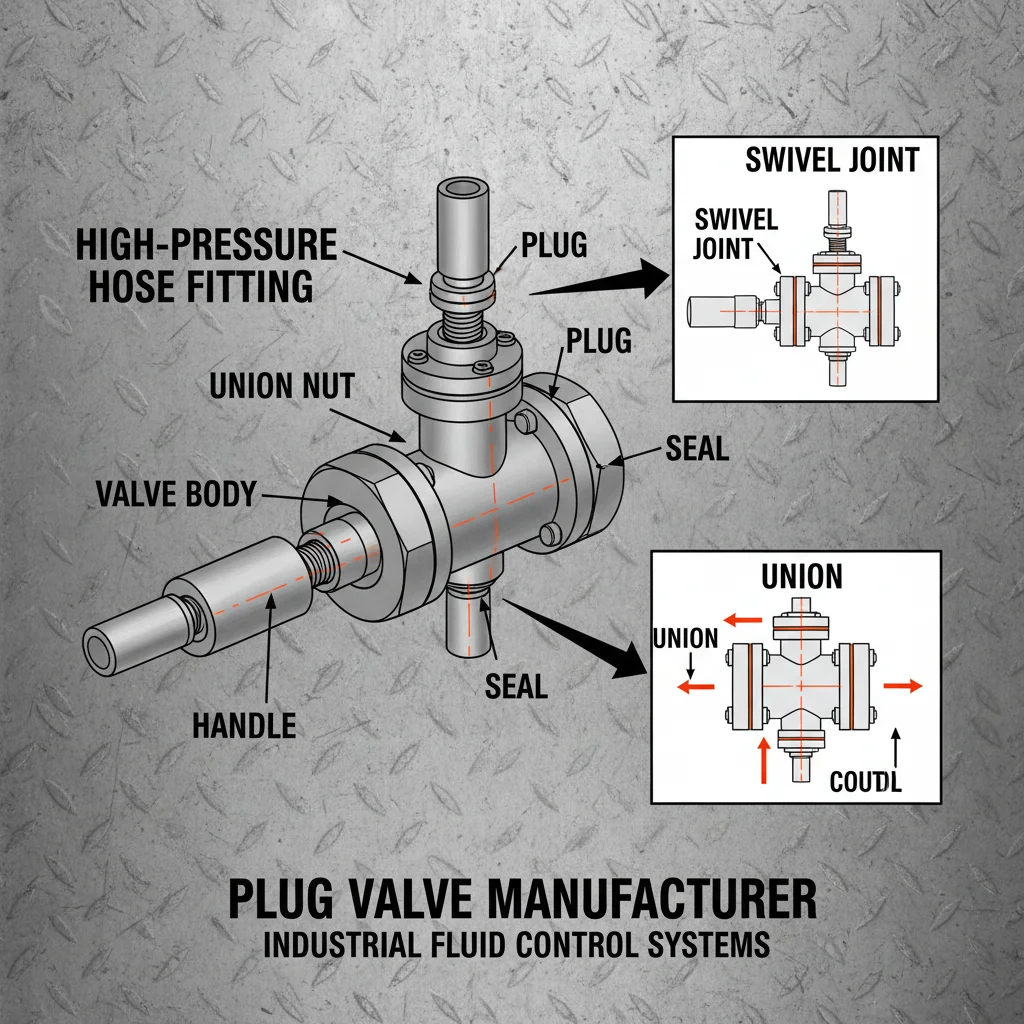
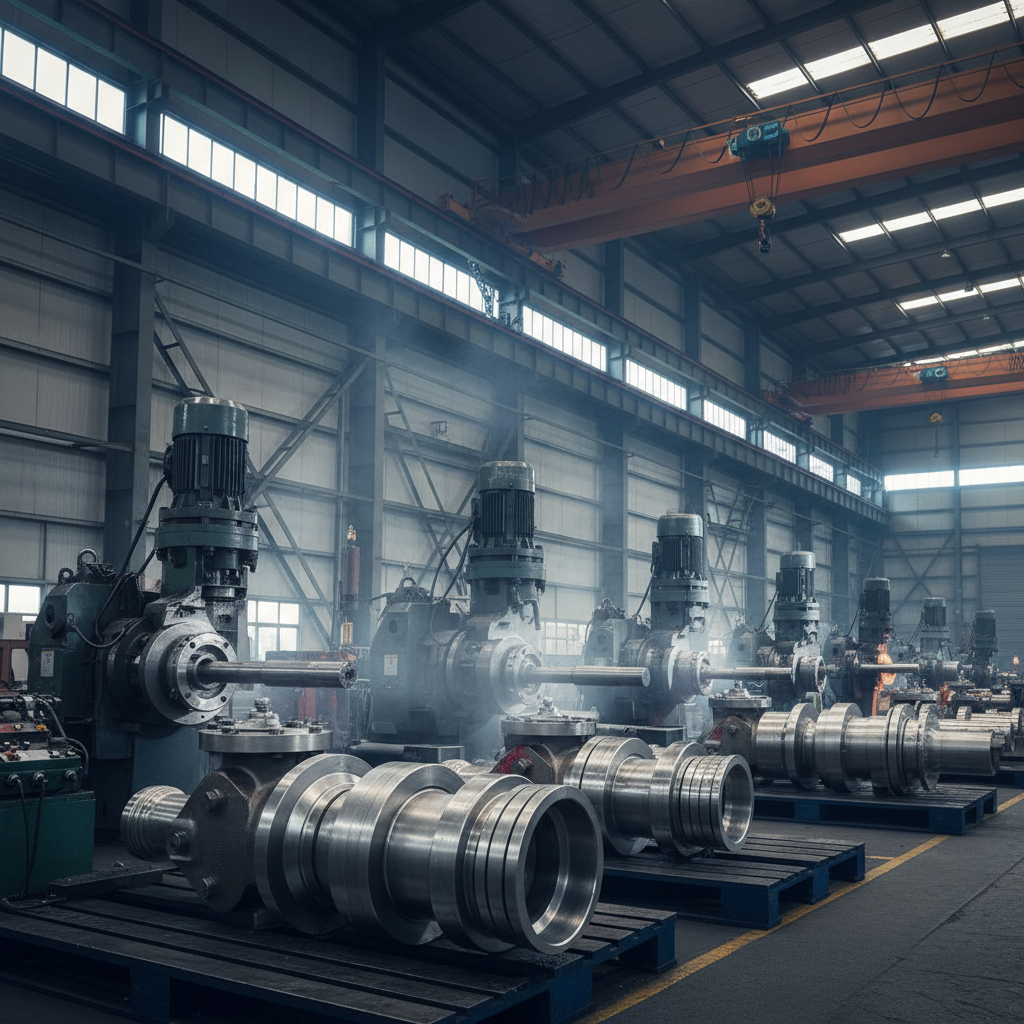
A high-quality plug valve is characterized by its simple yet robust design. Unlike ball valves, the plug is typically tapered or cylindrical, providing a direct flow path that minimizes pressure drop. A professional plug valve Manufacturer focuses on the precision grinding of the plug surfaces and the selection of high-grade lubricants to reduce friction. This ensures that the valve can be operated smoothly even after long periods of inactivity. The use of advanced materials like stainless steel, carbon steel, or specialized alloys allows these valves to withstand extreme temperature fluctuations and aggressive chemical environments, ensuring that your plant maintains maximum uptime.
Technical Insight: The tight seal in a plug valve is achieved through the precise fit between the plug and the body, often enhanced by PTFE or other soft seats to prevent leakage in critical shut-off applications.
Comparing Plug Valve Types from a Leading Manufacturer
Not all plug valves are created equal. Depending on the application, you may require a lubricated or a non-lubricated design. A versatile plug valve Manufacturer provides options that balance ease of maintenance with sealing performance. Lubricated valves are ideal for high-pressure services where the lubricant acts as a seal and a lubricant, while non-lubricated (soft-seated) valves are preferred for applications where contamination from lubricants must be avoided. Understanding these differences is key to optimizing your system's flow dynamics and reducing long-term maintenance costs.
| Feature | Lubricated Plug Valve | Non-Lubricated (Soft Seat) |
|---|---|---|
| Sealing Mechanism | Grease/Lubricant Film | PTFE/Polymer Lining |
| Maintenance | Requires Periodic Regreasing | Low Maintenance |
| Pressure Rating | Very High | Moderate to High |
| Best Use Case | Heavy Slurries / High Pressure | Pure Chemicals / Clean Media |
Key Quality Indicators from your Plug Valve Manufacturer
When auditing a plug valve Manufacturer, certain quality benchmarks are non-negotiable. First, look for certifications such as ISO 9001 or API standards, which guarantee a standardized production process. Second, evaluate their testing protocols. Every valve should undergo rigorous pressure testing—including shell and seat tests—to ensure there are no microscopic leaks. A commitment to quality control not only prevents on-site failures but also significantly reduces the total cost of ownership by extending the interval between replacements. Precision machining and strict tolerance control are what separate a world-class manufacturer from a generic supplier.
Material Selection and Durability Standards
The environment in which a valve operates determines the materials a plug valve Manufacturer must use. For instance, in seawater applications, duplex stainless steel is often the gold standard due to its resistance to pitting and crevice corrosion. In contrast, for high-temperature steam, carbon steel with specialized coatings is more appropriate. The internal trim materials are equally important; hard-facing options like Stellite are used to prevent erosion in high-velocity flow conditions. By selecting the correct material pairing, manufacturers ensure that the valve maintains its structural integrity and sealing efficiency throughout its entire service life.
Standard Product Specifications for Industrial Plug Valves
To provide transparency and ease of integration, a professional plug valve Manufacturer provides detailed specification sheets. This allows engineers to match the valve's performance characteristics with the pipeline's requirements. From the connection type (flanged, threaded, or socket weld) to the actuation method (manual, pneumatic, or electric), every detail matters. Below is a typical specification table for a high-performance industrial plug valve series.
| Parameter | Technical Specification |
|---|---|
| Size Range | DN15 to DN600 (1/2" to 24") |
| Pressure Class | ANSI Class 150, 300, 600, 900 |
| Body Material | ASTM A216 WCB, A351 CF8M, A479 |
| Temperature Range | -29°C to +250°C (Depending on Seal) |
| End Connections | RF Flanged, RTJ, NPT Threaded |
Conclusion: Partnering with a Professional Plug Valve Manufacturer
Selecting the right plug valve Manufacturer is a critical decision that impacts the safety, efficiency, and profitability of your industrial operations. By focusing on material science, precise engineering, and rigorous testing, you can ensure that your fluid control systems operate without failure. Whether you need lubricated valves for high-pressure slurries or soft-seated valves for chemical purity, the key is to partner with a manufacturer that prioritizes quality and transparency. Invest in precision today to avoid costly downtime tomorrow.
Frequently Asked Questions (FAQs)
How often should a lubricated plug valve be maintained?
The maintenance frequency for a lubricated plug valve depends on the cycle rate and the nature of the medium being transported. In high-cycle environments, regreasing may be required monthly, whereas in low-cycle applications, it could be semi-annually. A professional plug valve Manufacturer typically provides a lubrication schedule based on the specific operating conditions to ensure the seal remains intact and the torque required for operation remains low.
What are the primary advantages of a plug valve over a ball valve?
Plug valves often offer a tighter seal and are more resistant to wear in slurry or abrasive media compared to ball valves. Because the plug can be designed with a more robust sealing surface and the option for external lubrication, they are often preferred in heavy-duty industrial applications where leak-free shut-off is critical and the medium is "dirty" or corrosive. Additionally, their simple 90-degree turn provides quick operation similar to ball valves but often with greater longevity in harsh environments.
Can plug valves be automated?
Absolutely. Most modern plug valves are designed to be compatible with various automation systems. A leading plug valve Manufacturer offers valves with mounting pads for pneumatic actuators, electric motors, or hydraulic systems. Automation is particularly beneficial in large-scale plants where remote operation is necessary for safety or efficiency, allowing operators to control flow from a centralized control room.
How do I know which material to choose for my plug valve?
Material selection depends on three main factors: the chemical composition of the medium, the operating temperature, and the system pressure. For general purpose use, carbon steel is common. For corrosive environments, stainless steel (316) or Hastelloy is recommended. We suggest providing your medium's MSDS (Material Safety Data Sheet) to your manufacturer, as they can use chemical compatibility charts to ensure the valve body and seals will not degrade over time.