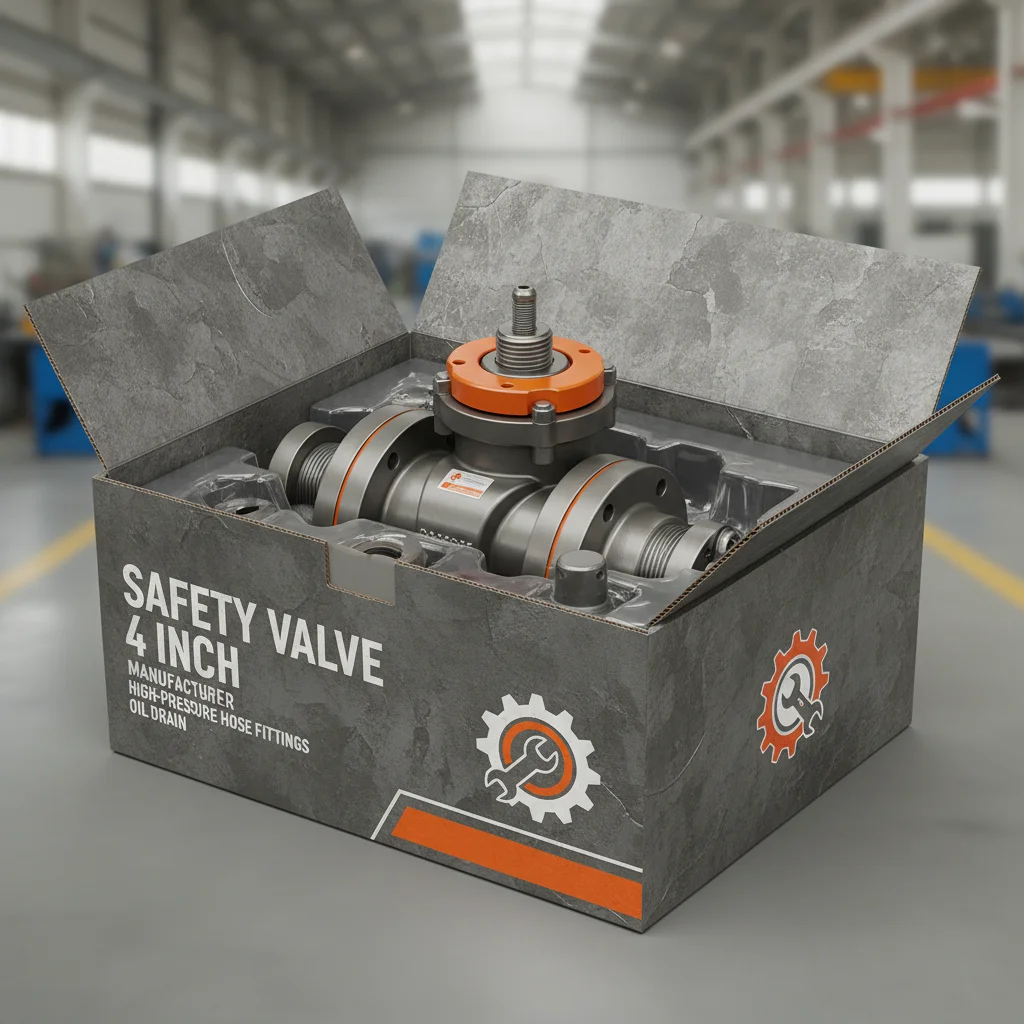
In today’s oil and gas industry, pipeline systems must handle higher pressures, complex layouts, and diverse operating conditions. Standardized components alone are no longer sufficient to meet these challenges. As a result, customized connection solutions such as the Variable Diameter Customization union Short Joint have become essential in modern oilfield infrastructure. These joints provide flexibility, safety, and compatibility across different pipeline sizes while maintaining full compliance with API standards.
By combining precision engineering with customizable dimensions, oilfield operators can ensure smooth transitions between pipelines, reduce stress concentrations, and enhance overall system reliability. This article explores the role of customized union short joints, insulating joints, and API-standard T-joints in advanced oilfield applications.
Variable Diameter Customization Union Short Joint and Custom Api Oilfield Joint Union Applications
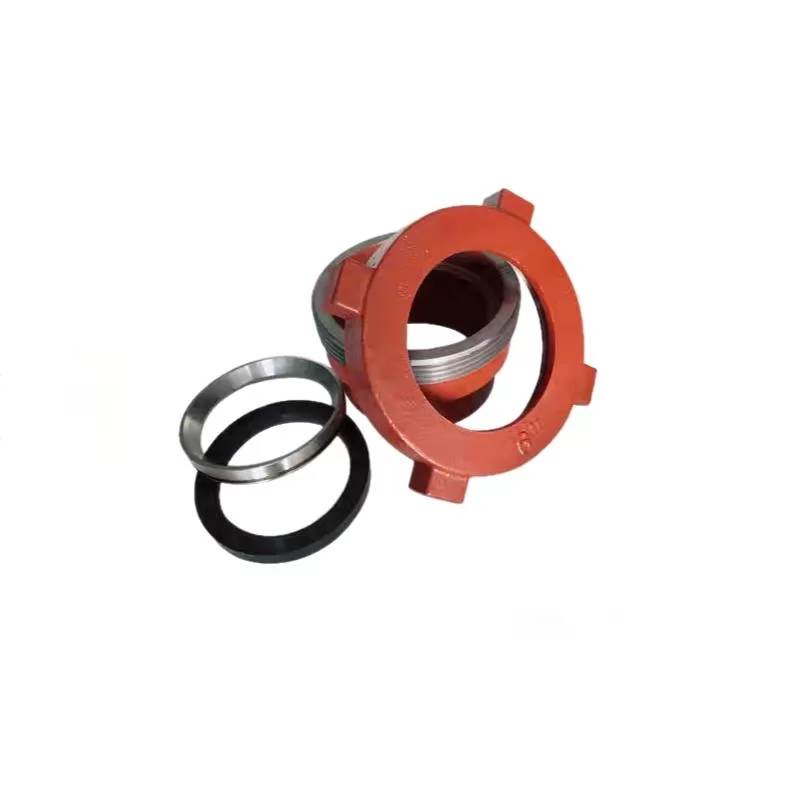
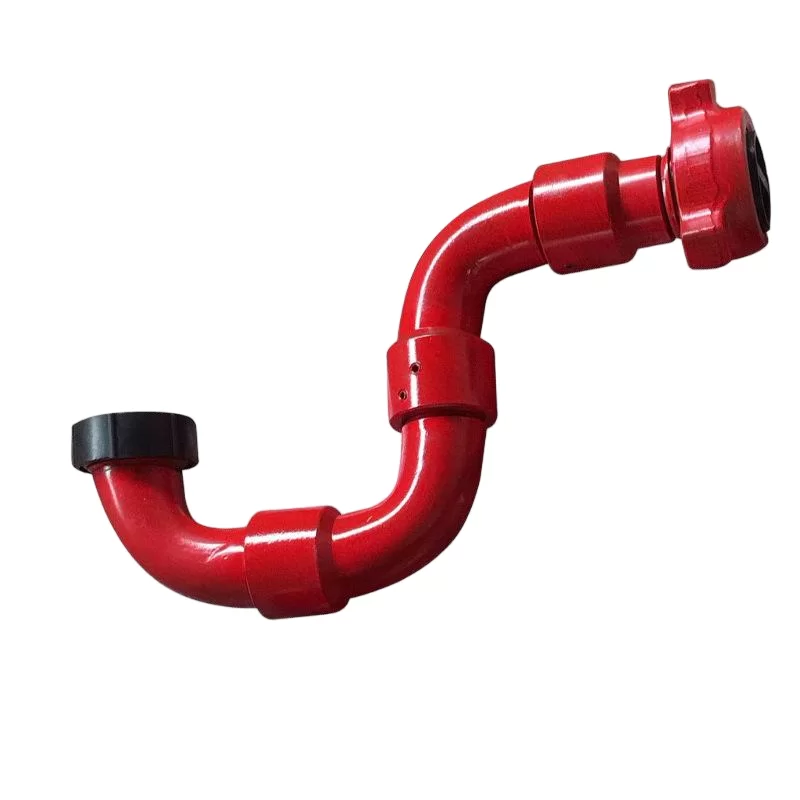
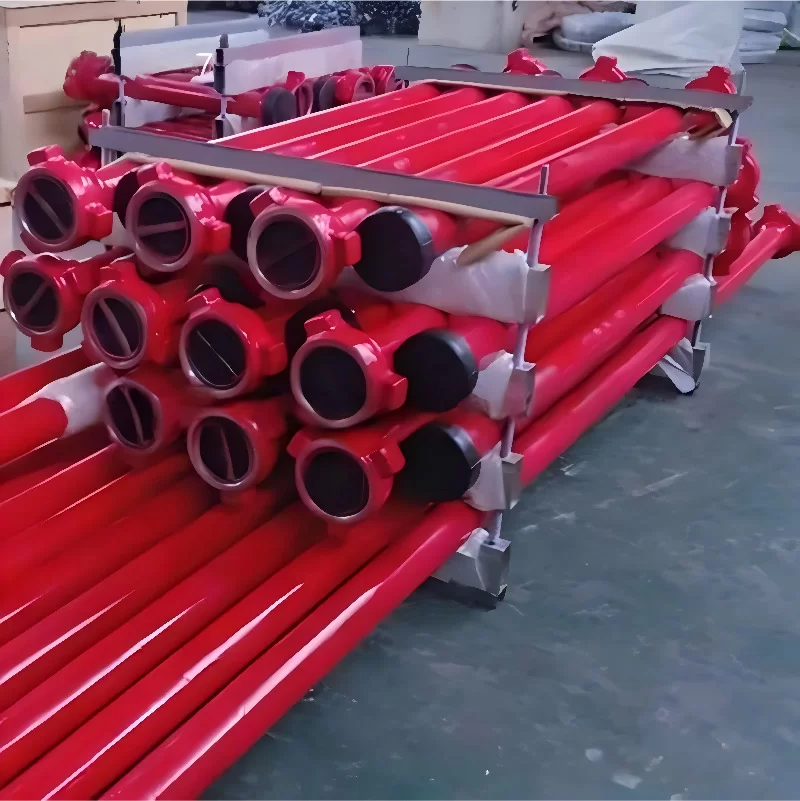
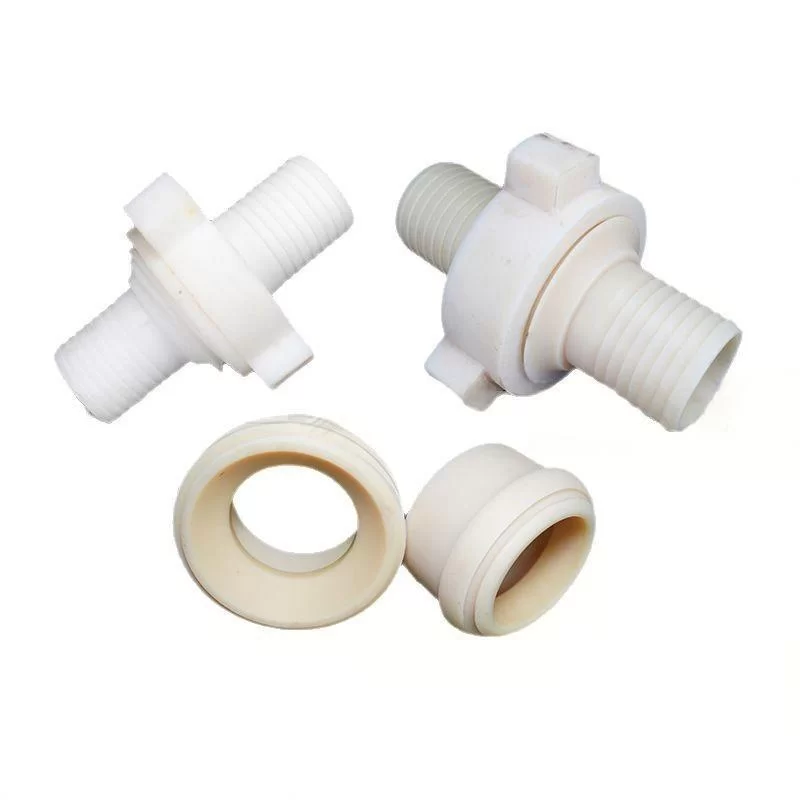
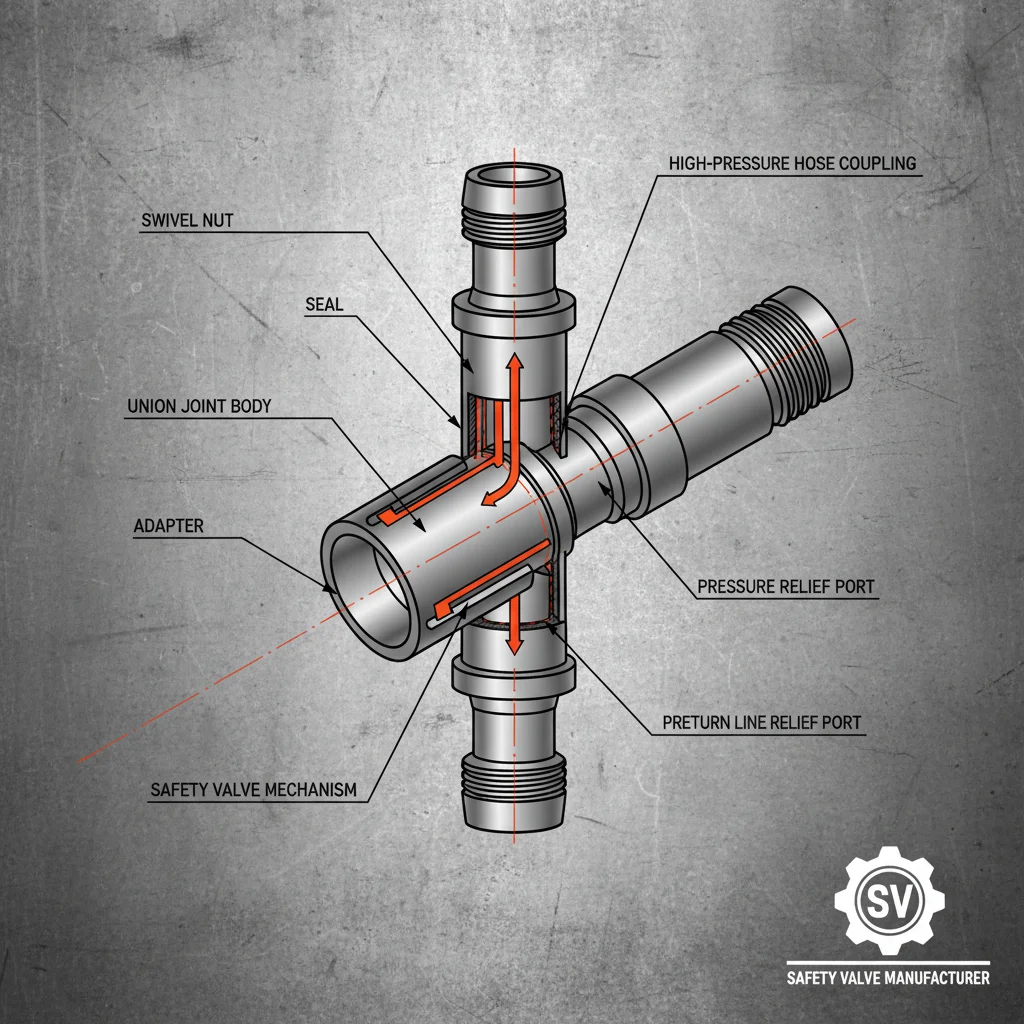
The Variable Diameter Customization union Short Joint is designed to connect pipelines or equipment with different diameters while maintaining pressure integrity. Unlike conventional fittings, this type of joint is tailored to specific project requirements, allowing for seamless integration into complex oilfield systems. Such customization is especially valuable in retrofitting projects, temporary flowlines, and multi-diameter manifold systems.
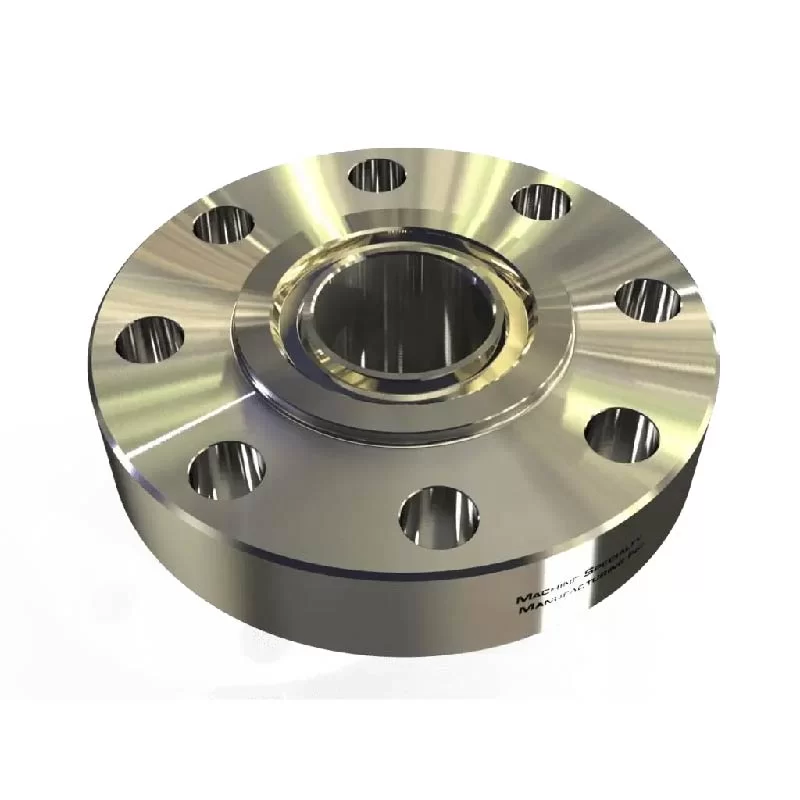
A Custom Api Oilfield Joint union ensures that even customized designs meet strict API specifications. Compliance with API standards guarantees that the joint can withstand high pressure, temperature fluctuations, and corrosive environments commonly found in oilfield operations. This makes customized unions suitable for drilling, production, cementing, and well testing applications.
Another widely used configuration is the Union Short Joint Variable Diameter, which offers compact length and adaptability. Its short overall structure reduces space requirements while still providing a reliable transition between different pipe sizes. This is particularly beneficial in confined installations such as skid-mounted equipment or wellhead assemblies.
The Union Variable Diameter union concept further enhances system flexibility. By allowing diameter variation within a single joint, operators can reduce the number of connection points, minimizing potential leak paths and simplifying installation. Fewer connections also mean reduced maintenance requirements and improved long-term reliability.
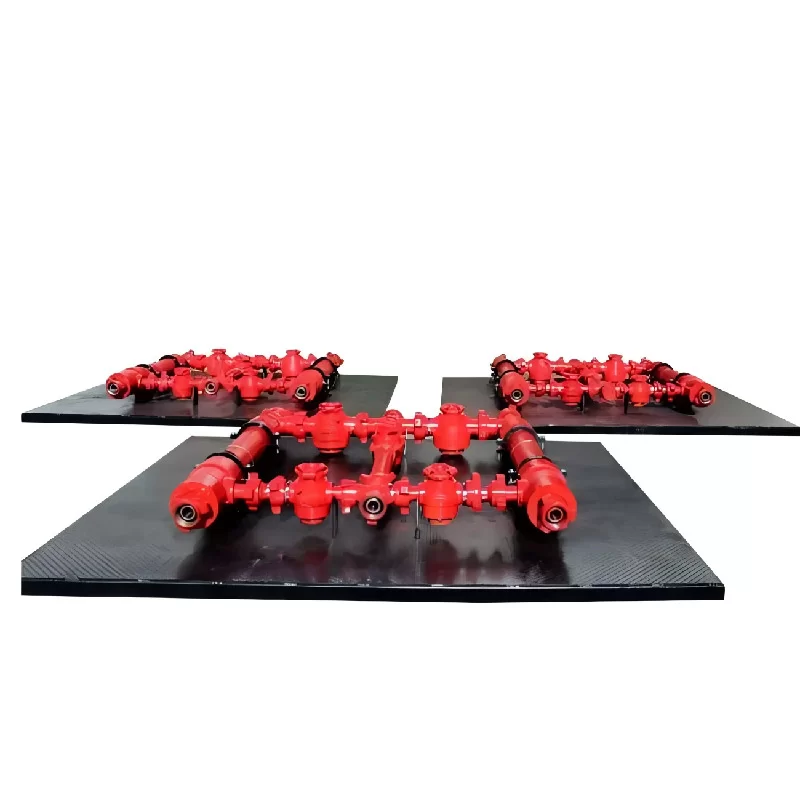
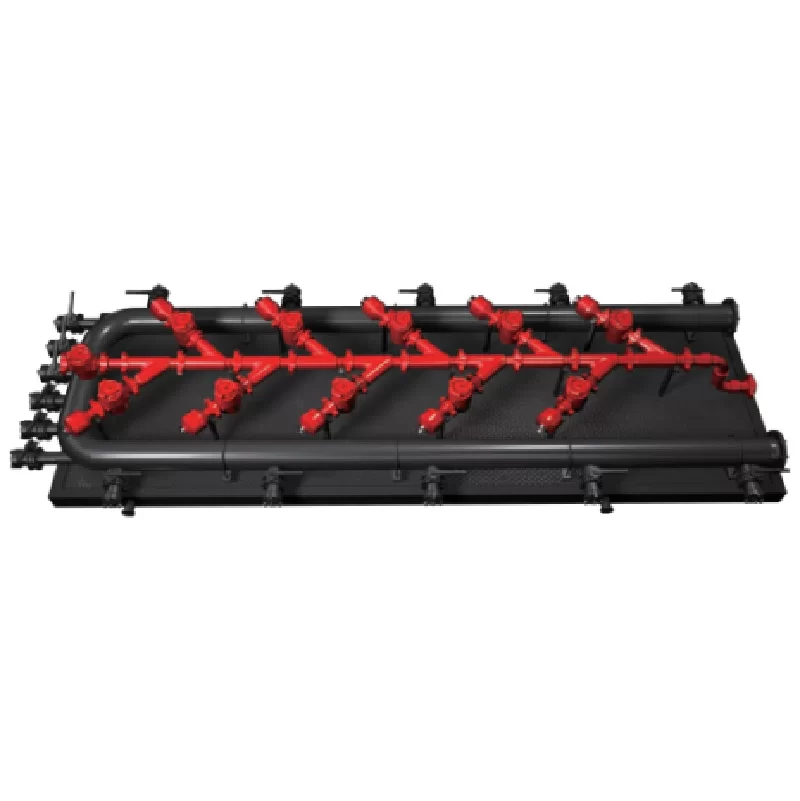
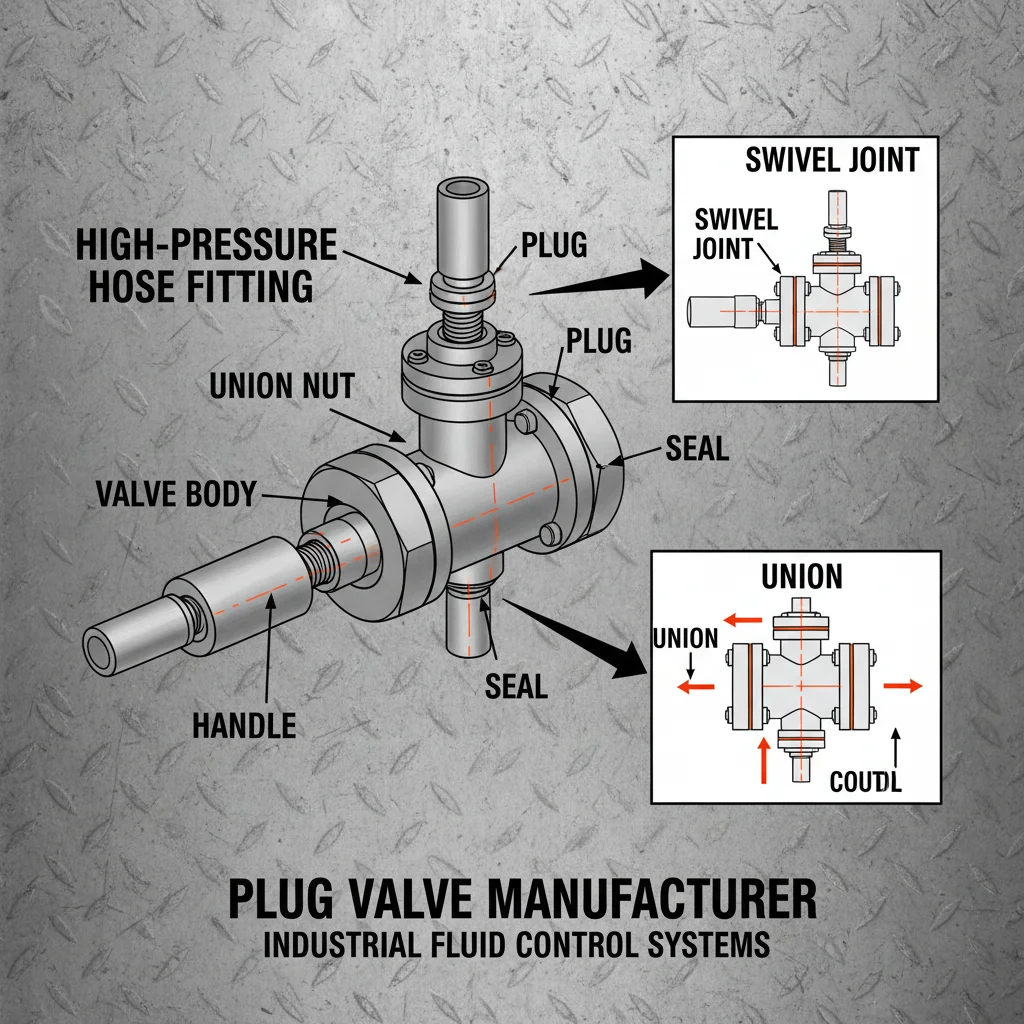
In high-pressure environments, these customized unions are often used alongside the api Standard T-joint, which provides branching flow paths while maintaining uniform pressure distribution. Together, these components form a robust and adaptable pipeline network that meets both operational and regulatory demands.
Monolithic Insulating Joint and Api Standard T-joint in Pressure Control Systems
Electrical isolation and corrosion prevention are critical considerations in oilfield pipeline design. The Monolithic Insulating Joint plays a vital role in protecting pipeline systems from stray electrical currents and galvanic corrosion. Unlike flanged insulating joints, monolithic designs offer a compact, leak-free structure with superior mechanical strength.
When integrated with a Variable Diameter Customization union Short Joint, a Monolithic Insulating Joint ensures both dimensional compatibility and electrical isolation. This combination is commonly used in transmission pipelines, wellhead connections, and gathering systems where long-term reliability is essential.
The api Standard T-joint is another key component in pressure control systems. Designed according to API specifications, it allows a single pipeline to branch into two directions without compromising pressure integrity. When paired with a Custom Api Oilfield Joint union, the T-joint enables flexible system layouts while maintaining standardized performance criteria.
In complex installations, engineers often combine Union Short Joint Variable Diameter, Monolithic Insulating Joint, and api Standard T-joint components to achieve optimal flow control and system protection. This integrated approach reduces installation complexity, improves safety, and enhances resistance to mechanical and environmental stress.
Additionally, using a Union Variable Diameter union helps balance pressure and flow across different pipeline sections. This is particularly important in oilfield systems where varying flow rates and operational conditions are common. Customized diameter transitions reduce turbulence and pressure loss, contributing to improved efficiency and equipment longevity.
As oilfield operations become increasingly complex, the demand for flexible, reliable, and API-compliant pipeline components continues to grow. The Variable Diameter Customization union Short Joint offers a practical solution for connecting pipelines of different sizes without sacrificing safety or performance. When combined with a Custom Api Oilfield Joint union, Union Short Joint Variable Diameter, and Union Variable Diameter union, operators gain greater adaptability and system efficiency.
Incorporating advanced components such as the Monolithic Insulating Joint and api Standard T-joint further enhances corrosion protection, pressure control, and long-term reliability. By selecting the right combination of customized and standard API components, oilfield operators can build robust pipeline systems that meet modern operational and regulatory requirements.
FAQ: Variable Diameter Customization Union Short Joint and Api Oilfield Components
1. What is a Variable Diameter Customization union Short Joint?
A Variable Diameter Customization union Short Joint is a specially engineered connector that joins pipelines with different diameters while maintaining pressure integrity and API compliance.
2. Why choose a Custom Api Oilfield Joint union instead of a standard joint?
A Custom Api Oilfield Joint union provides tailored dimensions for specific projects while still meeting API standards, ensuring compatibility, safety, and performance in demanding oilfield conditions.
3. What is the benefit of a Union Short Joint Variable Diameter design?
A Union Short Joint Variable Diameter offers compact length and flexible diameter transition, making it ideal for installations with limited space and complex layouts.
4. What role does a Monolithic Insulating Joint play in oilfield pipelines?
A Monolithic Insulating Joint electrically isolates pipeline sections, preventing corrosion caused by stray currents and improving long-term system reliability.
5. How is an api Standard T-joint used in oilfield systems?
An api Standard T-joint allows pipelines to branch safely while maintaining uniform pressure distribution and compliance with API specifications.