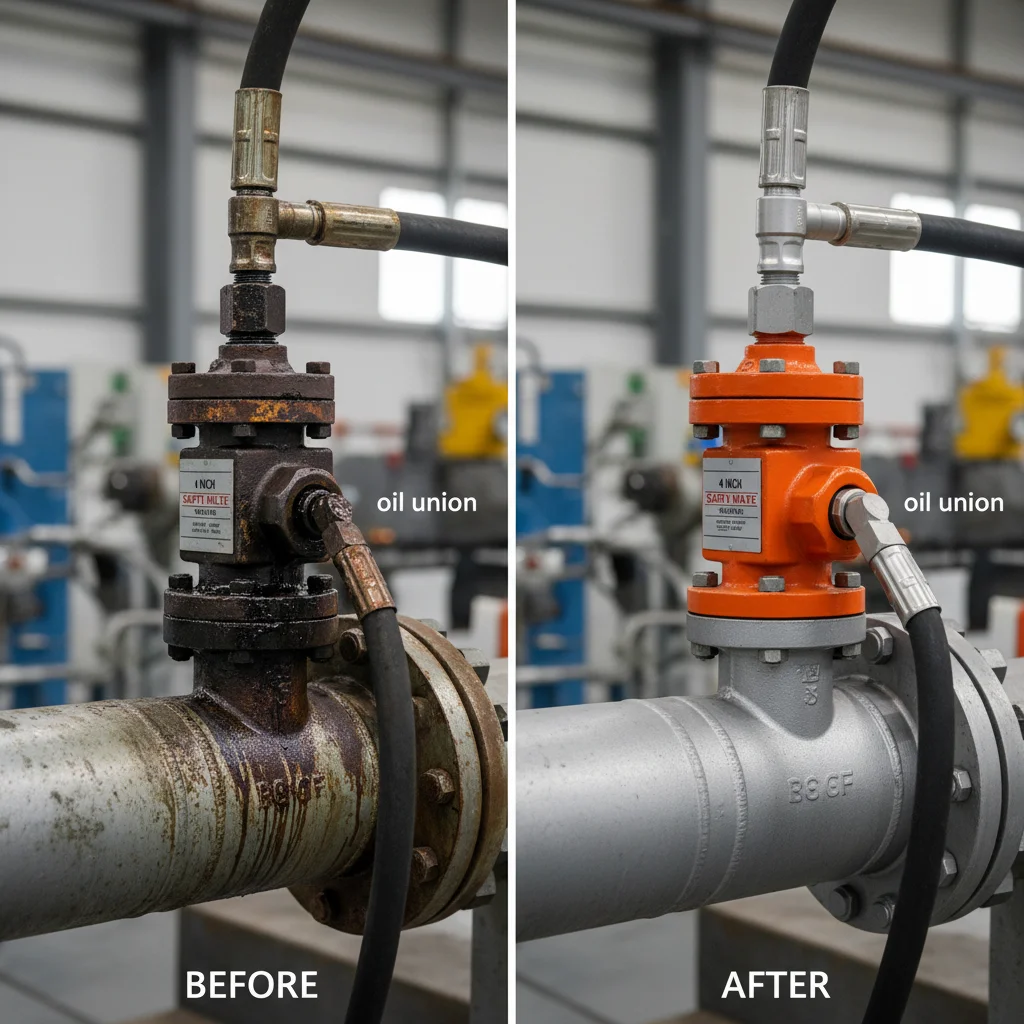
Choosing the Right Safety Valve Manufacturer
Selecting a reliable safety valve manufacturer is critical for ensuring the safety and efficiency of your operations. Safety valves are essential components in various industries, protecting equipment and personnel from overpressure situations. This article will explore key considerations when choosing a manufacturer, focusing on quality, certifications, customization options, and overall reliability. We will delve into the importance of choosing a partner dedicated to delivering high-performance safety solutions.
Key Considerations When Selecting a Manufacturer
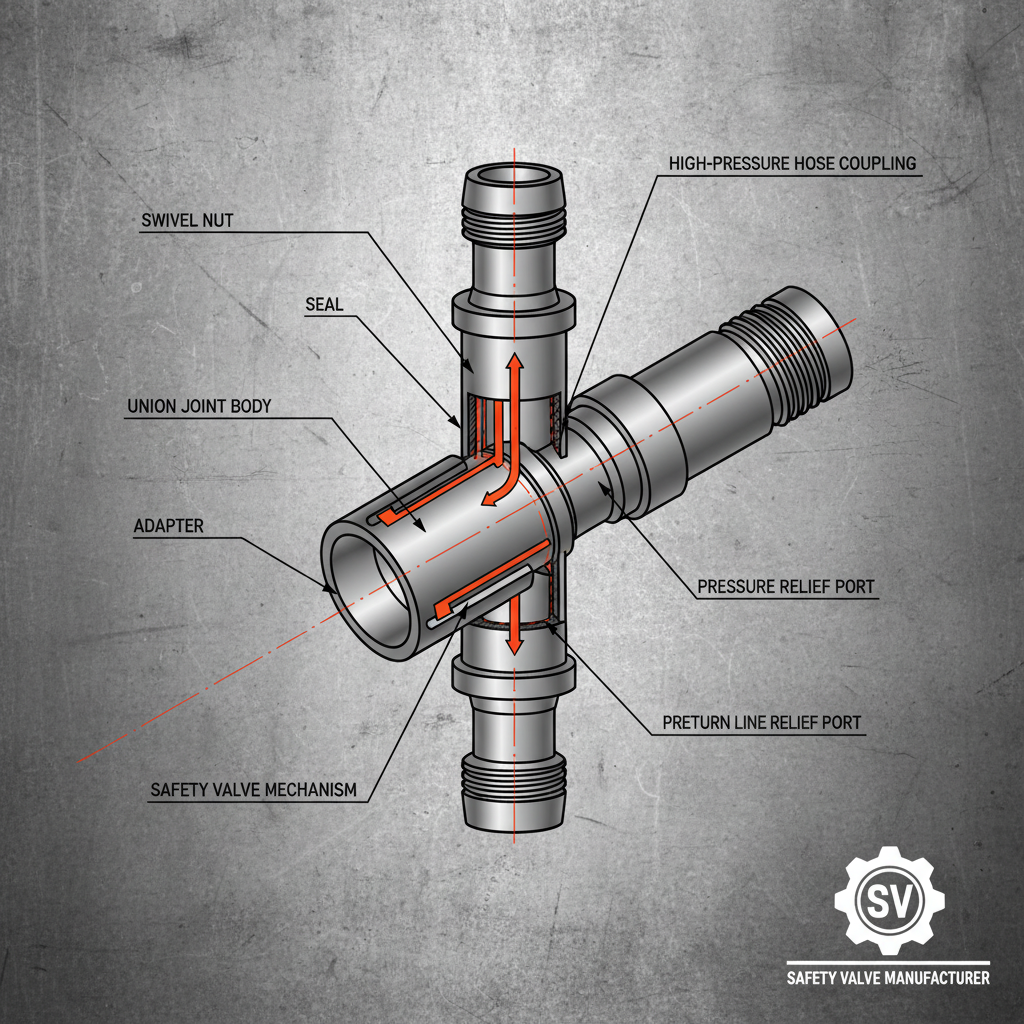
When evaluating potential safety valve manufacturers, several crucial factors come into play. These include the manufacturer’s experience and reputation, their adherence to industry standards, the quality of their materials, and their capacity for customization. Look for manufacturers with a proven track record of delivering reliable and durable products. Furthermore, consider their ability to provide comprehensive support, including technical expertise, after-sales service, and prompt response times. A dedicated quality control system is also a non-negotiable requirement, ensuring each valve meets rigorous performance criteria.
Essential Qualities: Proven track record, adherence to industry standards, material quality, customization capabilities, and comprehensive support.
Understanding Industry Certifications and Standards
Safety valves are subject to stringent industry regulations and standards to ensure their reliability and performance. Common certifications include ASME (American Society of Mechanical Engineers), API (American Petroleum Institute), and ISO (International Organization for Standardization). These certifications demonstrate that the safety valve manufacturer has undergone rigorous testing and quality control processes. Verifying that a manufacturer holds the necessary certifications is crucial for compliance and ensuring the safety of your operations. Look for manufacturers who proactively maintain and update their certifications to reflect the latest industry standards.
Key Certifications:
• ASME (American Society of Mechanical Engineers)
• API (American Petroleum Institute)
• ISO (International Organization for Standardization)
Evaluating Material Quality and Manufacturing Processes
The quality of materials used in the construction of safety valves directly impacts their durability and performance. Manufacturers should utilize high-grade materials such as stainless steel, carbon steel, and alloy steels, selected based on the specific application and operating conditions. Furthermore, robust manufacturing processes, including precise machining, welding, and testing, are essential. A reputable safety valve manufacturer will employ advanced technologies and quality control measures throughout the production process.
| Material | Typical Applications | Advantages |
|---|---|---|
| Stainless Steel | Corrosive Environments, Chemical Processing | Corrosion Resistance, Durability |
| Carbon Steel | General Industrial Applications | Strength, Cost-Effectiveness |
| Alloy Steels | High-Temperature, High-Pressure Applications | Enhanced Strength, Heat Resistance |
Customization and Engineering Support
Diverse industrial applications often require safety valves tailored to specific needs. A responsive safety valve manufacturer should offer customization options, including variations in materials, pressure settings, connection types, and discharge configurations. Furthermore, access to experienced engineering support is invaluable for optimizing valve selection and ensuring compatibility with existing systems. This collaborative approach can help prevent costly errors and ensure optimal safety and performance.
After-Sales Service and Reliability
The relationship with a safety valve manufacturer shouldn’t end with the purchase. Reliable after-sales service, including technical assistance, spare parts availability, and prompt response to inquiries, is critical. A manufacturer committed to long-term partnerships will provide ongoing support to ensure the continued safe and efficient operation of your equipment. Regular maintenance and inspection services can also help prolong the lifespan of the valves and prevent unexpected failures.
Conclusion: Partnering for Safety and Reliability
Choosing the right safety valve manufacturer is a critical investment in the safety and reliability of your operations. By carefully evaluating factors such as certifications, material quality, customization options, and after-sales support, you can ensure you partner with a supplier committed to delivering high-performance solutions. Prioritize quality and reliability to protect your equipment, personnel, and bottom line.
Frequently Asked Questions (FAQs)
What factors determine the correct safety valve size?
The appropriate safety valve size is determined by several factors, including the vessel's volume, the maximum allowable working pressure (MAWP), the fluid being protected, and the required relief rate. The relief rate is calculated based on potential overpressure scenarios, such as heat input or pump failures. A qualified engineer should perform these calculations to ensure the valve is adequately sized to protect the system. Undersized valves can lead to overpressure events, while oversized valves may chatter or experience instability.
How often should safety valves be inspected and tested?
Safety valves should be inspected and tested regularly, typically at intervals specified by industry standards or regulatory requirements. API RP 520 is a widely used guideline for inspection and testing practices. Visual inspections should be conducted more frequently, while full functional tests (pop tests) are typically performed annually or bi-annually. These tests verify the valve's set pressure, leak tightness, and operational functionality. Proper documentation of all inspections and tests is essential for compliance.
What is the difference between a conventional and balanced bellows safety valve?
Conventional safety valves are susceptible to backpressure, which can affect their set pressure and performance. Balanced bellows safety valves incorporate a bellows element that compensates for backpressure, ensuring consistent and accurate operation regardless of system pressure fluctuations. This makes them ideal for applications with variable backpressure or closed discharge systems. However, balanced bellows valves are typically more expensive than conventional valves.
What are the key benefits of working with HRZZ Parts as a safety valve manufacturer?
HRZZ Parts offers a comprehensive range of high-quality safety valves, customized solutions, and dedicated engineering support. We adhere to stringent industry standards, utilize premium materials, and provide reliable after-sales service. Our commitment to customer satisfaction and long-term partnerships makes us a trusted choice for industries seeking dependable safety solutions. Explore our extensive product line and expertise at HRZZ Parts.