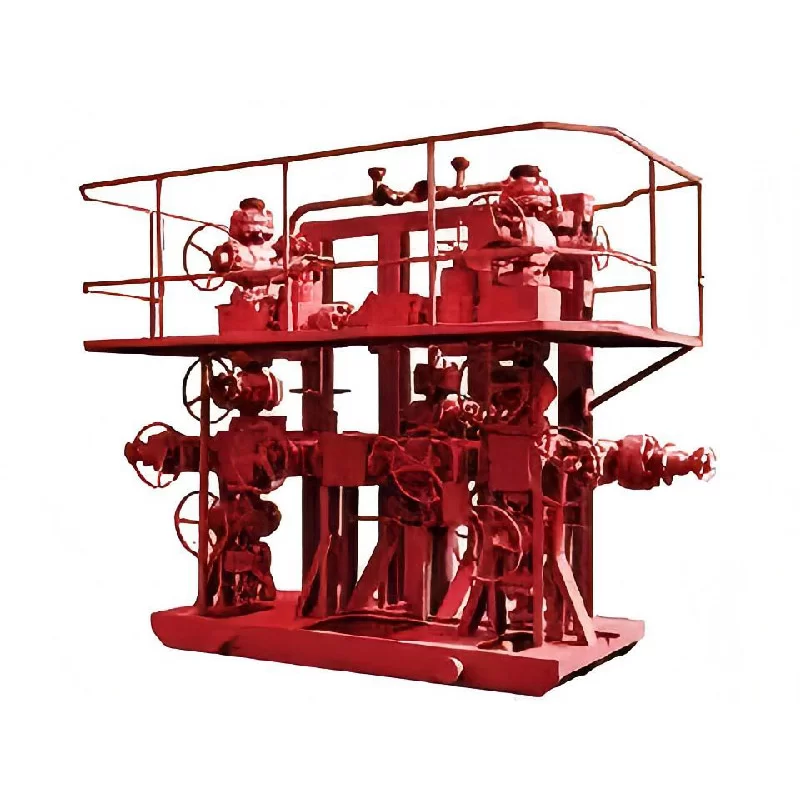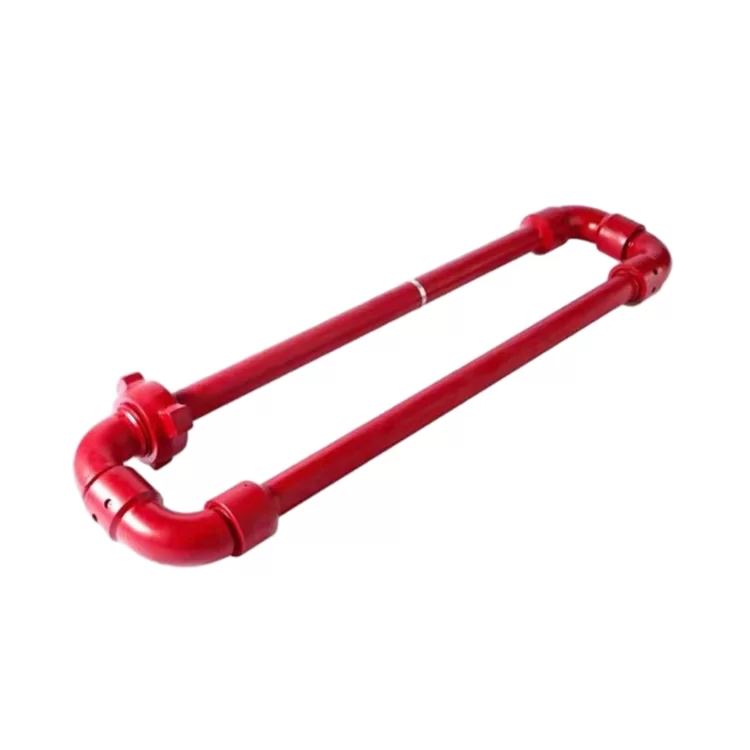


The Choke Manifold is a high-performance, high-pressure assembly engineered for precise fluid flow control during critical oil and gas production and well logging operations. By integrating a sophisticated series of nozzles and throttles, this system empowers operators to accurately monitor pressure, temperature, and production capacity, ensuring maximum stability and safety at the wellhead environment.
Built for resilience in the most demanding oilfield conditions, our manifolds feature robust forged flange connections and premium flat gate valves. Whether deployed for routine production or complex high-pressure logging, this equipment provides the industrial reliability required to maintain operational integrity, minimize downtime, and maximize overall output in diverse fluid environments.
Detailed Parameters
| Working Pressure | 42 MPa ~ 105 MPa | Nominal Diameter | 2 1/16" ~ 4 1/16" |
|---|---|---|---|
| Temperature Rating | -29°C ~ 121°C (P+U) | Operating Mode | H2S Compatible (NACE MR0175) |
| Connection Type | Flange / Union Connection | Valve Type | Flat Gate Valve |
| Material Process | High-Strength Forging | Application | Well Logging & Production |
| Configuration | Customizable | Standard Compliance | API Specifications |
Key Advantages
Maximum Reliability
Utilizing forged flange four-way structures to provide superior crushing strength and leak-proof security under high pressure.
Extended Service Life
Engineered for long-term operation in corrosive fluid environments with high-grade wear-resistant components.
NACE Compliant
Fully compliant with NACE MR0175, ensuring safe and stable operation in H2S-rich sour gas environments.
Efficient Monitoring
Optimized design to facilitate seamless data collection for real-time pressure and temperature monitoring.
Easy Installation
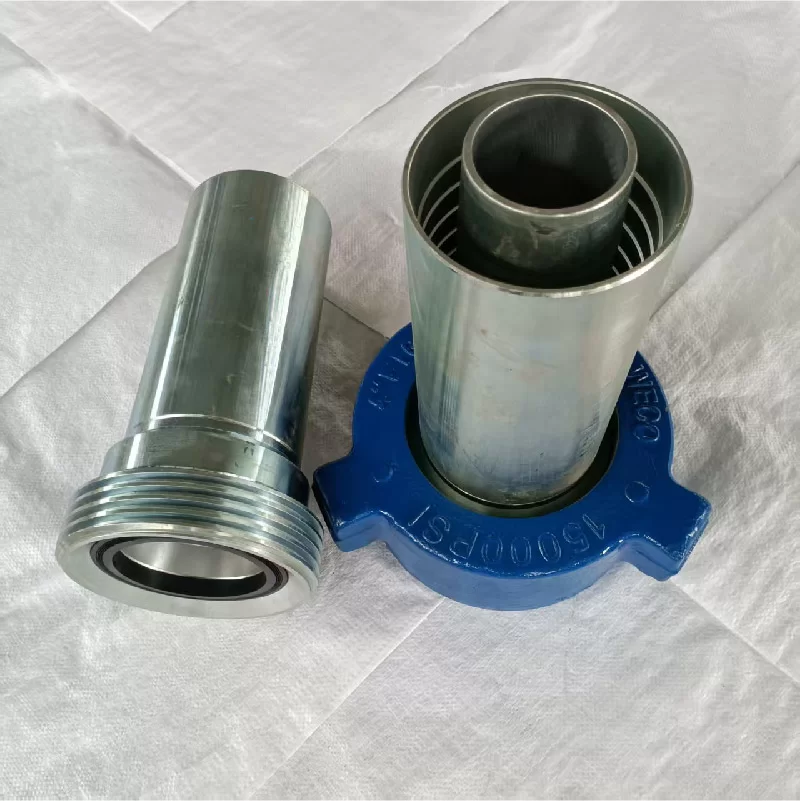
Export union connections simplify field pipeline installation, significantly reducing setup time and downtime.
Customizable Design
Throttling forms are tailored to specific user requirements to optimize fluid flow and pressure control.
Product Gallery


Management Platforms
Inventory Tracking
Real-time monitoring of API flange and manifold stock levels for rapid global deployment.
Quality Control
Rigorous testing protocols ensuring every manifold meets precise pressure rating standards.
Maintenance Alerts
Scheduled reminders for seal inspections and valve lubrication based on operational duty cycles.
Pressure Monitoring
Integration with digital sensors for instant alerts on critical pressure fluctuations.
Logistics Hub
Optimized heavy-lift shipping solutions for drilling equipment to global oilfield sites.
Compliance Audit
Digital certification management for seamless NACE and API standard compliance verification.
Investment Return Comparison
| Comparison Feature | Standard Manifolds | Our Premium Manifold |
|---|---|---|
| Operational Lifespan | Short to Medium | Extended Long-Term |
| H2S Resistance | Basic / Limited | Full NACE MR0175 Compliance |
| Installation Time | High Labor Cost | Low (Quick Union Design) |
| Pressure Stability | Variable | Consistent High-Stability |
| Maintenance Cost | Frequent Replacement | Low Preventative Cost |
Frequently Asked Questions
A Choke Manifold is used to control the flow of fluids from the well, allowing operators to measure pressure and temperature while managing production capacity and ensuring safety during well logging.
Yes, our Choke Manifolds are fully compliant with NACE MR0175 standards, making them specifically designed for safe operation in H2S-rich environments.
The equipment supports a wide working pressure range from 42 MPa up to 105 MPa, depending on the specific model and configuration selected.
The union connection allows for faster and more efficient pipeline installation in the field, significantly reducing the time and labor required compared to traditional bolting.
Absolutely. We offer customizable throttling forms based on user requirements to ensure the manifold perfectly matches your specific fluid flow and pressure goals.
Our manifolds are rated for temperatures ranging from -29°C to 121°C, ensuring reliable performance in both Arctic and high-heat desert environments.