Choosing the Right Plug Type Disc Valve Manufacturer for Industrial Success
In the demanding world of fluid control, the precision and reliability of your hardware can determine the efficiency of your entire production line. Finding a reputable plug type disc valve Manufacturer is not just about purchasing a component; it is about securing a partnership that ensures operational safety and longevity. These specialized valves are engineered to provide a bubble-tight seal and exceptional durability under high-pressure conditions. Whether you are dealing with corrosive chemicals or high-temperature steam, selecting a manufacturer with proven expertise is critical to avoiding costly downtime and ensuring compliance with international safety standards.

The Engineering Excellence of Plug Type Disc Valves
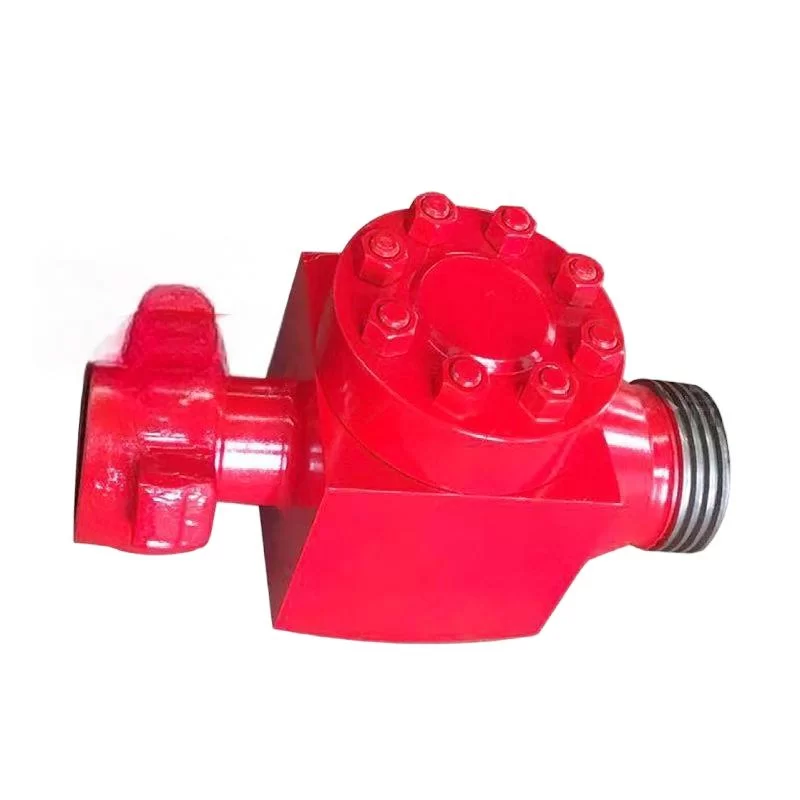
Plug type disc valves are distinguished by their unique sealing mechanism, where a tapered or cylindrical plug rotates to open or close the flow path. A professional plug type disc valve Manufacturer utilizes advanced metallurgy to ensure the plug and seat maintain a perfect fit over thousands of cycles. These valves are particularly praised for their low torque requirements and rapid actuation, making them ideal for emergency shut-off systems. By minimizing the number of moving parts, these valves significantly reduce the likelihood of mechanical failure compared to traditional gate or globe valves.
Industry Insight: High-quality plug valves are often preferred in "slurry" applications because the plugging action helps wipe the seat clean, preventing debris buildup that would typically cause leaks in other valve types.
Identifying a Quality plug type disc valve Manufacturer
Not all manufacturers are created equal. When vetting a plug type disc valve Manufacturer, it is essential to look for certifications such as ISO 9001 or API standards. A top-tier provider will offer comprehensive material traceability, ensuring that the alloys used can withstand the specific chemical properties of your media. Furthermore, the ability to provide customized solutions—such as specialized coatings for extreme corrosion resistance—separates a standard vendor from a true industry leader. Precision machining and rigorous pressure testing are the hallmarks of a manufacturer dedicated to zero-defect production.
Comparison: Plug Disc Valves vs. Ball Valves
Engineers often debate between plug valves and ball valves. While both offer quick 90-degree operation, the plug type valve is often superior in handling viscous fluids and abrasive media. Because the plug can be designed to "wipe" the seat, it maintains a better seal in dirty services. When sourcing from a plug type disc valve Manufacturer, you will find that these valves offer a more compact face-to-face dimension in certain high-pressure configurations.
| Feature | Plug Type Disc Valve | Standard Ball Valve |
|---|---|---|
| Sealing Action | Wiping / Tapered Seal | Compression Seal |
| Handling Slurries | Excellent (Self-Cleaning) | Moderate (Prone to Clogging) |
| Leakage Risk | Extremely Low (Bubble-Tight) | Low (Depending on Seat) |
| Durability | Very High in Harsh Media | High in Clean Media |
Technical Specifications from a Leading plug type disc valve Manufacturer
When requesting a quote from a plug type disc valve Manufacturer, understanding the technical parameters is key to ensuring the valve fits your system perfectly. Most industrial plug valves are available in various body materials, ranging from carbon steel to exotic alloys like Hastelloy or Monel. The following table outlines the typical specifications you can expect from a professional-grade manufacturer.
| Parameter | Industry Standard Range |
|---|---|
| Pressure Rating | Class 150 to Class 2500 |
| Temperature Range | -29°C to +450°C (Material Dependent) |
| Body Materials | CF8M, WCB, Alloy 20, Titanium |
| Seal Type | Soft Seat (PTFE) or Metal-to-Metal |
Applications Across Heavy Industries
The robustness of products from a quality plug type disc valve Manufacturer makes them indispensable in several sectors. In the Oil and Gas industry, they are used for pigging operations and crude oil transport where sediment is common. In Chemical Processing, their ability to handle aggressive acids without leaking ensures plant safety. Furthermore, the Pharmaceutical industry utilizes high-purity versions of these valves to prevent cross-contamination during batch transfers. Their reliability in critical "on-off" service makes them a staple in power plant steam lines as well.

Maintenance Tips for Long-Term Valve Performance
Even the best equipment from a premier plug type disc valve Manufacturer requires a structured maintenance plan. Regular lubrication of the plug stem is essential to prevent seizing, especially in environments with high salt or chemical exposure. Operators should perform periodic "cycling" of the valve to ensure that any accumulated deposits are cleared from the seat. Whenever a seal replacement is necessary, it is highly recommended to use genuine OEM parts to maintain the original pressure rating and safety certification of the valve assembly.
Conclusion: Partnering with an Expert Manufacturer
Selecting the right plug type disc valve Manufacturer is a strategic decision that impacts your plant's safety, efficiency, and bottom line. By prioritizing material quality, adhering to international standards, and understanding the technical nuances of plug valve engineering, you can ensure a seamless flow in your industrial processes. Invest in quality hardware today to prevent the failures of tomorrow.
Frequently Asked Questions (FAQs)
What makes a plug type disc valve different from a ball valve?
The primary difference lies in the sealing mechanism and the shape of the closure element. While a ball valve uses a spherical ball with a hole through it, a plug valve uses a cylindrical or tapered plug. The plug design is generally more effective at "wiping" the seat clean, which makes it superior for handling slurries, thick liquids, or contaminated fluids that would otherwise damage or clog the seats of a ball valve. This makes them a preferred choice for heavy industrial waste and chemical lines.
How do I choose the right material for my plug valve?
Material selection depends entirely on the medium being transported and the operating temperature. For general purpose use, carbon steel is cost-effective. For corrosive environments, stainless steel (like CF8M) is the standard. For extreme chemicals or highly acidic environments, you should consult your plug type disc valve Manufacturer about alloys like Hastelloy, Inconel, or Monel. Always consider the "worst-case" scenario for temperature and pressure to ensure the material doesn't degrade over time.
Can plug type disc valves be automated?
Yes, plug type disc valves can be easily automated. Most manufacturers provide versions compatible with pneumatic or electric actuators. Because the valve only requires a 90-degree turn to move from fully open to fully closed, it is highly compatible with standard automation hardware. Automation is particularly useful for emergency shutdown valves (ESV) where rapid, remote closure is required to prevent leaks or accidents in high-pressure pipelines.
What is the typical maintenance cycle for these valves?
While maintenance cycles vary by application, a general rule is to perform a visual inspection and lubrication every 3 to 6 months. For valves in highly abrasive services, more frequent cycling and seal checks are recommended. If you notice an increase in the torque required to operate the valve, it is a sign that the plug may be accumulating debris or the lubricant has dried out. Timely maintenance extends the life of the valve by preventing permanent scoring of the plug and seat surfaces.