OEM Safety Valve Manual: A Comprehensive Guide
Understanding your OEM safety valve is critical for ensuring efficient and safe operations in various industries. This article provides a detailed overview of safety valve manuals, covering their importance, key sections, maintenance procedures, and troubleshooting tips. Whether you’re a plant engineer, technician, or safety manager, this guide will help you navigate the complexities of safety valve operation and maintain optimal system performance. Proper understanding and adherence to the manual will prevent accidents and extend the lifespan of your equipment.
Why is an OEM Safety Valve Manual Essential?
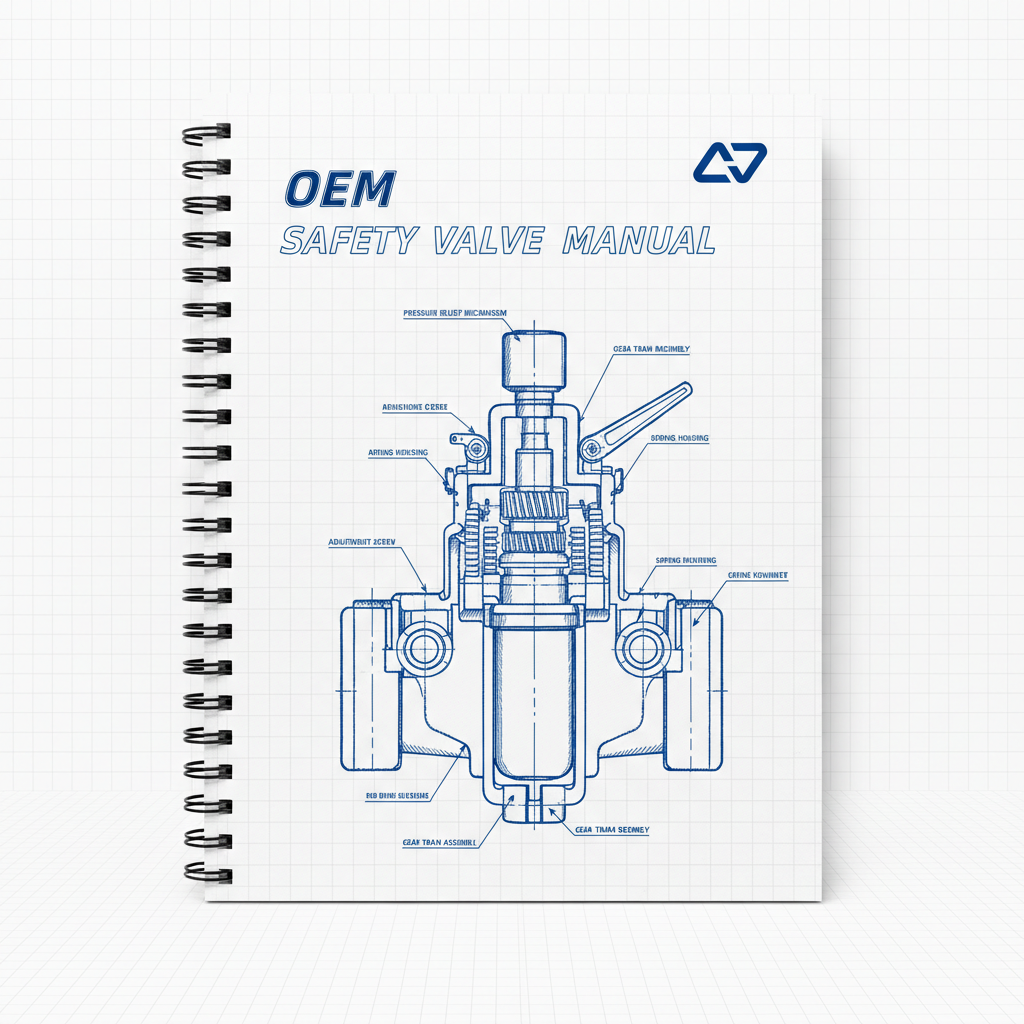
The OEM (Original Equipment Manufacturer) safety valve manual is a vital document providing specific instructions and information related to your particular safety valve model. It details the valve's design, operating principles, installation requirements, maintenance schedules, and troubleshooting procedures. Using the correct manual is paramount; generic instructions may not apply and could lead to improper operation or even failure. It ensures compliance with industry standards and regulations, and helps prevent catastrophic events stemming from overpressure situations. The manual is your primary resource for maximizing the valve’s lifespan and guaranteeing safe operation.
Key Benefits: Accurate installation and operation, maximized valve lifespan, ensured regulatory compliance, and increased system safety.
Key Sections Found in an OEM Safety Valve Manual
Most OEM safety valve manuals follow a standard format, containing essential sections for comprehensive understanding. Typically, you’ll find: Technical Specifications, outlining the valve's capacity, pressure settings, and materials; Installation Instructions, detailing proper mounting procedures and required tools; Operating Procedures, explaining how the valve functions and appropriate operating conditions; Maintenance Schedules, providing recommended inspection and repair intervals; Troubleshooting Guides, assisting in diagnosing and resolving common issues; and Parts Lists, identifying replaceable components. A detailed understanding of each section is essential for proper valve management.
Essential Manual Sections:
• Technical Specifications
• Installation Instructions
• Operating Procedures
• Maintenance Schedules
Understanding OEM Safety Valve Types and Manual Variations
Safety valves come in various types, including conventional spring-loaded, pilot-operated, and balanced bellows designs. Each type has a specific manual tailored to its operation. A spring-loaded safety valve manual will focus on adjusting spring pressure, whereas a pilot-operated safety valve manual will detail the function of the pilot system. The complexity of the manual directly correlates to the sophistication of the valve. Always verify you are using the manual corresponding to your specific valve model number, found on the valve's nameplate.
| Valve Type | Manual Focus | Complexity |
|---|---|---|
| Spring-Loaded | Spring adjustment and testing | Low |
| Pilot-Operated | Pilot system and remote control | Medium |
| Balanced Bellows | Bellows and pressure balance | High |
Essential Maintenance Procedures Based on the Manual
Regular maintenance, guided by the OEM manual, is crucial. This includes periodic inspection of the valve's body, spring, disc, and seat for wear and corrosion. The manual will specify the frequency of these inspections. It's vital to perform lift tests to verify the valve’s set pressure and ensure it operates correctly. Lubrication of moving parts, as outlined in the manual, is also essential. Failure to follow these procedures can lead to valve malfunction and potentially dangerous overpressure events. HRZZ Parts offers a range of replacement parts to facilitate these maintenance procedures.
Troubleshooting Common Issues Using the Manual
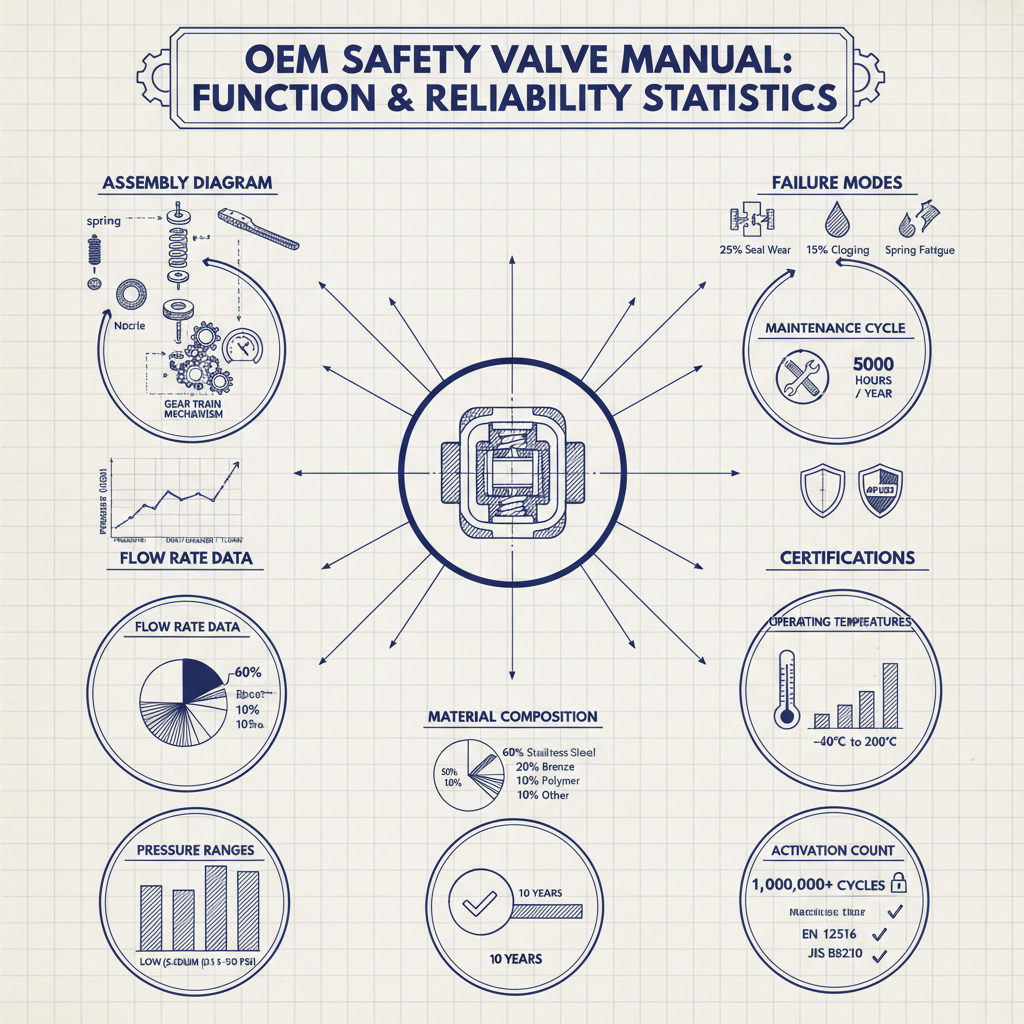
The manual provides a troubleshooting section addressing common issues like valve chatter, leakage, or failure to lift. These sections offer step-by-step instructions for diagnosing the problem and implementing corrective actions. Often, issues can be resolved with simple adjustments or cleaning. However, if the problem persists, the manual will guide you on when to contact a qualified technician. Ignoring warning signs and attempting repairs without proper guidance can exacerbate the problem and create safety hazards.
Conclusion: Mastering Your Safety Valve Manual
The OEM safety valve manual is your indispensable guide to safe, reliable, and efficient operation. By diligently studying and following its instructions, you can protect your personnel, equipment, and facility from the potentially devastating consequences of overpressure. HRZZ Parts is your trusted source for manuals and replacement components.
Frequently Asked Questions (FAQs)
Where can I find the OEM safety valve manual for my valve?
The first place to look is with the documentation provided when the valve was initially purchased. If you no longer have the original manual, contact the valve manufacturer directly. Many manufacturers also offer digital copies of their manuals on their websites. If you still have trouble locating the manual, providing the valve's model number and serial number to HRZZ Parts customer support may allow us to assist you.
How often should I perform a lift test on my safety valve?
The manual will specify the recommended frequency for lift tests, typically annually or after any maintenance. Factors like the severity of the service and the valve’s history can also influence this frequency. Performing lift tests confirms the valve operates at its set pressure and is free from binding or corrosion. It's a critical step in ensuring ongoing safety and reliability.
What should I do if my safety valve is constantly leaking?
Constant leakage indicates a potential problem with the valve's seat or disc. Consult the manual's troubleshooting section for specific guidance. Often, the manual recommends inspecting the seat for damage and potentially replacing the seat or disc assembly. Do not attempt to force the valve closed; this can worsen the problem. If the leakage persists, contact a qualified technician.