OEM Security Valve Solutions for Industrial Safety and Pressure Management

OEM Security Valve Solutions for Industrial Safety and Pressure Management

  • Home
  • Top Blog
  • OEM Security Valve Solutions for Industrial Safety and Pressure Management
0%

Table of Contents

OEM security valves are critical components in a vast array of industrial and commercial applications, ensuring the safe and reliable operation of pressure systems. From power generation plants to chemical processing facilities, these valves act as a final safeguard against overpressure events, preventing catastrophic failures and protecting personnel and equipment. Understanding their function, maintenance, and the evolving standards surrounding them is paramount for operational safety and regulatory compliance.

The global demand for reliable pressure relief solutions, including OEM security valve, is steadily increasing, driven by factors like expanding industrialization in emerging economies, stricter safety regulations, and the growing complexity of process systems. These valves aren't merely commodities; they're vital infrastructure elements that underpin the functionality of countless critical processes. Investing in high-quality, certified OEM valves is crucial for long-term operational security and cost-effectiveness.

Furthermore, the advancements in materials science and valve technology are continuously improving the performance and longevity of these essential safety devices. Proper selection, installation, and regular testing of an OEM security valve are essential practices that ensure the integrity of the entire pressure system and minimize potential risks.
OEM security valve

The Significance of OEM Security Valves

OEM security valve

The primary significance of an OEM security valve lies in its ability to protect equipment and personnel from the damaging effects of overpressure. Uncontrolled pressure buildup in a system can lead to rupture, explosion, and significant financial losses, as well as potentially life-threatening injuries. These valves are designed to automatically relieve excess pressure, returning the system to a safe operating level.

The 'OEM' designation is crucial, signifying that the valve is specifically designed and manufactured to the original equipment manufacturer's specifications. This ensures compatibility, optimal performance, and adherence to stringent quality control standards, unlike generic aftermarket alternatives. This compatibility is vital for maintaining warranty validity and ensuring seamless integration within the overall system.

Defining OEM Security Valves

An OEM security valve is a pressure relief device engineered to protect pressurized systems by automatically releasing fluid when a predetermined pressure limit is exceeded. Unlike other types of relief valves, OEM versions are meticulously designed for specific applications within a larger piece of equipment, guaranteeing optimal functionality and integration. They are generally spring-loaded, utilizing calibrated springs to manage the pressure threshold for activation.

These valves are indispensable in applications where maintaining consistent pressure is critical. From boilers and pressure vessels to pipelines and chemical reactors, an OEM security valve ensures safe operation and regulatory compliance. Its precise design and responsiveness are crucial for preventing catastrophic failures that could result in significant downtime, costly repairs, and potential safety hazards.

Furthermore, the definition extends beyond the physical component. It also encompasses the rigorous testing, certification, and documentation associated with the valve, confirming its adherence to industry standards and regulations like ASME and ISO.

Key Components and Characteristics

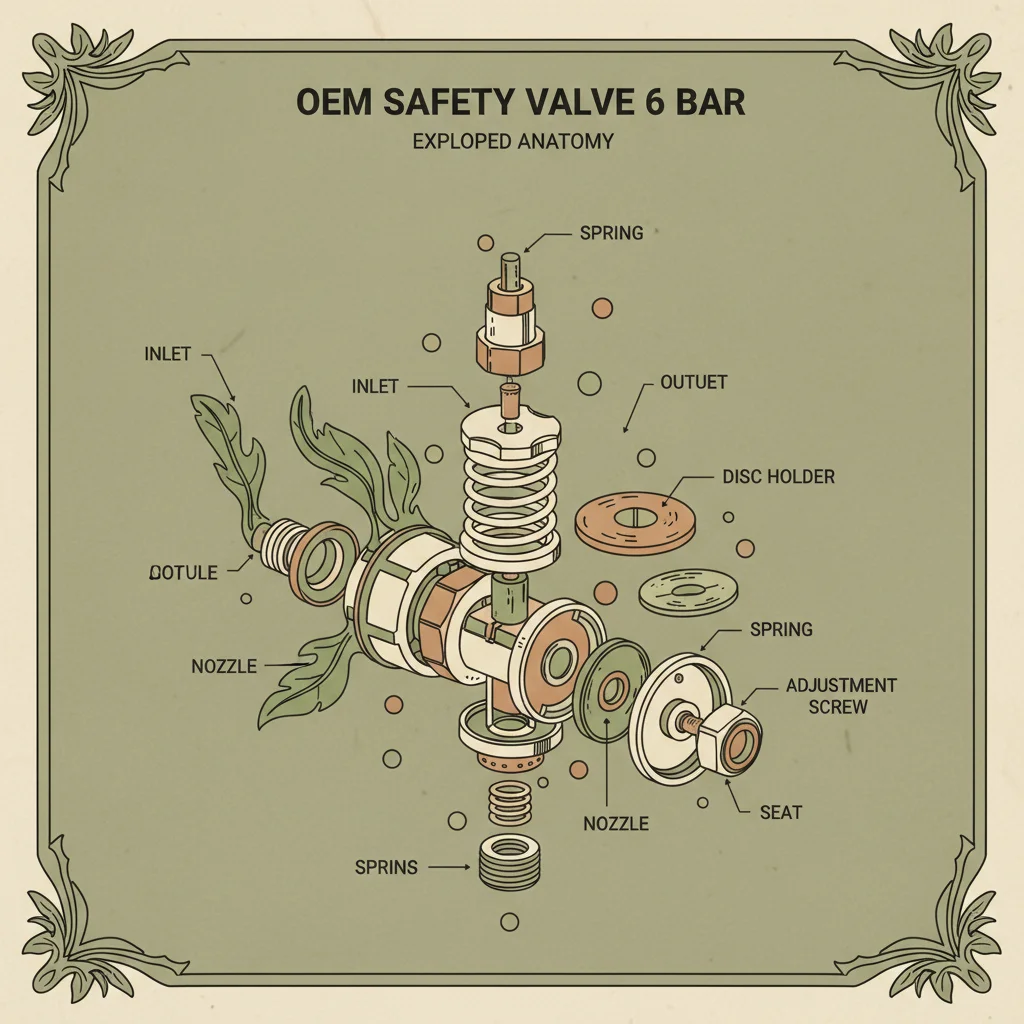
Several key components contribute to the reliable operation of an OEM security valve. These include the nozzle, disc, spring, bonnet, and lever mechanism. The nozzle directs the flow of fluid when the valve opens, while the disc seals the valve closed under normal operating conditions. The spring provides the force necessary to maintain the seal, and the bonnet houses and protects the internal components.

Critical characteristics include the valve's set pressure (the pressure at which it begins to open), its relieving capacity (the maximum flow rate it can handle), and its material compatibility with the fluid being handled. Proper material selection is vital to prevent corrosion, erosion, and other forms of degradation. The valve's design also incorporates features to minimize chatter and ensure stable operation during relief events.

Understanding these components and characteristics is crucial for selecting the appropriate valve for a given application and ensuring its long-term performance. Proper maintenance, including regular inspection and testing, is essential to verify the valve’s functionality and prevent unexpected failures.

Performance Metrics and Standards

Evaluating the performance of an OEM security valve involves considering several key metrics. These include the valve’s certified relieving capacity, its accumulation percentage (the amount the set pressure increases during full lift), and its leakage rate. These metrics are rigorously tested during the manufacturing process and documented in certification reports.

Industry standards, such as ASME Section VIII Division 1 for pressure vessels and boilers, dictate the minimum requirements for valve design, testing, and documentation. Adherence to these standards ensures that the valve meets the necessary safety and performance criteria for its intended application.

OEM Security Valve Performance Comparison

Global Applications and Industries Served

OEM security valve are deployed across a remarkably diverse range of industries globally. These include power generation (coal, nuclear, gas), oil and gas refining, chemical processing, pharmaceutical manufacturing, and water treatment facilities. Each sector presents unique challenges and requirements, necessitating specialized valve designs and materials.

Advantages and Long-Term Value Proposition

The advantages of utilizing an OEM security valve are multifaceted. Beyond the obvious safety benefits, they offer enhanced reliability, reduced downtime, and improved operational efficiency. The precise fit and compatibility with the original equipment minimize the risk of malfunctions and ensure optimal system performance.

From a long-term perspective, investing in high-quality OEM valves translates to lower lifecycle costs. Reduced maintenance requirements, fewer unplanned outages, and the avoidance of catastrophic failures contribute to significant cost savings over the valve’s operational lifespan.

Future Trends and Technological Advancements

The future of OEM security valve technology is being shaped by several emerging trends. These include the development of smart valves equipped with sensors and remote monitoring capabilities, allowing for predictive maintenance and real-time performance analysis. Digital twin technology is also enabling more accurate valve simulations and optimization.

Furthermore, advancements in materials science are leading to the creation of more corrosion-resistant and durable valve components. The integration of artificial intelligence (AI) and machine learning (ML) is promising to improve valve control algorithms and enhance overall system safety and efficiency.

Key Characteristics of OEM Security Valve Materials

Material Type Corrosion Resistance Temperature Rating (°C) Typical Application
Stainless Steel 316 Excellent -200 to 400 Chemical Processing
Carbon Steel Moderate (with coating) -30 to 250 Steam Systems
Hastelloy C-276 Exceptional -196 to 650 Highly Corrosive Environments
Alloy 20 Very Good -50 to 450 Sulfuric Acid Service
Titanium Excellent -253 to 540 Seawater Applications
Duplex Stainless Steel Superior -50 to 350 Offshore Oil & Gas

FAQS

What is the typical lifespan of an OEM security valve?

The lifespan of an OEM security valve varies depending on the application, operating conditions, and maintenance schedule. However, with proper care and adherence to recommended testing intervals, a well-maintained valve can reliably operate for 10-20 years or even longer. Regular inspection for signs of corrosion, wear, or damage is crucial for maximizing its service life.

How often should an OEM security valve be tested?

Testing frequency is dictated by industry standards and regulatory requirements. Generally, OEM security valve should be tested annually, or more frequently in critical applications or harsh environments. Testing typically involves verifying the valve's set pressure, relieving capacity, and leak tightness. Documenting test results is essential for compliance and traceability.

What are the key differences between a safety valve and a relief valve?

While both safety valves and relief valves protect against overpressure, they differ in their application and design. Relief valves are typically used for liquid service and open proportionally to the overpressure, while safety valves are designed for compressible fluids (gases, steam) and provide rapid, full-lift opening. The correct type of valve must be selected based on the fluid being protected.

Can an OEM security valve be repaired, or should it be replaced?

Repairing an OEM security valve can be complex and often isn't recommended. Internal components are precisely calibrated, and any unauthorized repair can compromise the valve's integrity. In many cases, replacement with a new, certified valve is the safest and most cost-effective solution, ensuring reliable protection and compliance.

What factors should I consider when selecting an OEM security valve?

Key considerations include the fluid type, operating pressure, temperature, flow rate, and the specific requirements of the equipment being protected. It's also crucial to verify that the valve meets relevant industry standards and regulations. Working with a qualified valve specialist is highly recommended to ensure proper selection.

What certifications should I look for in an OEM security valve?

Common certifications include ASME (American Society of Mechanical Engineers), ISO (International Organization for Standardization), and CE marking (Conformité Européenne). These certifications demonstrate that the valve has been tested and meets established safety and performance standards. Ensure that the valve's certification is valid and applicable to your specific application.

Conclusion

In summary, the OEM security valve is an indispensable component in ensuring the safe and reliable operation of countless industrial and commercial systems. Its precise design, adherence to rigorous standards, and vital role in preventing catastrophic failures make it a critical investment for any organization prioritizing safety and operational integrity. From power generation to chemical processing, these valves serve as a final line of defense against overpressure events.

Looking ahead, the evolution of valve technology, driven by advancements in materials science, digital monitoring, and AI-powered control systems, promises even greater levels of performance and reliability. Prioritizing regular maintenance, adhering to industry best practices, and embracing innovative solutions will be key to unlocking the full potential of these essential safety devices. Visit our website at www.hrzzparts.com to learn more about our comprehensive range of OEM security valve solutions.
Michael Brown

Michael Brown

Michael Brown is a Lead Quality Control Inspector at Hebei Hongru. He has been with the company for 12 years, ensuring our products consistently meet stringent international standards. Michael oversees the rigorous testing procedures for our nylon and polyurethane products, guaranteeing their durability and performance in challenging environments. He is certified in non-destructive testing methods and is a key advocate for continuous improvement within our quality management system. Michael’s dedication to precision and attention to detail are crucial in maintaining our reputation for reliability. He is a frequent trainer for new QC personnel.
Previous OEM safety valve working Crucial for Industrial Safety and Reliability
Next Essential Guide to OEM Types of Relief Valves for Industrial Safety

If you are interested in our products, you can choose to leave your information here, and we will be in touch with you shortly.


If you are interested in our products, you can choose to leave your information here, and we will be in touch with you shortly.