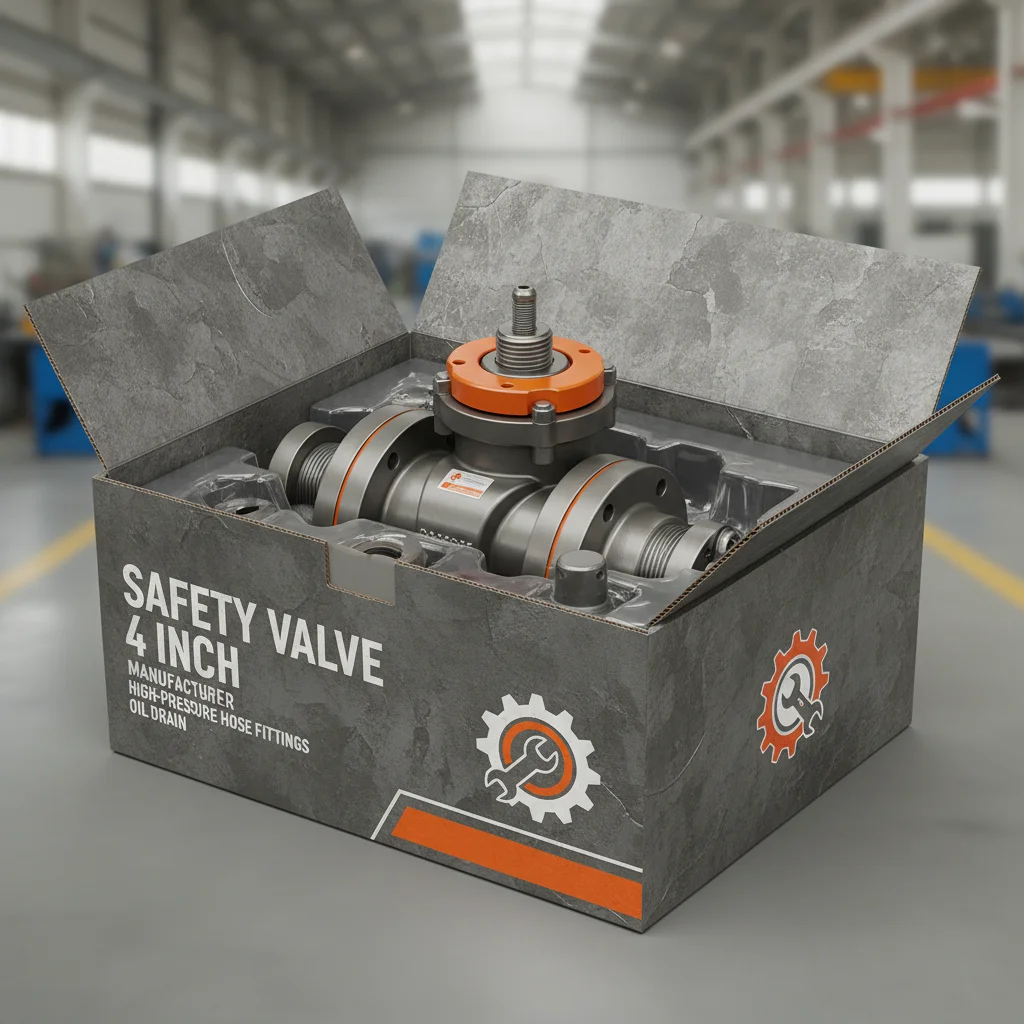
OEM Safety Valve 3D: A Comprehensive Guide
In critical industrial applications, maintaining system pressure and preventing catastrophic failures is paramount. OEM safety valves are essential components, and the integration of 3D technology into their design, manufacturing, and testing is revolutionizing the industry. This article will explore the benefits of utilizing 3D modeling and printing in the context of OEM safety valves, focusing on precision, customization, and rapid prototyping. We will delve into how HRZZ Parts leverages these advancements to deliver high-quality, reliable safety solutions.
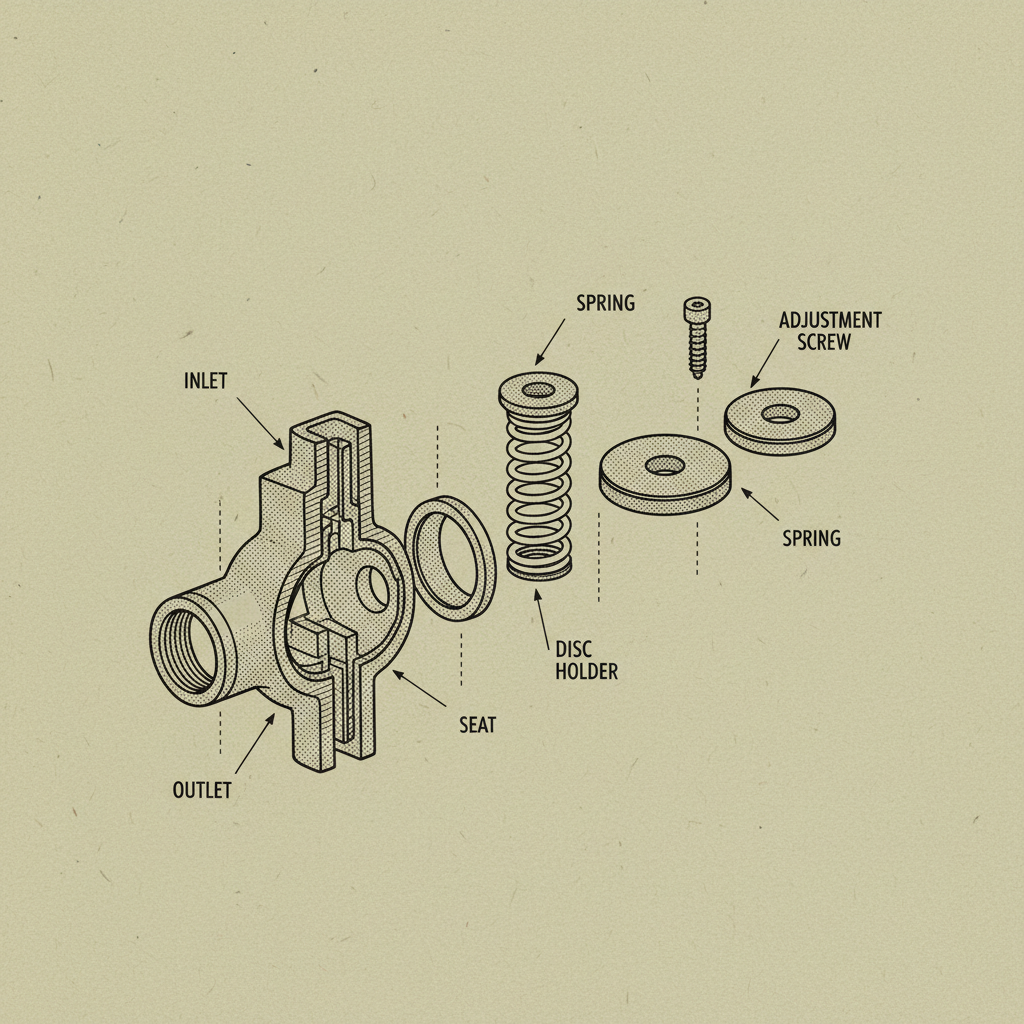
The Role of OEM Safety Valves in Industrial Safety
OEM safety valves are specifically designed and manufactured to meet the exacting requirements of original equipment manufacturers. Unlike generic alternatives, they are tailored to the precise specifications of the system they protect, ensuring optimal performance and reliability. These valves act as a last line of defense against overpressure, preventing damage to equipment, protecting personnel, and minimizing environmental impact. Proper selection and maintenance of these valves are crucial for upholding operational safety and regulatory compliance.
Benefits of 3D Modeling in Safety Valve Design
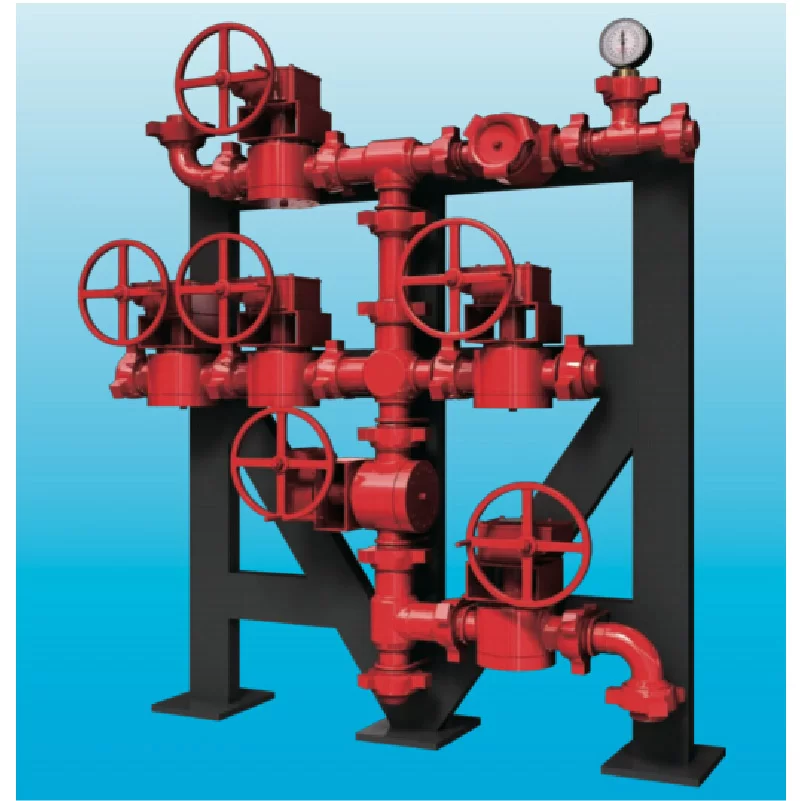
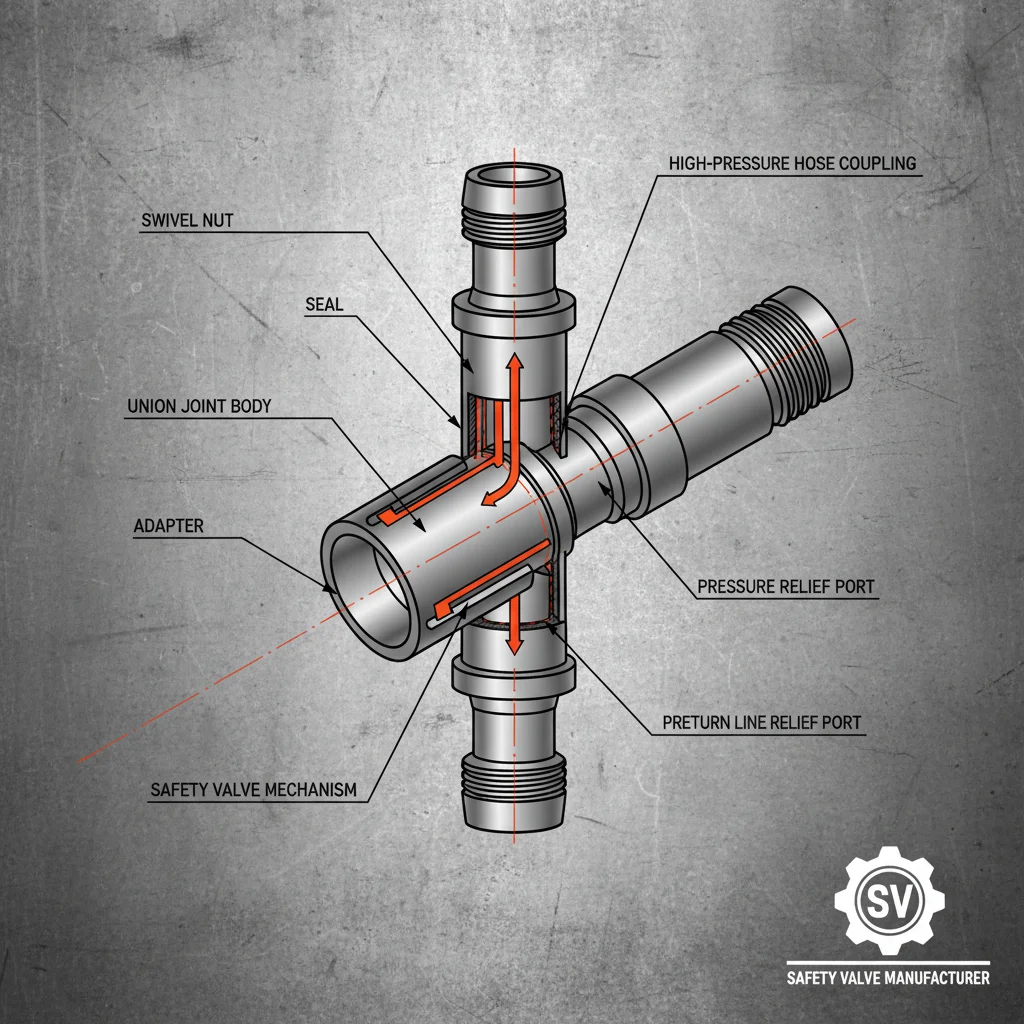
3D modeling allows engineers to create highly detailed and accurate representations of safety valves. This capability extends far beyond traditional 2D drafting, enabling: Improved Visualization: Realistic models provide a clear understanding of the valve's internal components and flow paths. Enhanced Analysis: Finite element analysis (FEA) can be performed on 3D models to simulate stress, strain, and fluid dynamics, optimizing the valve's design for maximum performance. Collision Detection: 3D modeling identifies potential interferences between components, preventing assembly issues and ensuring smooth operation. Faster Design Iterations: Changes can be made quickly and easily in the virtual environment, accelerating the design process.
3D Printing: Revolutionizing Safety Valve Prototyping
Traditionally, prototyping safety valves involved expensive and time-consuming machining processes. 3D printing, also known as additive manufacturing, offers a transformative alternative. This technology builds parts layer by layer from a digital design, allowing for rapid creation of prototypes at a fraction of the cost. HRZZ Parts utilizes advanced 3D printing techniques to produce functional prototypes for testing and validation, significantly reducing time-to-market.
Key Advantages of 3D Printing for Prototyping: Faster turnaround times, Reduced prototyping costs, Design flexibility, Material versatility, Ability to create complex geometries.
OEM Safety Valve 3D: Materials and Performance Considerations
The selection of materials for 3D-printed safety valve components is critical. While various materials are available, including plastics, metals, and composites, factors such as pressure ratings, temperature requirements, and fluid compatibility must be carefully considered. HRZZ Parts specializes in utilizing high-performance materials like stainless steel and nickel alloys, ensuring the 3D-printed valves meet or exceed industry standards. Understanding material properties and conducting thorough testing are crucial steps in the validation process.
| Material | Advantages | Applications |
|---|---|---|
| Stainless Steel (316L) | Corrosion resistance, high strength, durability | High-pressure applications, corrosive environments |
| Nickel Alloy (Inconel 718) | Exceptional high-temperature strength, corrosion resistance | Extreme temperature and pressure applications |
| Reinforced Polymers | Lightweight, cost-effective, good chemical resistance | Low-to-medium pressure applications |
Looking Ahead: The Future of Safety Valves with 3D Technology
The integration of 3D modeling and printing is poised to further transform the safety valve industry. Future advancements may include the development of fully 3D-printed safety valves, optimized designs based on artificial intelligence, and on-demand manufacturing capabilities. HRZZ Parts remains committed to embracing these innovations to deliver cutting-edge solutions that enhance safety, reliability, and efficiency for our customers. By combining expertise in valve technology with the power of 3D manufacturing, we are shaping the future of pressure relief protection.
Conclusion: Embracing 3D Innovation for Enhanced Safety
Leveraging 3D technology in the design and manufacturing of OEM safety valves offers significant advantages in terms of precision, customization, and speed. HRZZ Parts is dedicated to providing innovative and reliable safety solutions, and we are proud to be at the forefront of this technological revolution. Invest in quality and safety – choose HRZZ Parts.
Frequently Asked Questions (FAQs)
What are the limitations of using 3D printing for safety valve components?
While 3D printing offers numerous benefits, it's important to acknowledge its limitations. Current 3D printing processes may have limitations in terms of surface finish and material properties compared to traditional manufacturing methods. Certain complex geometries might require support structures during printing, which need to be removed post-process. Production volume can also be a constraint, as 3D printing is generally more cost-effective for low-to-medium production runs. However, advancements in 3D printing technology are continually addressing these limitations.
How does HRZZ Parts ensure the quality and reliability of 3D-printed safety valves?
HRZZ Parts implements a rigorous quality control process that includes material testing, dimensional inspections, and non-destructive testing methods to ensure the integrity and performance of our 3D-printed safety valves. We adhere to strict industry standards and conduct thorough validation testing to verify that our products meet or exceed customer expectations. Our experienced engineers oversee the entire process, from design to manufacturing to quality assurance.
What types of safety valves are suitable for 3D printing?
A variety of safety valve types can benefit from 3D printing, including spring-loaded safety valves, pilot-operated safety valves, and relief valves. However, the suitability of 3D printing depends on the valve's complexity, size, and operating conditions. Components such as valve bodies, cages, and internal parts are particularly well-suited for 3D printing. HRZZ Parts evaluates each valve design to determine the optimal manufacturing approach.
What is the lead time for a custom 3D-printed safety valve from HRZZ Parts?
The lead time for a custom 3D-printed safety valve varies depending on the complexity of the design, material requirements, and current production schedule. Generally, we can provide a prototype within 2-4 weeks and production parts within 4-8 weeks. We work closely with our customers to establish realistic timelines and ensure timely delivery. Contact our team for a specific quote and lead time estimate for your project.