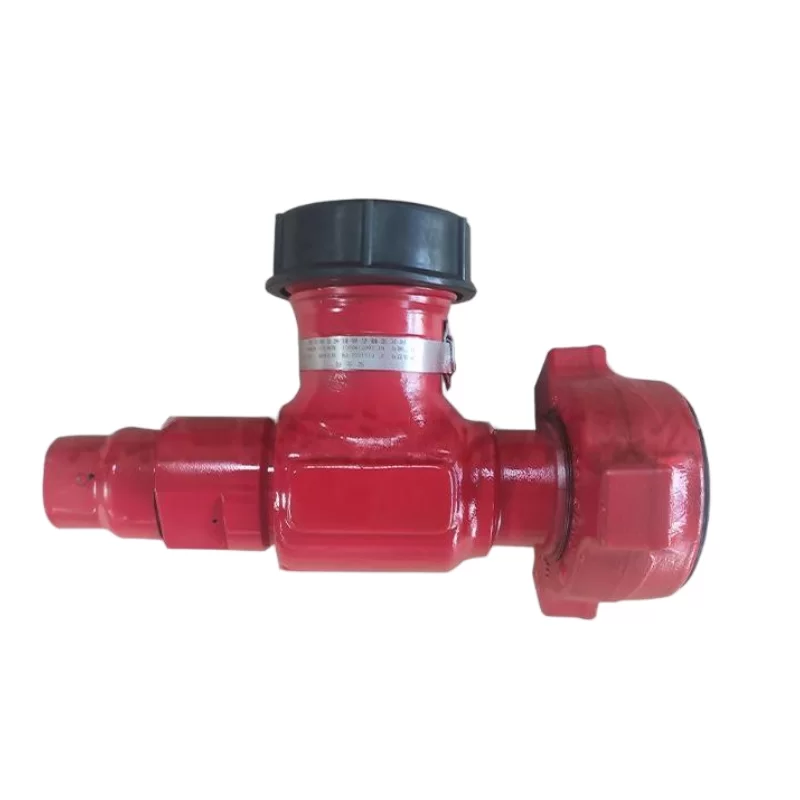
Choosing the Right Plug Type Valve Manufacturer for Industrial Excellence
In the demanding world of fluid control, the reliability of your hardware can be the difference between seamless operation and costly downtime. Finding a professional plug type valve Manufacturer is essential for industries dealing with corrosive media, high-pressure environments, and slurry handling. Plug valves are renowned for their tight sealing capabilities and quarter-turn efficiency, making them indispensable in oil, gas, and chemical processing. This guide explores the technical nuances of plug valves and how to identify a manufacturing partner that meets global quality standards to ensure your infrastructure remains secure and efficient.

The Engineering Edge of a Top Plug Type Valve Manufacturer
A premier plug type valve Manufacturer doesn't just produce hardware; they provide engineered solutions. The core of a plug valve's performance lies in the precision of the plug's taper and the quality of the seating material. Whether it is a lubricated or non-lubricated design, the manufacturing process must ensure a bubble-tight shut-off to prevent leaks. Advanced manufacturers utilize CNC machining and rigorous pressure testing to guarantee that every unit can withstand extreme thermal expansion and mechanical stress. By focusing on material science, they ensure that the valve body can resist oxidation and chemical erosion over decades of service.
Industry Insight: The shift toward PTFE-lined plug valves has allowed manufacturers to serve the pharmaceutical and food industries, where purity and corrosion resistance are non-negotiable.
Comparing Plug Valve Types: Lubricated vs. Non-Lubricated
When consulting with a plug type valve Manufacturer, the first decision is usually between lubricated and non-lubricated designs. Lubricated plug valves use a sealant to reduce friction and ensure a tight seal, making them ideal for high-pressure applications. Conversely, non-lubricated (or sleeved) valves utilize a soft seat, such as PTFE, which eliminates the need for periodic greasing and is preferred in clean-room environments. Understanding these differences is key to optimizing your system's maintenance cycle and operational cost.
| Feature | Lubricated Plug Valve | Non-Lubricated (Sleeved) |
|---|---|---|
| Seal Mechanism | Grease/Lubricant Film | PTFE/Soft Sleeve |
| Maintenance | Requires Periodic Greasing | Maintenance-Free Seal |
| Pressure Rating | Very High | Moderate to High |
| Best Application | Dirty/Slurry Media | Pure/Corrosive Chemicals |
Critical Quality Standards for a Plug Type Valve Manufacturer
When vetting a plug type valve Manufacturer, certifications are the only objective way to verify quality. ISO 9001 is a baseline, but for high-risk environments, API (American Petroleum Institute) standards are crucial. These standards dictate the wall thickness, material composition, and testing protocols that prevent catastrophic failures. A reputable manufacturer will provide Material Test Reports (MTRs) for every batch, ensuring that the alloys used are exactly as specified in the engineering drawings, thereby preventing premature corrosion in acidic environments.

Application Versatility of High-Performance Plug Valves
The versatility of products from a leading plug type valve Manufacturer allows them to be deployed across diverse sectors. In the oil and gas sector, they are used for pigging and venting operations due to their full-bore capability. In wastewater treatment, their ability to handle suspended solids without clogging makes them superior to globe or gate valves. Furthermore, in the chemical industry, the use of exotic materials like Hastelloy or Monel ensures that the valves can handle highly aggressive reagents without degrading, guaranteeing a long operational life.
Technical Specifications: What to Expect from a Professional Manufacturer
To ensure you are purchasing from a world-class plug type valve Manufacturer, you should analyze the technical data sheets. Key parameters include the pressure-temperature rating, the torque requirements for actuation, and the leak rate (often measured by API 598). Precision-engineered valves offer lower operating torque, which reduces wear on actuators and extends the life of the valve stem. Below are the typical specifications for industrial-grade plug valves:
| Parameter | Industrial Specification |
|---|---|
| Body Materials | WCB, CF8M, Alloy Steel, Hastelloy |
| Seat Material | PTFE, RPTFE, PEEK, Metal-to-Metal |
| Pressure Classes | Class 150, 300, 600, 900, 1500, 2500 |
| Operation | Manual Lever, Gear-operated, Pneumatic/Electric Actuated |
Conclusion: Partnering with a Reliable Plug Type Valve Manufacturer
Selecting a high-quality plug type valve Manufacturer is an investment in the safety and longevity of your industrial operations. By prioritizing certifications, material integrity, and technical support, you can significantly reduce operational risks and maintenance costs. Whether you need a lubricated valve for heavy slurry or a PTFE-sleeved valve for chemical purity, choosing a partner like HRZZ Parts ensures that you receive precision-engineered components that exceed industry expectations. Optimize your flow control today with the right expertise.
Frequently Asked Questions (FAQs)
How do I choose between a plug valve and a ball valve?
While both are quarter-turn valves, a plug valve is generally superior when handling thick slurries or highly corrosive fluids because the plug design minimizes the "dead space" where particles can collect. Ball valves often offer better sealing at extremely high pressures, but a professional plug type valve Manufacturer can design a plug valve that rivals ball valves in seal integrity while offering better resistance to abrasive media. Your choice should depend on the fluid viscosity and the required frequency of operation.
What is the typical maintenance schedule for lubricated plug valves?
Lubricated plug valves require the injection of sealant/lubricant to maintain a tight seal and reduce friction between the plug and the body. The schedule depends on the cycle frequency; valves that are operated daily may need lubrication weekly, while those used for isolation may only need it quarterly. A top-tier manufacturer often provides specialized lubricant guns and specific sealant grades to ensure the valve's longevity and leak-proof performance.
Can plug valves be automated for remote operation?
Yes, most plug valves are designed to be compatible with various actuators. Depending on the torque requirements, you can utilize pneumatic, hydraulic, or electric actuators. This is particularly useful in hazardous environments where manual operation is risky. When working with a plug type valve Manufacturer, you can specify the actuator type during the ordering process to ensure a perfect fit and seamless integration with your SCADA or PLC control systems.
What materials are best for corrosive chemical applications?
For highly corrosive environments, we recommend valves with a PTFE or PFA lining. These fluoropolymers are virtually inert to most chemicals. If the application involves high temperatures and corrosion, exotic alloys such as Hastelloy, Monel, or Titanium are the gold standard. A professional manufacturer will help you analyze the chemical composition of your media to suggest the exact alloy or lining that prevents pitting and stress corrosion cracking.