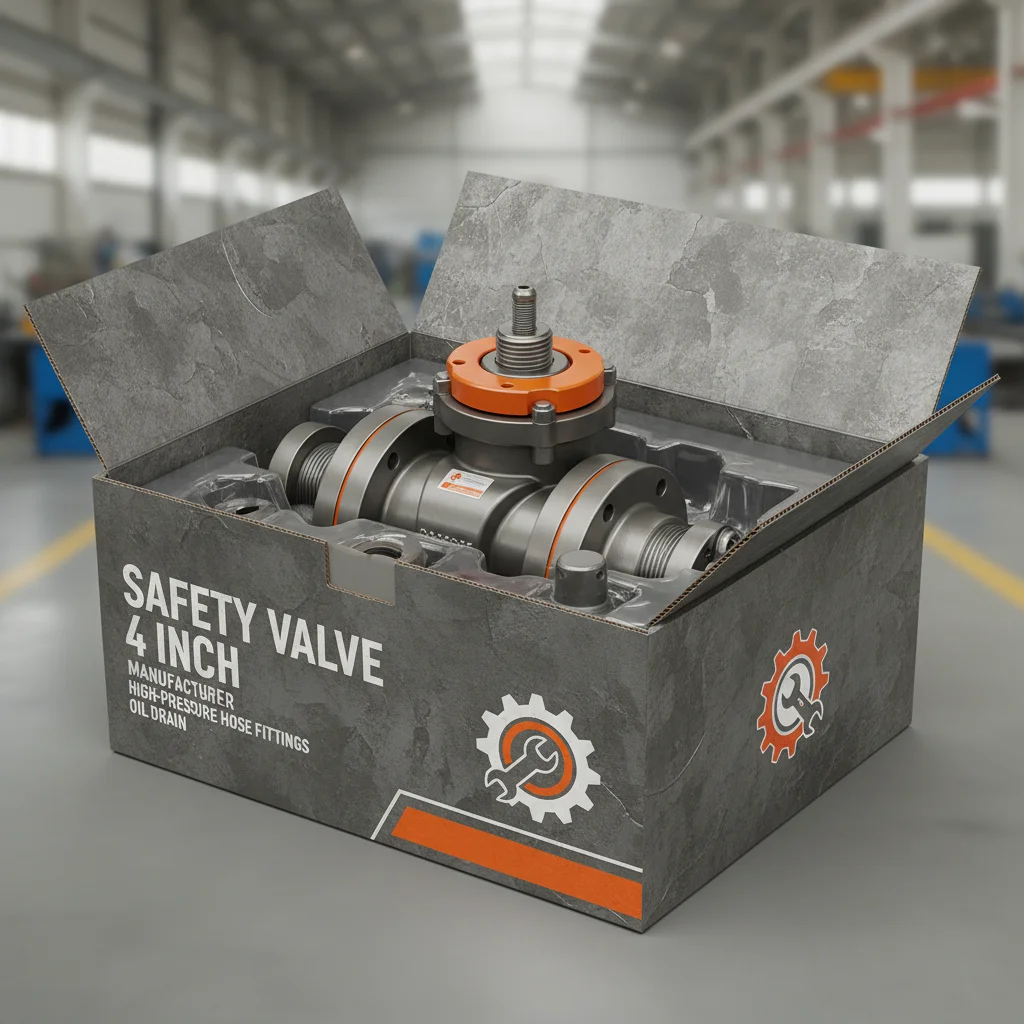
Understanding OEM Plug Valve Sleeves: A Comprehensive Guide
In the demanding world of fluid handling, plug valves play a crucial role in providing reliable on/off control. However, the sleeve within the valve, the OEM plug valve sleeve, is a critical component often requiring replacement due to wear and tear. This article delves into the world of OEM plug valve sleeves, covering their function, materials, sourcing, and the benefits of choosing genuine OEM parts. Whether you're a maintenance professional, an engineer, or a procurement specialist, this guide will provide valuable insights into ensuring optimal valve performance and longevity.
The Core Function of an OEM Plug Valve Sleeve
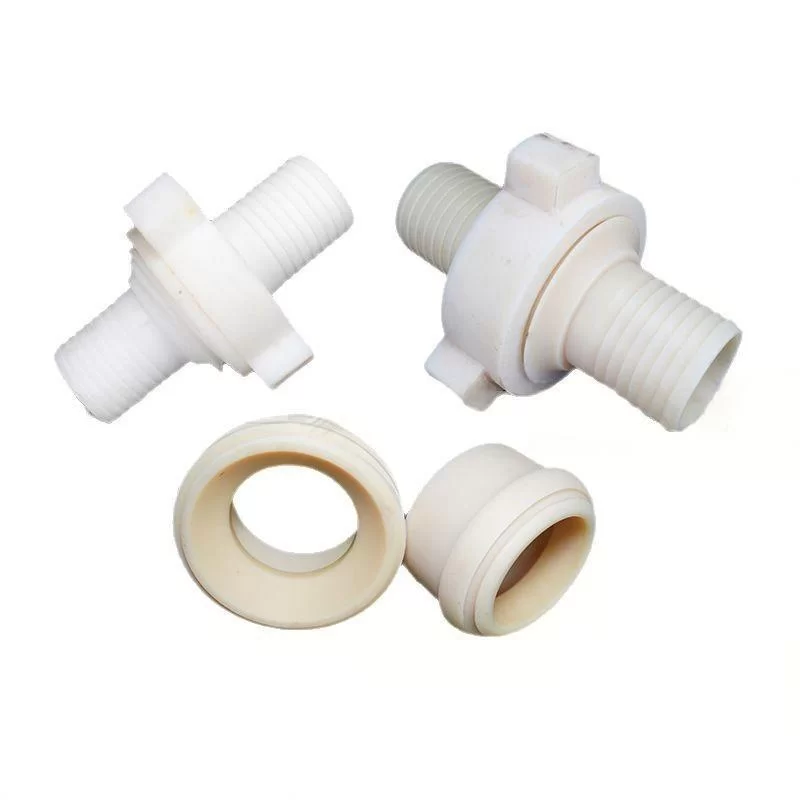
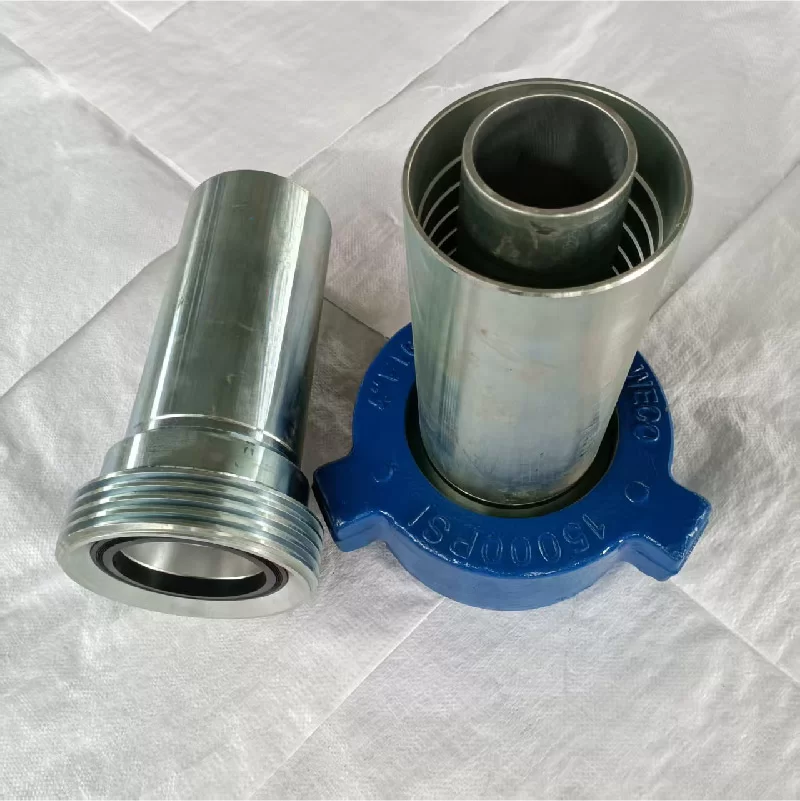
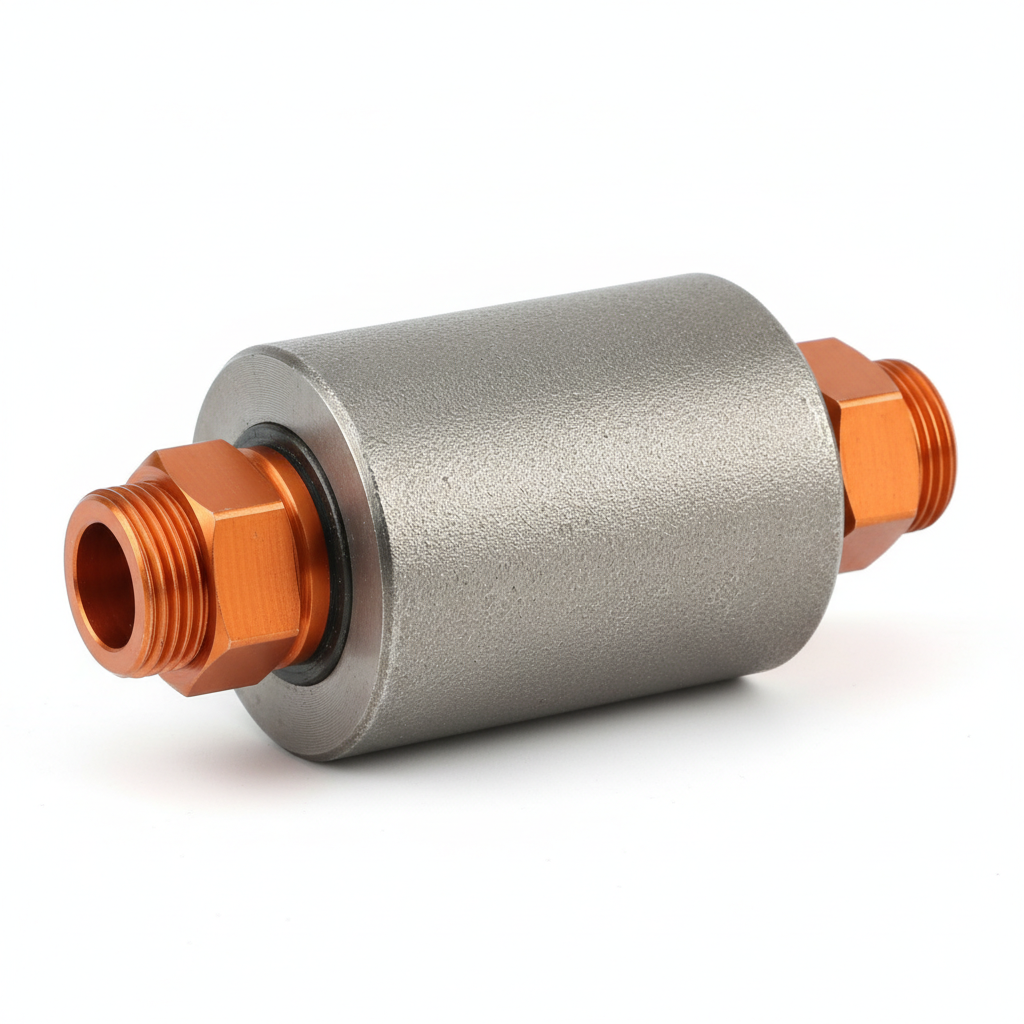
The plug valve sleeve serves as the sealing element within the valve body. It provides a tight shut-off, preventing leakage and ensuring process integrity. As the plug rotates, the sleeve's precisely engineered surface interacts with the plug to create a leak-proof seal. Over time, this interaction leads to wear, particularly in abrasive media or high-cycle applications. Regular inspection and replacement of the sleeve are essential to maintain valve performance and prevent costly downtime. The OEM plug valve sleeve is designed for a perfect fit and optimal sealing within the specific valve model.
Key Takeaway: The sleeve's integrity is paramount to valve functionality. Its role in maintaining a leak-proof seal directly impacts process efficiency and safety.
Materials Commonly Used in OEM Plug Valve Sleeves
Plug valve sleeves are manufactured from a variety of materials, each offering specific advantages depending on the application. Common materials include:
- PTFE (Polytetrafluoroethylene): Excellent chemical resistance and low friction, ideal for corrosive fluids.
- RPTFE (Reinforced PTFE): Offers increased strength and dimensional stability compared to standard PTFE.
- PEEK (Polyether Ether Ketone): High temperature resistance and excellent mechanical properties.
- Polypropylene: Good chemical resistance and cost-effective for less demanding applications.
- Stainless Steel: Used in high-temperature or high-pressure applications requiring robust mechanical strength.
The selection of the appropriate material is crucial for ensuring sleeve longevity and compatibility with the process fluid.
Material Selection Considerations:
• Chemical compatibility with the process fluid
• Operating temperature and pressure
• Abrasiveness of the media
• Required service life
OEM vs. Aftermarket Plug Valve Sleeves: What's the Difference?
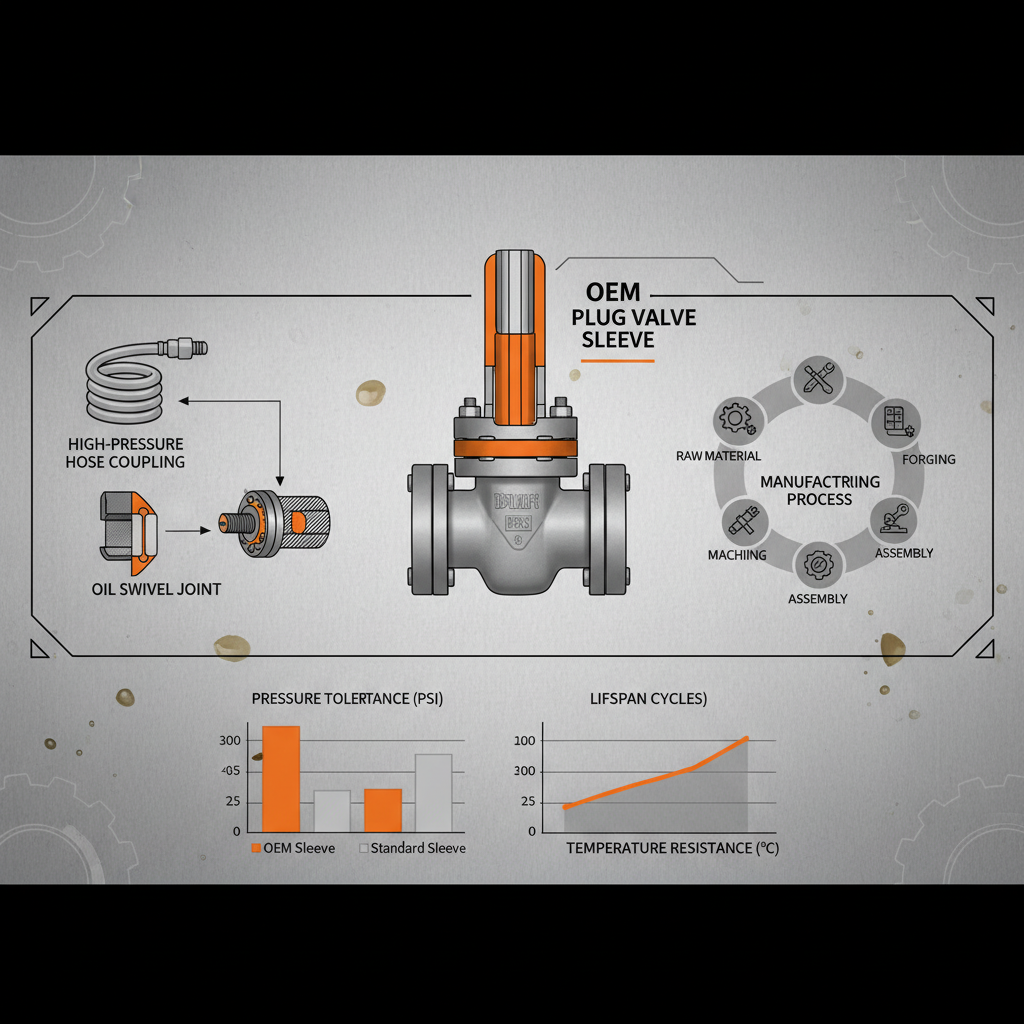
While aftermarket sleeves may appear cost-effective, choosing an OEM plug valve sleeve offers significant advantages. OEM sleeves are manufactured to the exact specifications of the original valve design, ensuring a perfect fit and optimal sealing performance. Aftermarket sleeves, conversely, may have dimensional variations or be made from inferior materials, leading to leaks, premature wear, and potential valve failure. The long-term costs associated with these issues often outweigh the initial savings of using an aftermarket part.
| Feature | OEM Sleeve | Aftermarket Sleeve |
|---|---|---|
| Dimensional Accuracy | Precise, meets original specifications | Potential for variations, may not fit perfectly |
| Material Quality | High-quality, tested for compatibility | Variable, may use inferior materials |
| Performance | Optimal sealing and long service life | Potential for leaks and premature failure |
Sourcing Reliable OEM Plug Valve Sleeves
Choosing a reputable supplier is vital when sourcing OEM plug valve sleeves. Look for suppliers who can guarantee the authenticity of their products and provide documentation verifying their OEM status. HRZZ Parts is a trusted source for genuine OEM plug valve sleeves, offering a wide range of sizes and materials to meet your specific needs. We prioritize quality and reliability, ensuring that our customers receive parts that deliver optimal performance and longevity.
Preventive Maintenance and Sleeve Replacement Schedules
Implementing a preventative maintenance program that includes regular inspection of plug valve sleeves can significantly reduce downtime and prevent unexpected failures. The frequency of sleeve replacement will depend on the application and operating conditions. However, as a general guideline, consider the following:
- Routine Inspection: Visually inspect sleeves during scheduled maintenance for signs of wear, cracking, or damage.
- Preventative Replacement: Replace sleeves on a time-based schedule (e.g., annually or bi-annually) to prevent failures, particularly in critical applications.
- Condition-Based Replacement: Replace sleeves when inspection reveals signs of significant wear or leakage.
Consulting with valve manufacturers or experienced maintenance professionals can help establish a tailored maintenance schedule for your specific application.
Conclusion: Ensuring Valve Reliability with OEM Sleeves
Investing in genuine OEM plug valve sleeves is a proactive step towards ensuring valve reliability, minimizing downtime, and maximizing process efficiency. By choosing quality parts and implementing a comprehensive maintenance program, you can safeguard your operations and protect your bottom line. Don't compromise on performance – choose HRZZ Parts for all your plug valve sleeve needs.
Frequently Asked Questions (FAQs)
What are the common causes of plug valve sleeve failure?
Several factors can contribute to plug valve sleeve failure, including abrasive media, high operating temperatures, excessive pressure, and improper installation. Chemical incompatibility between the sleeve material and the process fluid can also cause degradation and failure. Regular inspection and preventative maintenance are crucial for identifying and addressing these issues before they lead to downtime. Using an OEM plug valve sleeve manufactured to precise specifications helps mitigate these risks.
How do I determine the correct sleeve material for my application?
Selecting the correct sleeve material requires careful consideration of the process fluid's chemical composition, operating temperature, and pressure. PTFE is a good choice for corrosive fluids, while PEEK offers high-temperature resistance. Consulting the chemical compatibility charts provided by sleeve manufacturers, or reaching out to HRZZ Parts for expert advice, is highly recommended. Providing details about your application will ensure you receive the most appropriate material for optimal performance and longevity.
What tools are required for replacing a plug valve sleeve?
The tools required for sleeve replacement vary depending on the valve design. Generally, you'll need a socket set, wrenches, a screwdriver, and potentially specialized tools for removing retaining rings or locking mechanisms. A clean work area and appropriate safety equipment, such as gloves and eye protection, are also essential. It's crucial to follow the valve manufacturer's instructions for proper disassembly and reassembly.
Where can I find detailed specifications for OEM plug valve sleeves?
Detailed specifications for OEM plug valve sleeves are typically available from the valve manufacturer or their authorized distributors. HRZZ Parts provides comprehensive specifications for all our sleeves, including material composition, dimensions, and pressure ratings. We can also assist you in identifying the correct sleeve for your specific valve model.