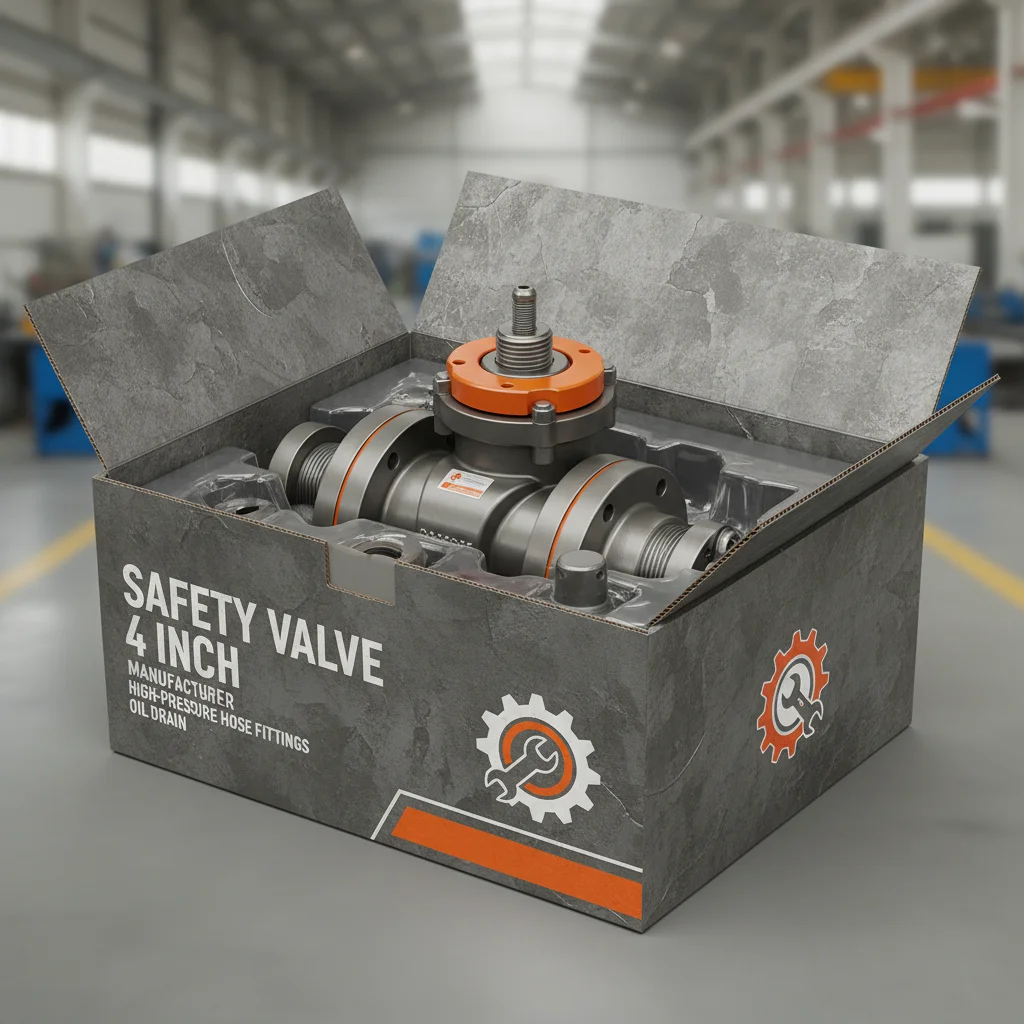
OEM Safety Valve 3/8: A Comprehensive Guide
In many industrial applications, maintaining pressure within safe limits is crucial for operational efficiency and safety. An OEM safety valve 3/8 acts as a critical safety component, preventing overpressure situations. This article will explore the functionality, applications, and key considerations when selecting and implementing these valves. Understanding these valves is paramount for engineers, technicians, and procurement specialists ensuring the safe and reliable operation of fluid systems. We will also discuss how HRZZ Parts provides high-quality solutions for your safety valve needs.
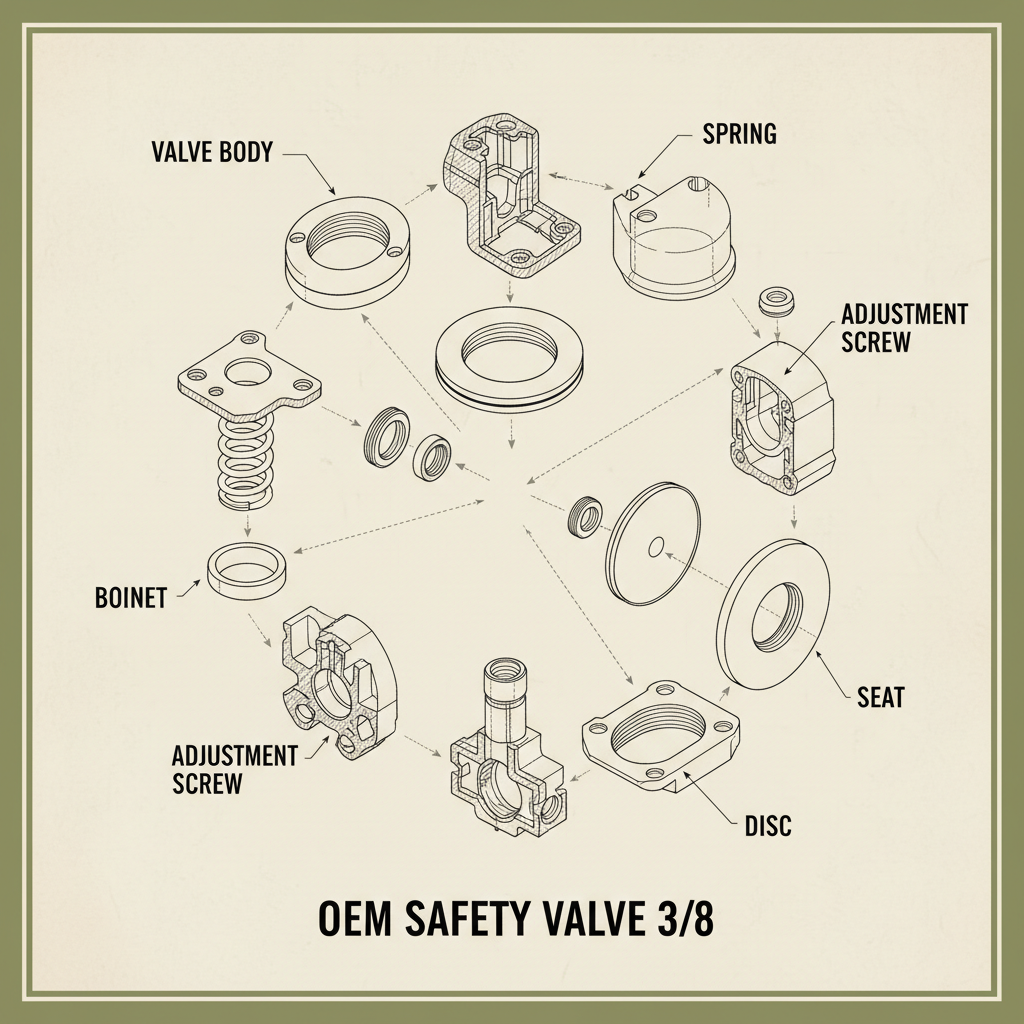
Understanding OEM Safety Valves
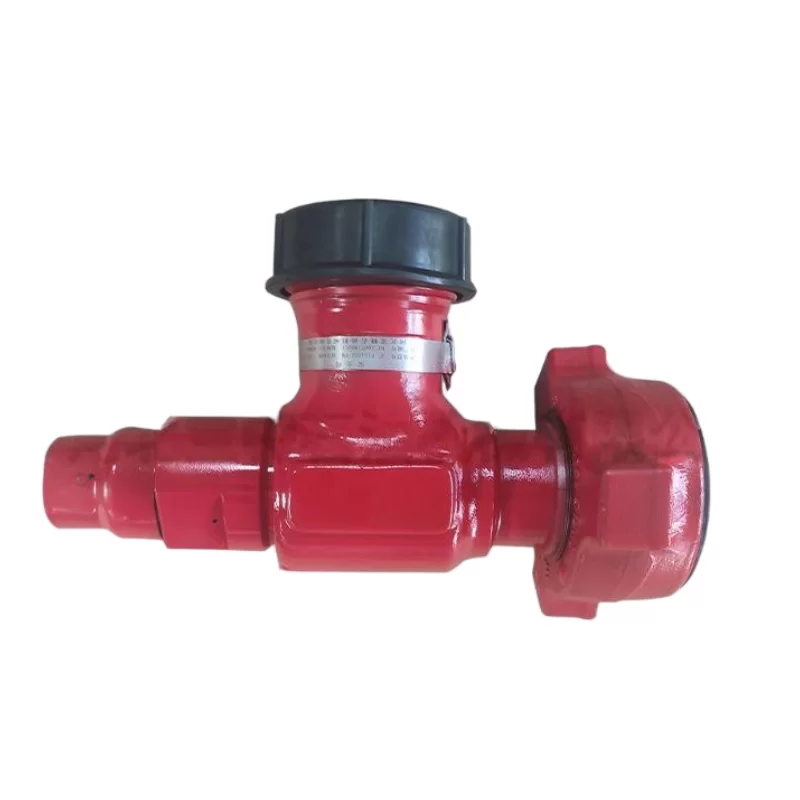
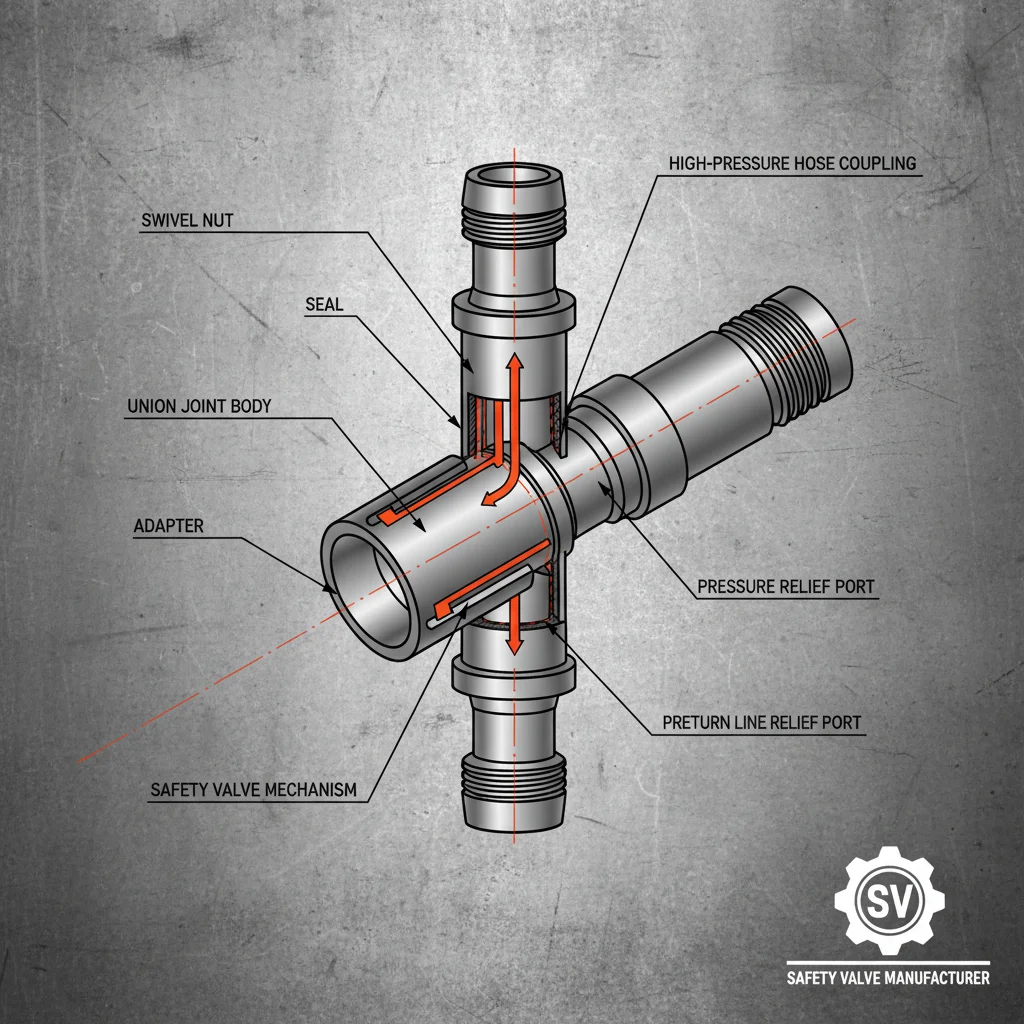
An OEM (Original Equipment Manufacturer) safety valve is specifically designed and manufactured for integration into larger systems. Unlike generic valves, OEM valves are often custom-engineered to meet precise specifications, ensuring optimal performance and compatibility. A 3/8" size indicates the valve’s port diameter, influencing its flow capacity and suitability for specific applications. These valves are crucial in protecting equipment and personnel from the dangers of overpressure. They automatically relieve excess pressure, preventing damage to pipelines, vessels, and other components.
Key Benefits: Precision engineering for optimal integration, reliable overpressure protection, enhanced safety, and potentially extended equipment lifespan.
Applications of OEM Safety Valve 3/8
The OEM safety valve 3/8 finds application across a broad spectrum of industries. Common uses include pressure relief in hydraulic systems, pneumatic systems, compressors, pumps, and process equipment. Specific sectors benefiting from their use include oil and gas, chemical processing, power generation, and manufacturing. The 3/8" size makes it ideal for systems requiring moderate flow rates and compact designs.
Common Application Areas:
• Hydraulic Power Units
• Pneumatic Control Systems
• Compressor Discharge Lines
• Process Vessels and Pipelines
Key Specifications and Materials for Safety Valves
Selecting the right OEM safety valve 3/8 requires careful consideration of its specifications. Key factors include the valve’s set pressure (the pressure at which it begins to open), its flow capacity, the materials of construction, and the type of connection. Common materials include brass, stainless steel, and carbon steel, chosen based on the fluid compatibility and operating environment. Furthermore, it’s vital to consider the valve’s certification and compliance with relevant industry standards (e.g., ASME, ISO).
| Specification | Typical Value |
|---|---|
| Port Size | 3/8" |
| Set Pressure Range | 50-300 PSI (varies by model) |
| Materials | Brass, Stainless Steel, Carbon Steel |
| Connection Type | NPT, BSPT, SAE |
Choosing the Right Safety Valve: Factors to Consider
Selecting the optimal OEM safety valve 3/8 demands careful evaluation. Consider the fluid being handled (compatibility is key!), the system's operating pressure range, potential fluctuations, and the required flow capacity. Additionally, the ambient temperature and any corrosive elements should influence material selection. Proper sizing is critical; an undersized valve won’t provide adequate protection, while an oversized valve can lead to instability. Partnering with a reputable supplier like HRZZ Parts provides access to expert guidance and quality products.
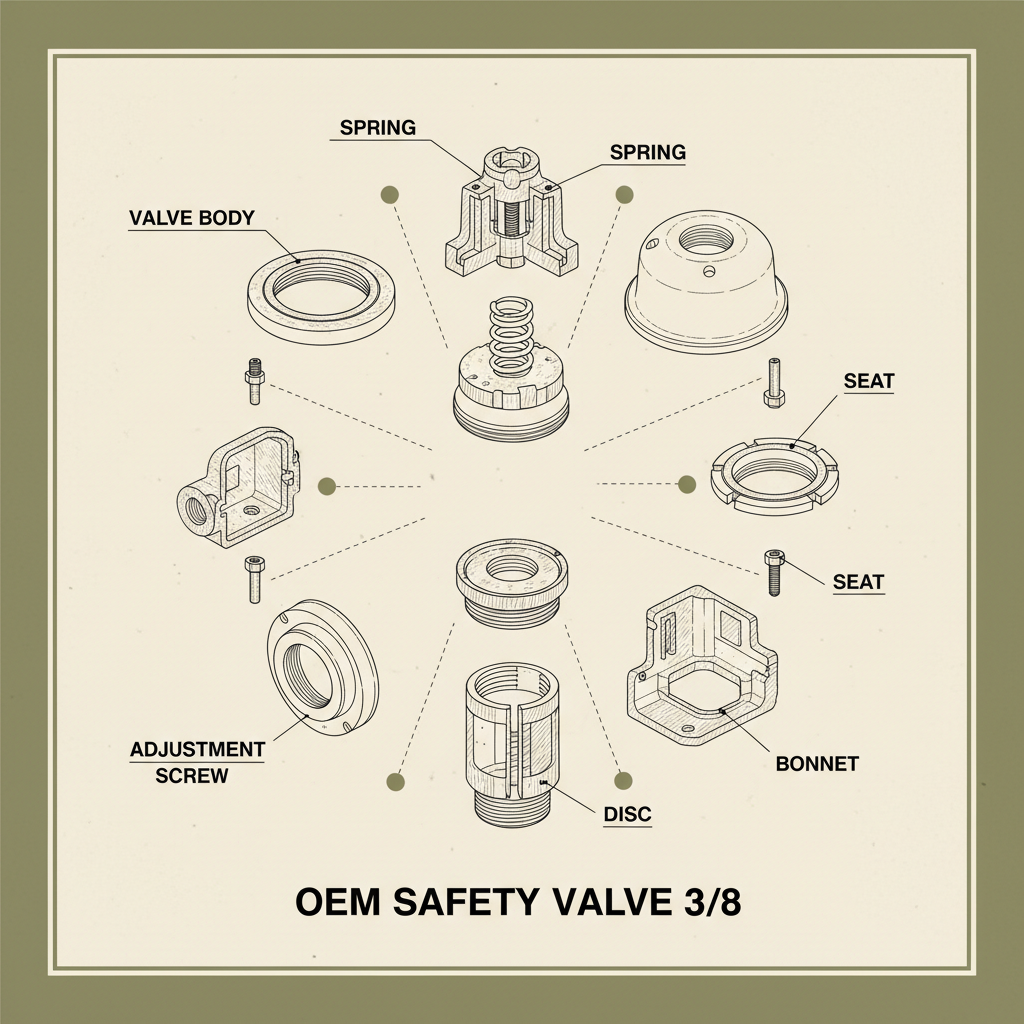
HRZZ Parts: Your Trusted Safety Valve Provider
At HRZZ Parts, we specialize in providing high-quality OEM safety valves, including the 3/8" size, to meet diverse industrial needs. We offer a comprehensive range of materials, set pressures, and connection types, ensuring you find the perfect solution for your application. Our commitment to quality, competitive pricing, and responsive customer support makes us a preferred partner for businesses seeking reliable safety valve solutions.
Conclusion: Ensuring Safety with HRZZ Parts
Investing in a high-quality OEM safety valve 3/8 from HRZZ Parts is a proactive step towards safeguarding your operations and personnel. We deliver reliable products, expert support, and a commitment to your safety. Contact us today to discuss your specific needs and find the perfect safety valve solution.
Frequently Asked Questions (FAQs)
What is the recommended maintenance schedule for safety valves?
Regular inspection and testing are vital for ensuring the reliable operation of safety valves. A minimum annual inspection is recommended, including a visual check for corrosion, damage, and proper seating. Pressure testing should be conducted every few years, or as dictated by regulatory requirements or internal safety protocols. Maintaining detailed records of inspections and tests is crucial. Consider a preventative maintenance program to identify and address potential issues before they lead to failures. Consulting the valve manufacturer's guidelines and industry best practices will help determine the optimal maintenance schedule for your specific application.
How do I determine the correct set pressure for my safety valve?
Determining the correct set pressure requires careful consideration of the system’s maximum allowable working pressure (MAWP) and potential pressure fluctuations. The set pressure should be set slightly below the MAWP, allowing for some margin of safety. Factors like process variations, thermal expansion, and potential surges must be accounted for. It’s crucial to consult with a qualified engineer to accurately calculate the appropriate set pressure. Incorrectly setting the pressure can lead to either premature valve opening or inadequate protection during overpressure events.
What are the common causes of safety valve failure?
Several factors can contribute to safety valve failure. Corrosion, particularly in harsh environments, is a common issue. Contamination from debris or process fluids can also impede valve operation. Improper installation, such as incorrect sizing or piping configuration, can also lead to failures. Finally, lack of regular maintenance and testing can cause valves to malfunction. Addressing these potential causes through proper selection, installation, maintenance, and periodic testing is essential for ensuring reliable valve performance.
Does HRZZ Parts offer custom safety valve solutions?
Yes, HRZZ Parts offers custom safety valve solutions to meet specific application requirements. We can modify existing designs or develop entirely new valves tailored to your unique needs. Our engineering team can assist with material selection, set pressure adjustment, and connection type customization. Contact us to discuss your project and receive a tailored quote.