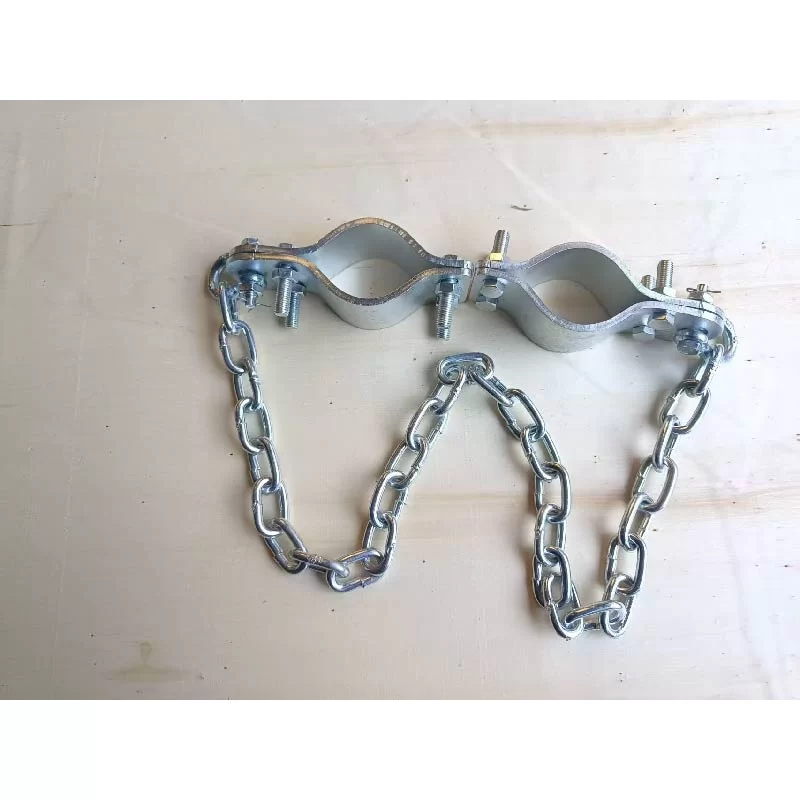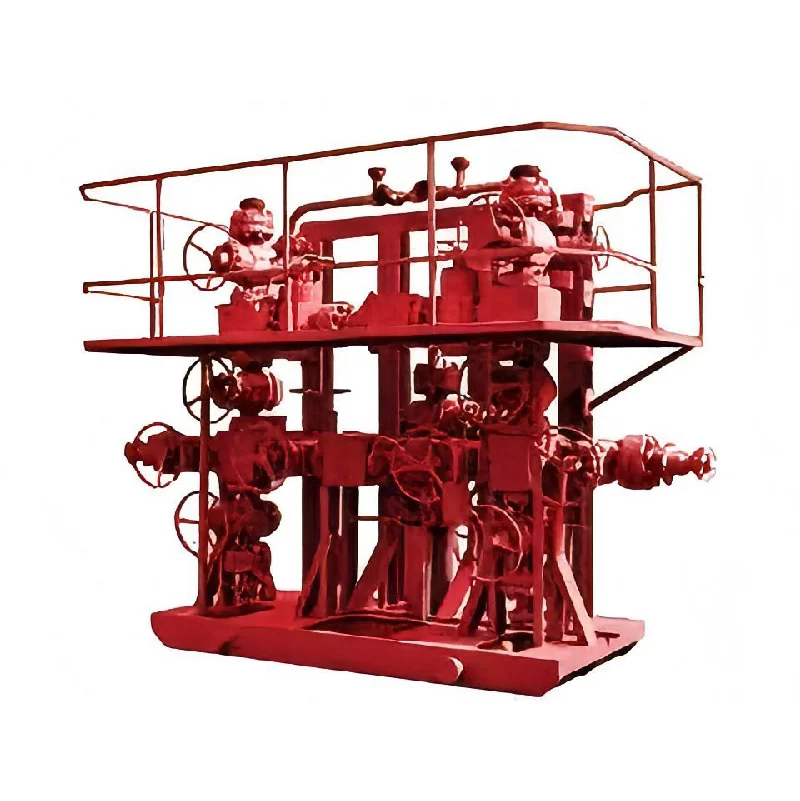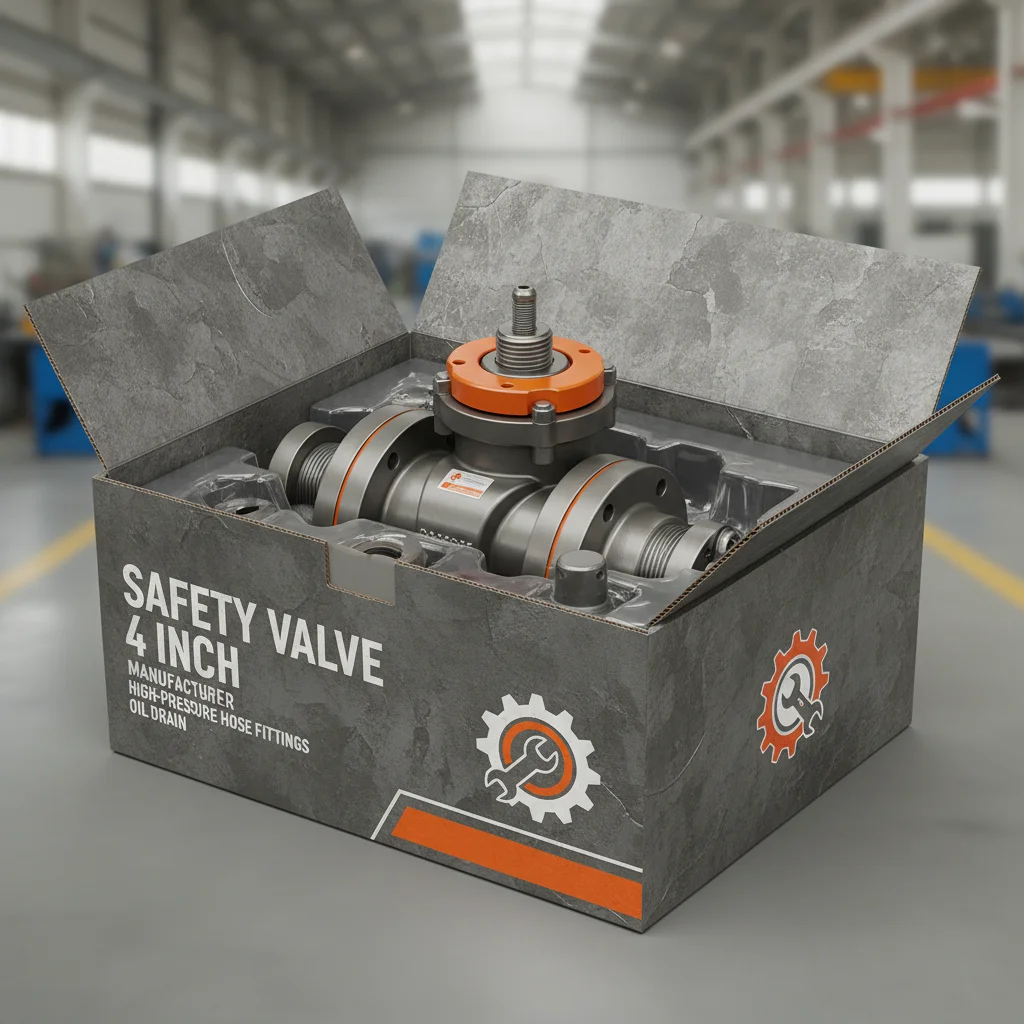
In modern oilfield development, cementing and fracturing operations demand equipment that can withstand extreme pressure, corrosive media, and continuous mechanical movement. As wells become deeper and operating conditions more complex, the role of api Cementing And Fracturing Accessories has become increasingly critical. These accessories ensure safe fluid transfer, precise pressure control, and long-term operational reliability throughout cementing, stimulation, and completion processes.
Among the most widely used components are Chiksan Swivel Joint, Equipment elbows For Oil Applications, and various specialized swivel joint designs that allow flexibility without compromising system integrity. This article explores how these components function, their structural advantages, and why API-compliant designs are essential for oilfield performance.
Api Cementing And Fracturing Accessories and Chiksan Swivel Joint Applications
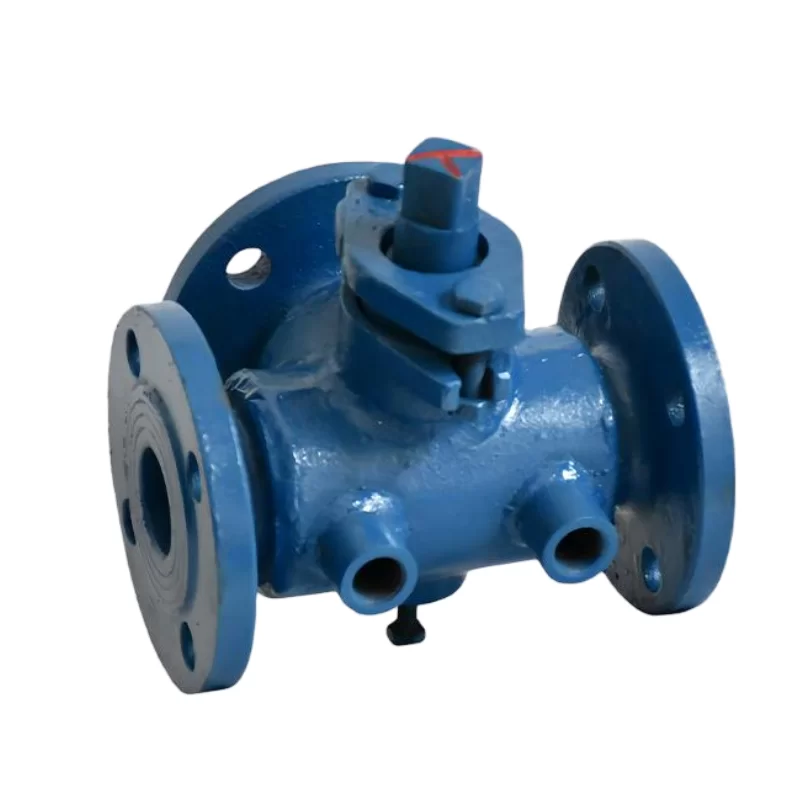
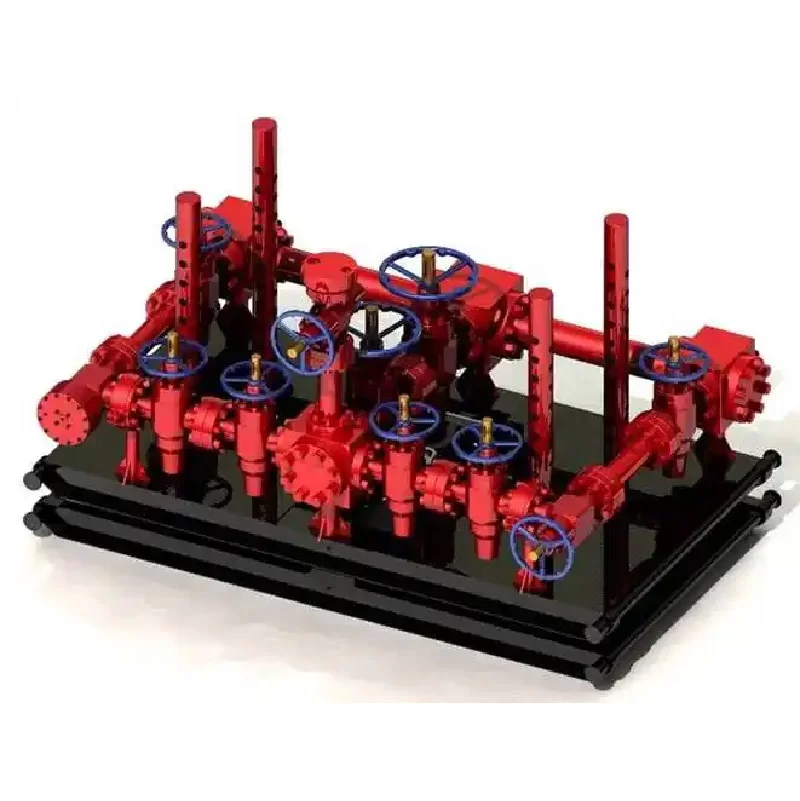
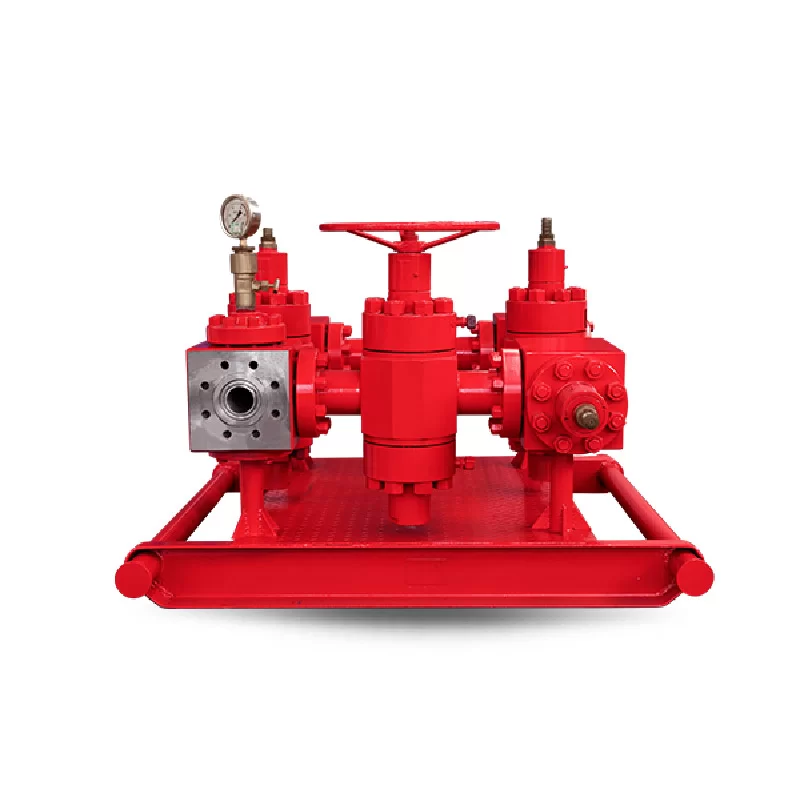
Api Cementing And Fracturing Accessories are engineered to connect, redirect, and control high-pressure fluid flow during critical oilfield operations. These accessories are commonly installed in surface manifolds, cementing lines, fracturing trees, and temporary flow systems where both strength and adaptability are required.
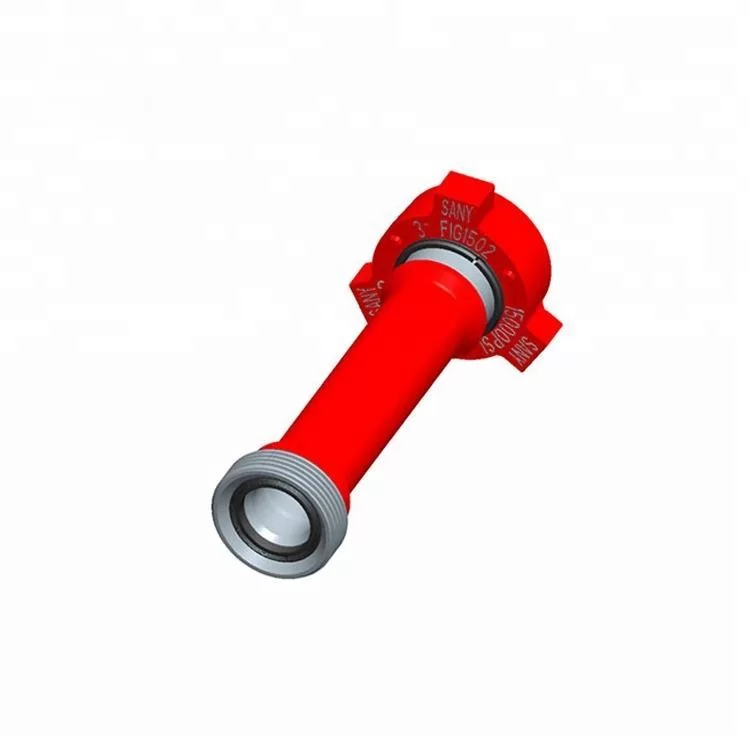
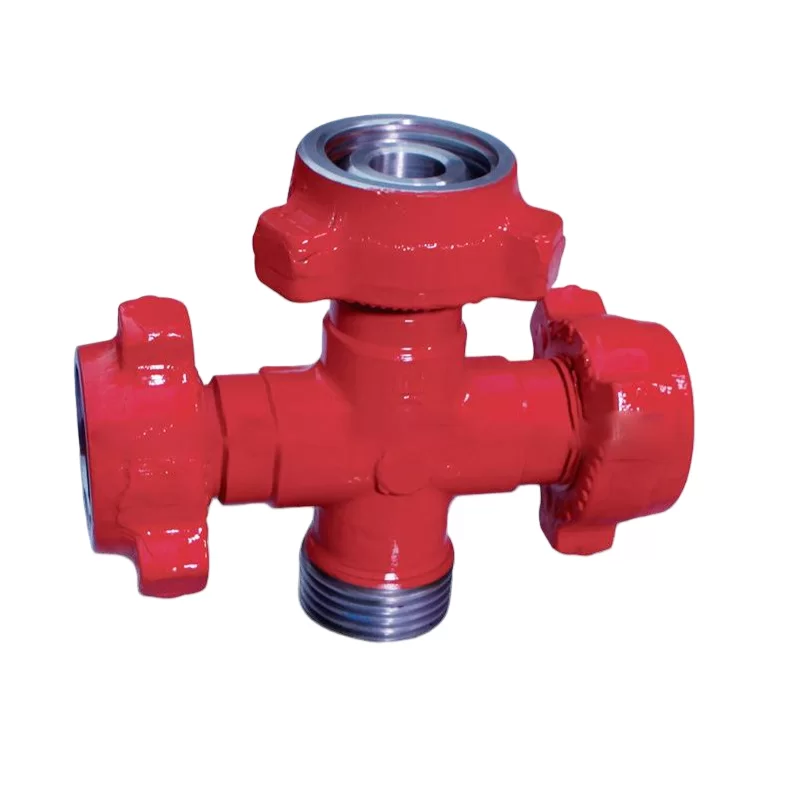
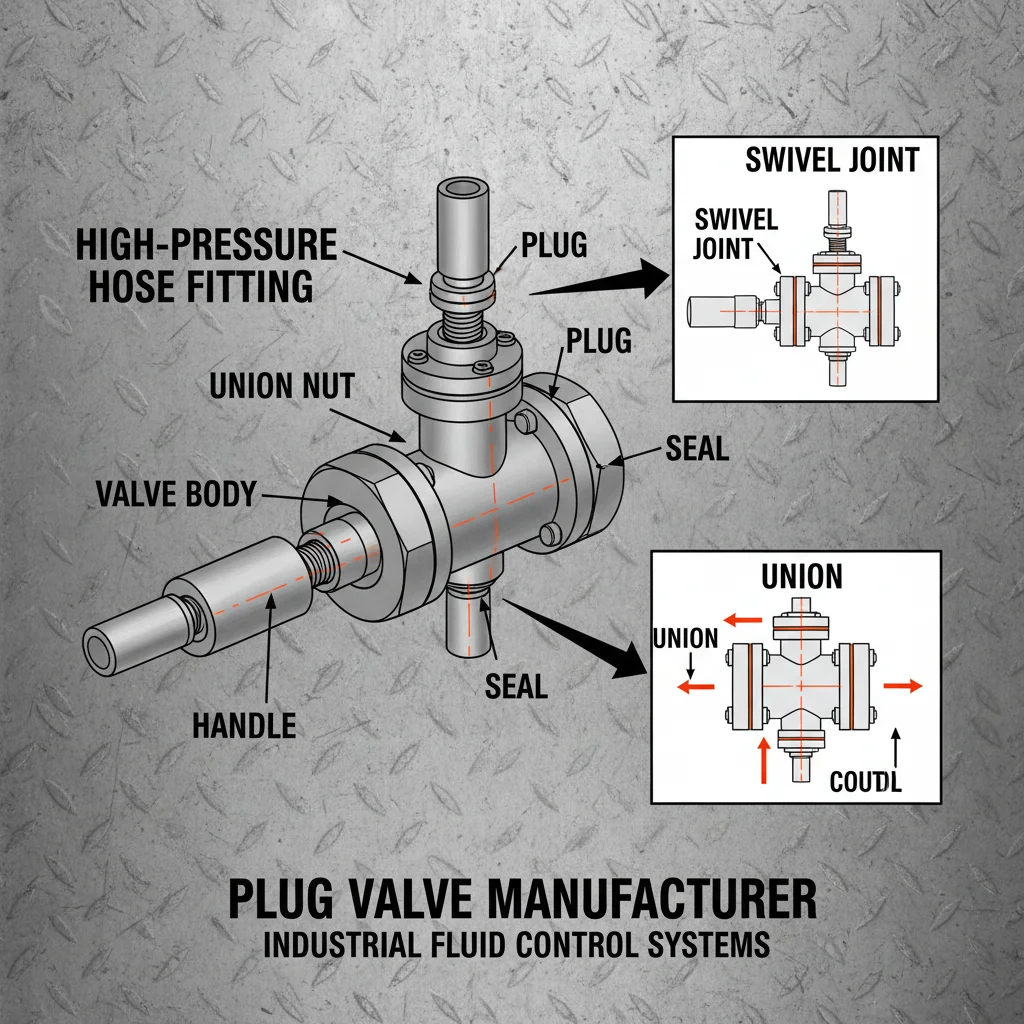
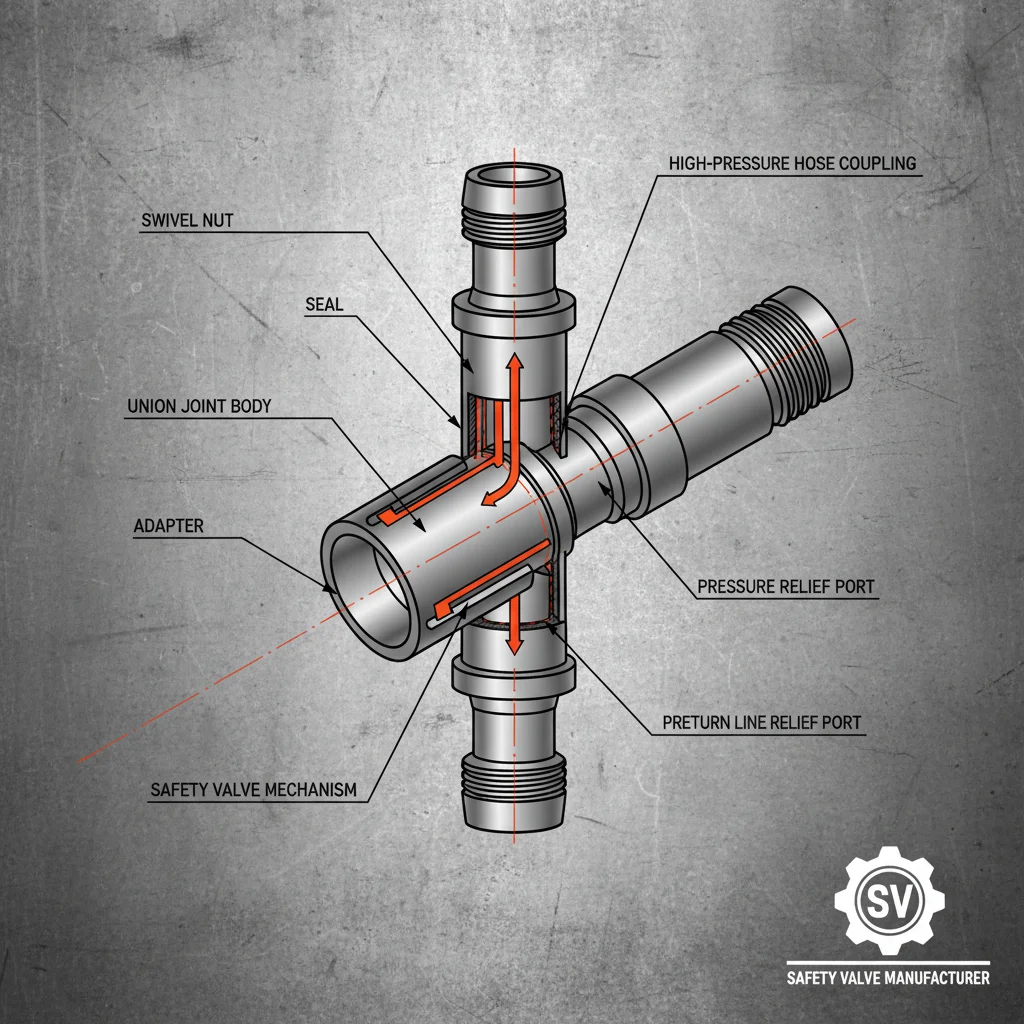
The Chiksan Swivel Joint is one of the most important components in this category. It is designed to allow rotational and angular movement between connected pipelines while maintaining a reliable pressure seal. During cementing and fracturing, vibration, thermal expansion, and alignment changes are unavoidable. A Chiksan Swivel Joint absorbs these stresses, reducing mechanical load on rigid piping systems and minimizing the risk of leaks or structural failure.
Another essential component is Equipment elbows For Oil Applications, which enable directional changes in high-pressure pipelines. These elbows are not simple fittings; they are precision-engineered to handle extreme internal pressure, abrasive fluids, and repeated load cycles. When combined with swivel joints, they form a flexible flow path that improves safety and operational efficiency.
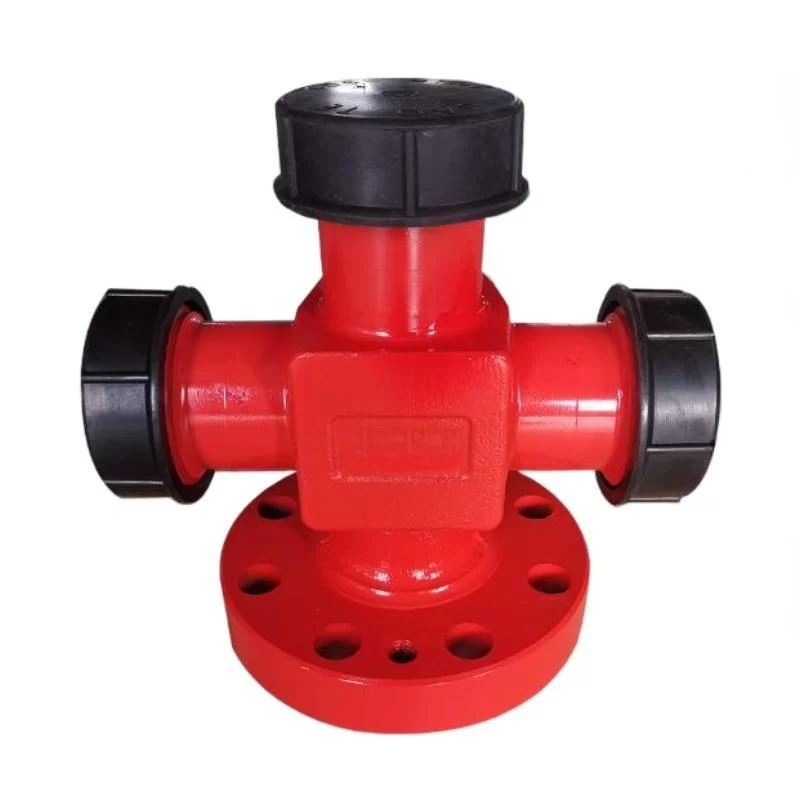
Different structural designs are available to suit various installation requirements. The equal Shape Swivel Joint is commonly used where symmetrical load distribution is needed, ensuring uniform stress across the joint body. For more complex layouts, the head Model Swivel Joint provides enhanced sealing performance and structural reinforcement at connection points exposed to higher torsional forces.
Painted Swivel Joint for Oil Applications and Structural Design Options
Surface protection is another key factor in oilfield equipment performance. A painted Surface Swivel Joint is designed with specialized industrial coatings that protect against corrosion, chemical exposure, and harsh environmental conditions. These coatings extend service life, reduce maintenance costs, and improve overall reliability in both onshore and offshore applications.
A painted Swivel Joint For Oil Applications is particularly suitable for cementing and fracturing operations where equipment is frequently exposed to drilling fluids, fracturing chemicals, and outdoor weather conditions. High-quality paint systems also improve visibility on site, enhancing operational safety and inspection efficiency.
Structural design plays a major role in selecting the right swivel joint. The round Head Swivel Joint is widely used due to its smooth geometry, which reduces stress concentration and improves fluid flow characteristics. Its rounded head design allows for smoother rotation and better sealing under dynamic pressure conditions.
In contrast, the head Model Swivel Joint is often chosen for heavy-duty applications where higher pressure ratings and reinforced connections are required. Both designs can be integrated with Equipment elbows For Oil Applications to create customized flow systems tailored to specific cementing and fracturing requirements.
When combined, api Cementing And Fracturing Accessories, Chiksan Swivel Joint, and painted Swivel Joint For Oil Applications form a complete solution for high-pressure oilfield operations. These components are manufactured in accordance with API standards, ensuring consistent quality, dimensional accuracy, and performance under extreme working conditions.
As cementing and fracturing operations continue to evolve, the importance of reliable, flexible, and API-compliant equipment cannot be overstated. Api Cementing And Fracturing Accessories provide the foundation for safe and efficient high-pressure fluid handling, while components such as Chiksan Swivel Joint, Equipment elbows For Oil Applications, and specialized swivel joint designs ensure adaptability in demanding environments.
From the corrosion protection of a painted Surface Swivel Joint to the structural efficiency of a round Head Swivel Joint, each component plays a vital role in maintaining system integrity. Selecting the right combination of API-compliant accessories is essential for improving safety, extending equipment life, and maximizing operational efficiency in oilfield cementing and fracturing projects.
FAQ: Api Cementing And Fracturing Accessories and Chiksan Swivel Joint
1. What are api Cementing And Fracturing Accessories used for?
Api Cementing And Fracturing Accessories are used to connect, control, and redirect high-pressure fluid flow during cementing, fracturing, and well stimulation operations in oilfields.
2. Why is a Chiksan Swivel Joint important in oilfield operations?
A Chiksan Swivel Joint allows rotation and angular movement in high-pressure pipelines, reducing stress caused by vibration and misalignment while maintaining a secure pressure seal.
3. What is the function of Equipment elbows For Oil Applications?
Equipment elbows For Oil Applications enable directional changes in high-pressure flow systems while maintaining strength, sealing performance, and resistance to wear and corrosion.
4. What is the advantage of a painted Swivel Joint For Oil Applications?
A painted Swivel Joint For Oil Applications offers enhanced corrosion resistance, longer service life, and improved visibility, making it suitable for harsh oilfield environments.
5. How do round Head Swivel Joint and head Model Swivel Joint differ?
A round Head Swivel Joint provides smooth rotation and reduced stress concentration, while a head Model Swivel Joint is designed for higher pressure ratings and reinforced structural strength.