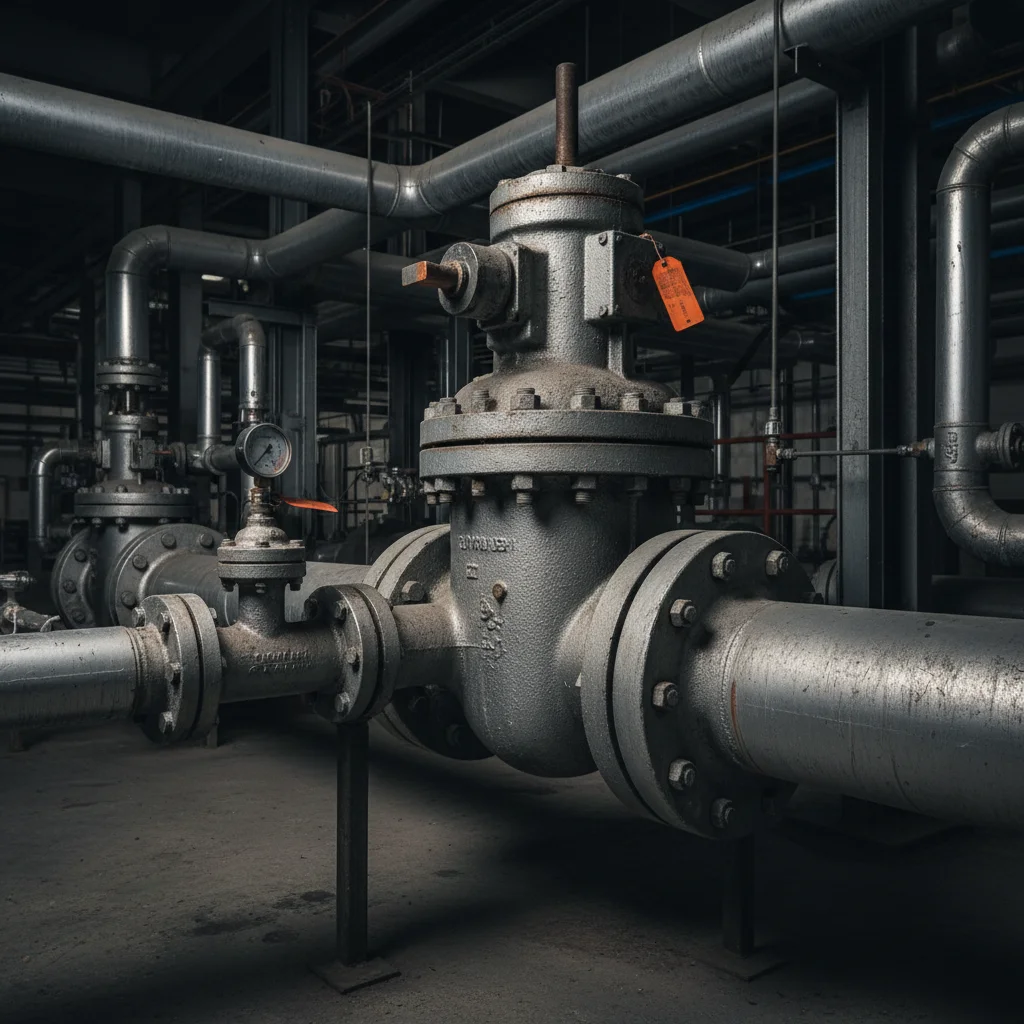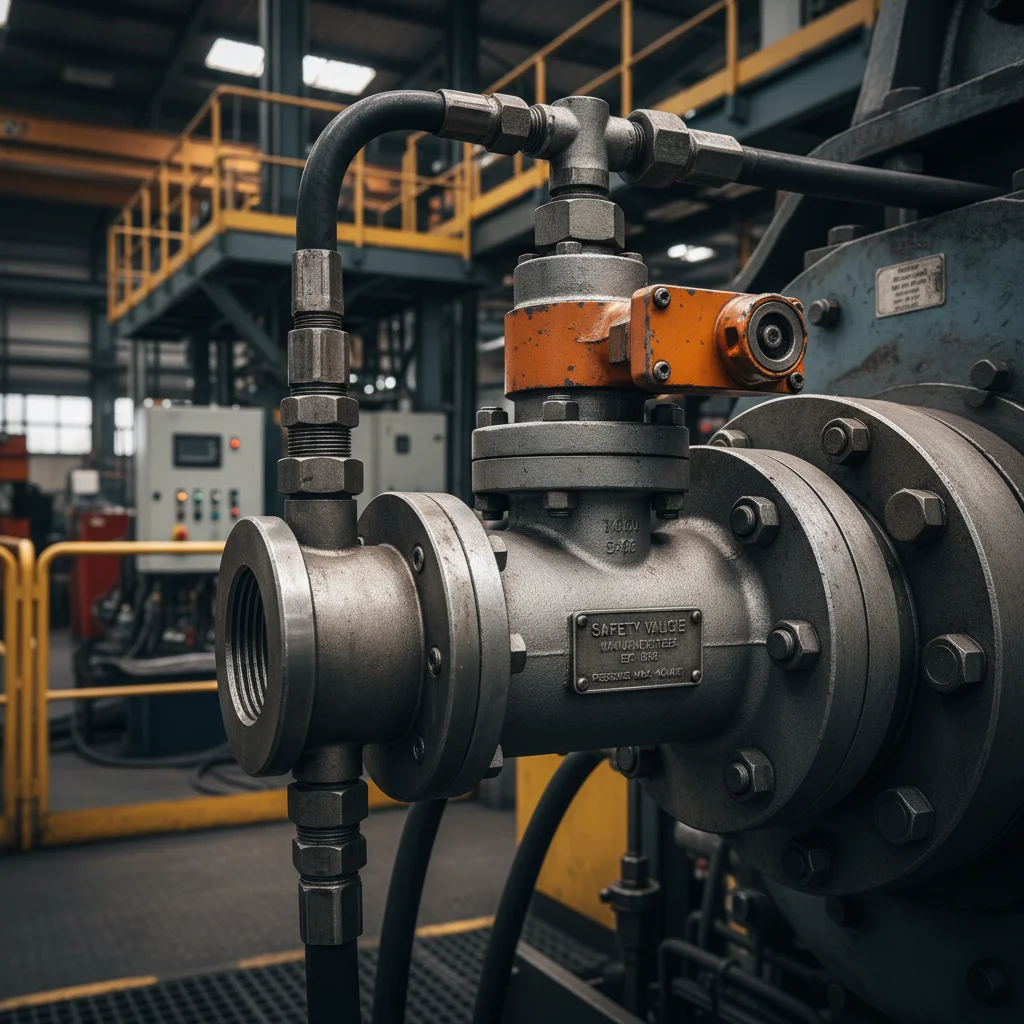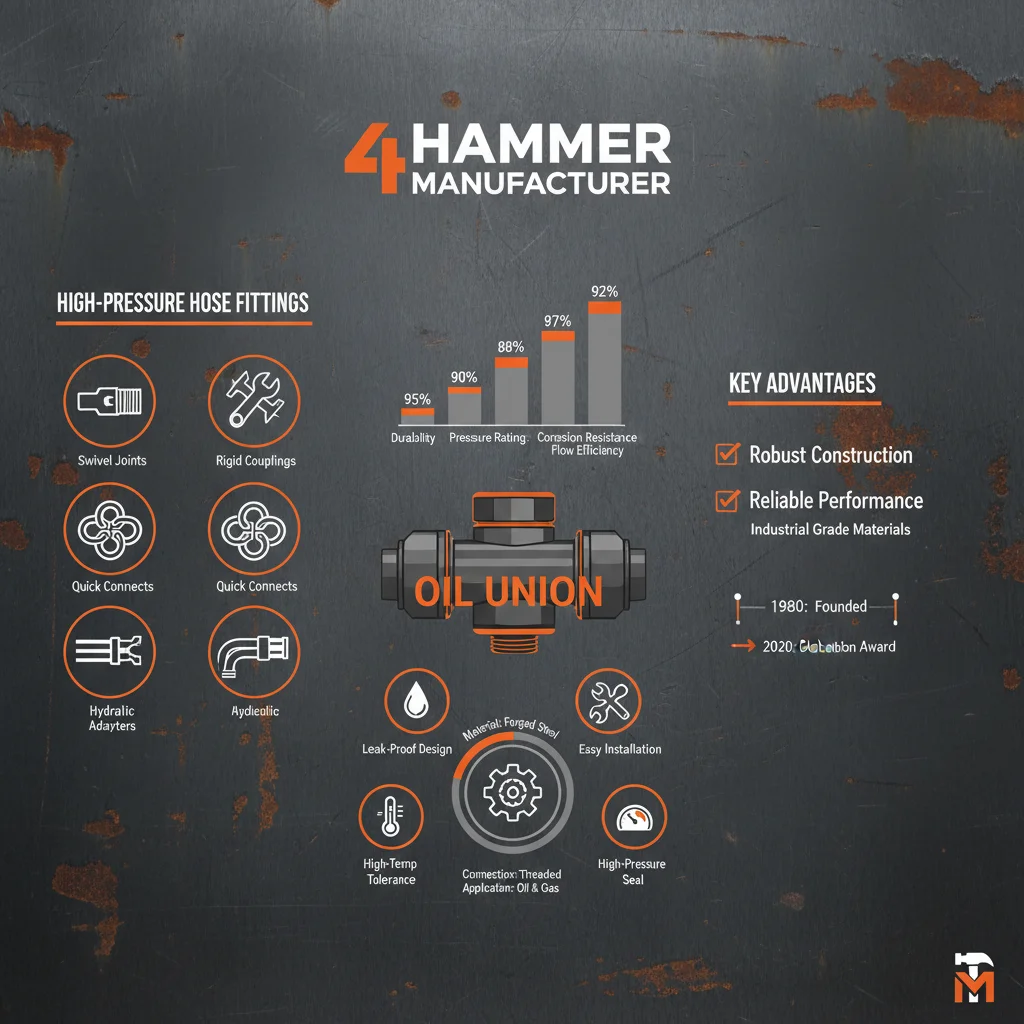
In the high-stakes environment of well-control operations, the integrity of pressure-containing components is the only barrier between a successful drilling mission and a catastrophic blowout. The demand for high-precision components has led operators to seek a specialized hammer fittings Manufacturer capable of delivering components that survive the intersection of extreme pressure and corrosive fluids.
The primary engineering challenge lies in the transition zones of the manifold, where fluid dynamics shift rapidly during kill operations. When injecting high-density fluids to suppress uncontrolled reservoir pressure, any minor failure in a fitting or union connection can result in critical leakages, compromising the safety of the entire rig crew and the surrounding environment.
This analysis examines the technical requirements for high-pressure manifold fittings, the criticality of API specifications in blowout prevention, and how integrated systems like the API Oil Kill Manifold optimize safety. By understanding the interplay between material science and connection architecture, procurement engineers can better evaluate the reliability of their wellhead control infrastructure.

Manifold Architecture and Pressure Containment

The fundamental architecture of an API Oil Kill Manifold is designed to serve as a high-pressure bridge between the pumping system and the wellbore. By utilizing high-grade alloy steel, the system ensures that the structural integrity is maintained even when subjected to working pressures ranging from 35 MPa up to 105 MPa.
The containment strategy relies on a combination of precision-machined internals and robust external housings. This architectural approach minimizes the risk of stress corrosion cracking, particularly in environments where sulfide stress cracking is a concern, ensuring the system performs as a reliable safety valve during emergency kill operations.
Critical Specifications for Well-Kill Hardware
Engineering specifications for well-kill hardware are not merely guidelines but survival parameters. For a professional hammer fittings Manufacturer, adhering to API specifications ensures that nominal diameters (typically 2" to 3") can handle the volumetric flow of heavy mud without inducing excessive turbulence or pressure drops.
Temperature ratings are equally critical. Hardware engineered for reliability from -29℃ to 121℃ allows for seamless transition between arctic offshore platforms and desert onshore rigs. This thermal resilience prevents seal contraction in extreme cold and material degradation in high-heat environments, maintaining the seal integrity of every union connection.
Furthermore, compliance with NACE MR0175 is mandatory for sour gas operations. By utilizing specific alloy grades that resist H2S environments, manufacturers prevent the sudden, brittle failure of fittings that often occurs when standard carbon steel is exposed to sulfide-rich fluids under high tension.
The Role of Union Connections in Rapid Deployment
In a well-control emergency, every minute spent on assembly increases the risk of an uncontrolled blowout. The transition from threaded connections to advanced union-style fittings has revolutionized the speed at which kill manifolds are deployed on the rig floor.
From an engineering perspective, these connections must maintain a zero-leakage tolerance at 105 MPa. This is achieved through precise mating surfaces and high-strength alloy bolts that ensure uniform clamping force across the seal interface, preventing the "washout" effect common in lower-grade fittings.
Engineering Performance Assessment
When evaluating manifold systems, engineers look beyond the maximum pressure rating to assess the operational lifespan and risk mitigation factors. A premium system is measured by its ability to maintain seal integrity over multiple pressure cycles without requiring frequent replacement of the union gaskets.
The following assessment compares standard industrial manifolds against premium API-compliant systems based on normalized engineering ratings. These metrics reflect the trade-off between initial procurement cost and the long-term reduction in operational downtime.
Normalized Engineering Reliability Rating
Operational Deployment in Extreme Environments
Typical deployment scenarios for high-pressure manifolds occur in high-pressure, high-temperature (HPHT) wells where the fluid density is manipulated to maintain primary well control. In these environments, the manifold is integrated into the blowout preventer (BOP) stack, requiring a compact footprint to optimize available space on the drilling rig while ensuring easy access for maintenance.
The integration workflow involves rigorous pressure testing of all union connections before the system is commissioned. By using a modular design, operators can quickly swap out damaged sections of the manifold without dismantling the entire assembly, thereby maintaining a constant state of readiness for kill operations.
Evolution of Blowout Prevention Metallurgy
The shift from basic carbon steel to high-pressure alloy steel represents a significant leap in the reliability of wellhead control. Modern metallurgy focuses on grain refinement and precise alloying to ensure that fittings can withstand the cyclical loading associated with pressure surges without developing micro-fractures.
Future R&D is trending toward the integration of smart sensors within the fitting housings. These sensors would provide real-time telemetry on seal wear and pressure fluctuations, allowing for predictive maintenance rather than scheduled inspections, which further reduces the risk of unexpected failure during critical operations.
As exploration moves into deeper waters and more hostile geological formations, the industry is seeing an increased requirement for components that combine extreme pressure resistance with weight reduction. This necessitates a balance between material thickness and alloy strength to maintain the safety factor while simplifying rig logistics.
Component Selection and Configuration Matrix
Selecting the right manifold configuration depends on the specific pressure profile of the well and the environmental hazards present. A "one size fits all" approach is dangerous in well-control; therefore, procurement must be based on a detailed analysis of the expected maximum shut-in casing pressure (SICP).
The comparison between different configuration profiles reveals how the choice of material and connection type impacts the overall operational lifespan. While basic configurations may suffice for shallow, low-pressure wells, deepwater or sour gas wells mandate high-duty, NACE-compliant setups.
The following matrix provides an engineering framework for selecting the appropriate system profile based on the operational environment and required safety margins.
| Configuration Profile | Pressure Range | Material Grade | Recommended Use Case |
|---|---|---|---|
| Baseline Standard | 35 - 70 MPa | Carbon Steel | Shallow Onshore Wells |
| High-Duty API | 70 - 105 MPa | Alloy Steel | Deep Exploration Rigs |
| Sour Gas (H2S) | 35 - 105 MPa | NACE Compliant | Sulfide-Rich Formations |
| Arctic-Grade | 35 - 105 MPa | Low-Temp Alloy | Offshore Arctic Platforms |
| Precision Compact | 35 - 70 MPa | High-Strength Steel | Space-Constrained Rigs |
| Extreme HPHT | 105 MPa+ | Super Alloy | Ultra-Deep High Pressure |
Technical FAQ
Premium API Kill Manifolds are engineered for high-pressure applications with a working range typically between 35 MPa and 105 MPa. This range ensures that the manifold can handle the extreme pressures encountered during critical well-kill operations without structural failure. It is essential to verify the specific rating of the fittings and valves against the well's maximum expected pressure to maintain a safe engineering margin.
Union connections allow for rapid assembly and disassembly of the manifold system, which significantly reduces the labor intensity for the drilling crew. More importantly, they minimize rig downtime during setup changes or emergency deployments. In a blowout scenario, the ability to quickly and securely connect high-pressure kill lines can be the deciding factor in successfully suppressing uncontrolled pressure and protecting rig personnel.
NACE MR0175 compliance is specifically required for operations in "sour" environments containing hydrogen sulfide (H2S). In these conditions, standard carbon steel is susceptible to sulfide stress cracking, which can lead to catastrophic, brittle failure of fittings. While not necessary for sweet wells, using NACE-compliant alloy steel provides an extra layer of insurance and is standard practice for any rig operating in high-risk geological zones.
Manifolds must be rated for the specific climate of the operation. For instance, a system rated from -29℃ to 121℃ is suitable for both arctic and desert environments. Low-temperature ratings prevent the material from becoming brittle and seals from shrinking, while high-temperature ratings ensure that the alloy and gaskets can withstand the heat of deep-well fluids without losing structural integrity or leaking.
Seal integrity is verified through rigorous hydrostatic pressure testing, where the system is pressurized beyond its working limit to ensure there are no leaks at the union connections or valve seats. Additionally, material certification and digital documentation ensure that all components meet API and NACE international standards. Periodic inspection of seals and gaskets is recommended to prevent wear-induced failures.
The primary maintenance focus is on the seal faces and the integrity of the union nuts. Over time, repeated assembly and disassembly can cause galling or scoring on the mating surfaces, which may lead to leaks under high pressure. Regular lubrication, inspection for mechanical wear, and the timely replacement of gaskets are critical to ensuring the manifold remains reliable for emergency use.
Engineering Synthesis and Final Outlook
The analysis of high-pressure well-control hardware reveals that safety is not derived from a single component, but from the seamless integration of material science, API-compliant architecture, and rapid-deployment mechanisms. The shift toward alloy steel and NACE-compliant fittings has significantly mitigated the risks associated with sour gas and extreme pressure environments.
For operators and procurement managers, the practical implication is clear: the selection of a hammer fittings Manufacturer must be based on a rigorous evaluation of pressure ratings, thermal resilience, and connection reliability. Investing in premium systems like the API Oil Kill Manifold reduces both the probability of failure and the labor intensity of rig operations, ensuring a more resilient and safe drilling infrastructure.