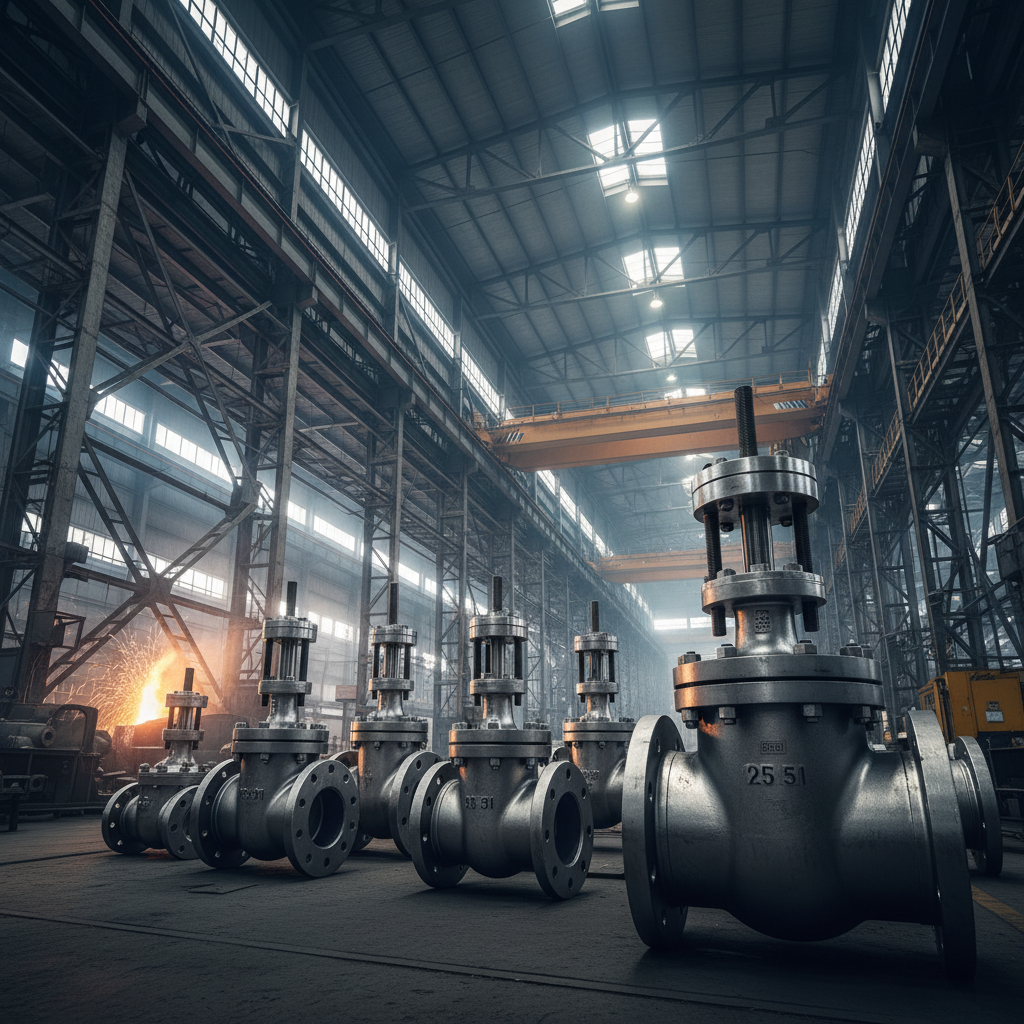
OEM safety valve types are critical components in a vast array of industrial and commercial applications, designed to protect equipment and personnel from overpressure events. Understanding these valves – their designs, functionalities, and applications – is paramount for ensuring operational safety, regulatory compliance, and minimizing costly downtime. These aren’t merely mechanical devices; they’re the last line of defense against potentially catastrophic failures, playing a vital role in industries ranging from oil and gas to power generation and chemical processing.
The global demand for reliable and efficient safety valves is consistently increasing, driven by stricter safety regulations, growing industrialization in emerging economies, and the rising complexity of modern process systems. According to the International Organization for Standardization (ISO), adherence to safety standards is increasingly prioritized, impacting the design and certification of these critical devices. The market is projected to continue expanding, fueled by the need to safeguard infrastructure and prevent environmental damage. OEM safety valve types are at the forefront of this demand.
Furthermore, advancements in materials science and engineering are continuously refining safety valve technology, leading to improved performance, durability, and resistance to corrosive environments. Addressing the challenges posed by extreme operating conditions and hazardous materials necessitates a deep understanding of different OEM safety valve types and their suitability for specific applications, thereby reinforcing their importance in modern industrial operations.

The Significance of OEM Safety Valve Types
OEM safety valve types are indispensable in maintaining the integrity of pressurized systems. Their primary function is to automatically release excess pressure, preventing equipment damage, ensuring worker safety, and mitigating environmental risks. The 'OEM' designation signifies that these valves are produced by the original equipment manufacturer, guaranteeing compatibility and adherence to stringent quality control standards.
Choosing the correct OEM safety valve type is not a one-size-fits-all approach; it requires careful consideration of factors such as the fluid being handled, operating pressure, temperature, and the specific requirements of the application. This precision ensures the valve operates reliably and efficiently, providing robust protection against potentially hazardous situations.
Defining OEM Safety Valve Types
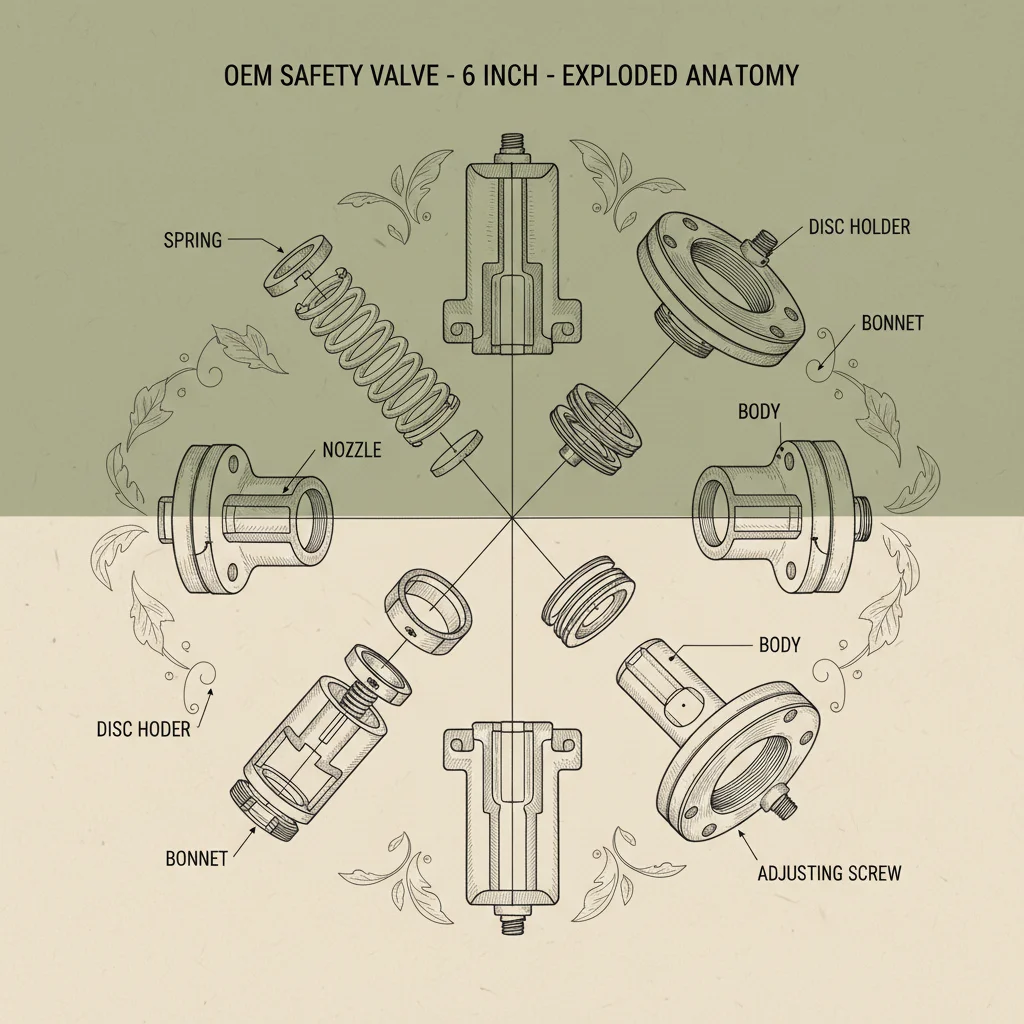
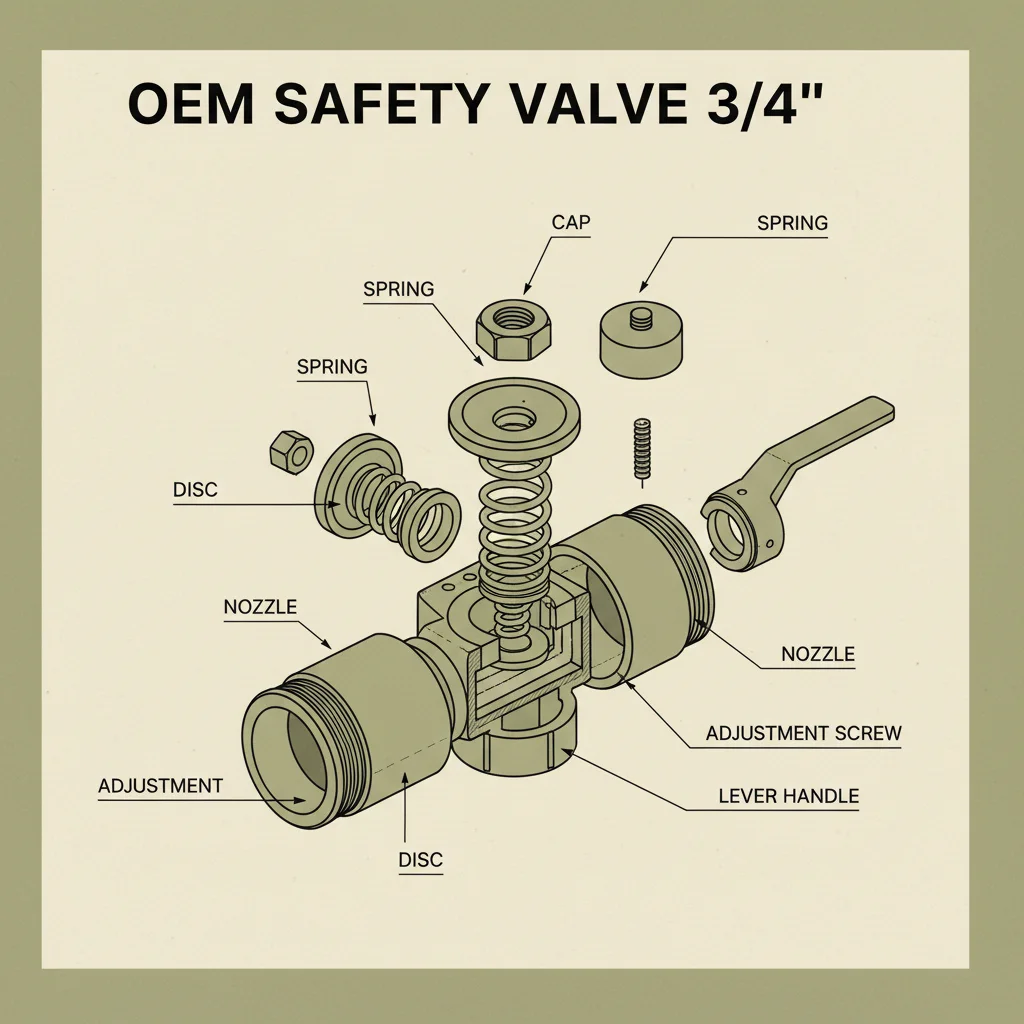
At their core, OEM safety valve types are pressure-relieving devices designed to automatically discharge a fluid when the pressure in a system exceeds a predetermined limit. They are categorized broadly into several types, including conventional spring-loaded, pilot-operated, and balanced bellows valves. Each type is engineered for specific pressure ranges, fluid characteristics, and operational environments. OEM safety valve types serve as critical safeguards.
These valves are distinct from other pressure-relieving devices like relief valves and safety relief valves. Safety valves are specifically designed for compressible fluids (gases, steam), while relief valves are typically used for incompressible fluids (liquids). The precise definition and application of each valve type are dictated by industry standards such as ASME and API.
The connection to modern industry and humanitarian needs is undeniable. Industries reliant on pressurized systems, such as oil and gas, petrochemicals, and power generation, depend on safety valves to prevent catastrophic failures and protect assets. In humanitarian contexts, these valves are crucial in water purification systems and emergency medical facilities, ensuring safe and reliable operation.
Key Characteristics of OEM Safety Valve Types
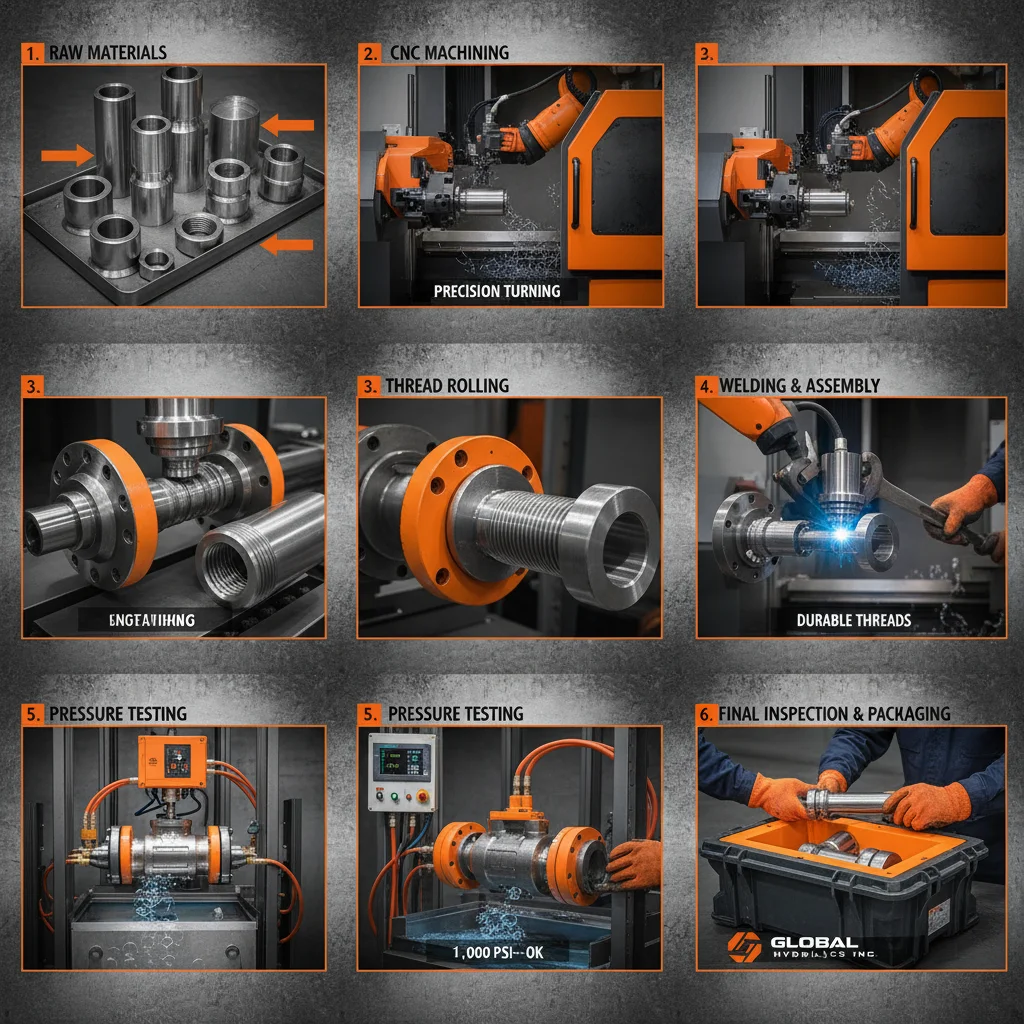
Durability is a paramount characteristic of OEM safety valve types. They are constructed from high-quality materials, such as stainless steel, alloy steel, and specialized polymers, to withstand corrosive environments, extreme temperatures, and high pressures. Rigorous testing and quality control procedures ensure long-term reliability and minimal maintenance requirements.
Response Time is another crucial factor. A rapid and reliable response to overpressure events is essential for preventing damage and ensuring safety. OEM safety valve types are designed with optimized flow paths and efficient actuation mechanisms to minimize opening time and provide immediate pressure relief.
Certification and Compliance are integral to OEM safety valve types. They must meet the requirements of relevant industry standards and regulatory bodies, such as ASME, API, and ISO. This ensures that the valves have been thoroughly tested and validated for their intended applications, providing assurance of their performance and safety.
Operational Performance Indicators for OEM Safety Valve Types
Assessing the performance of OEM safety valve types relies on several key indicators. Set Pressure Accuracy refers to how closely the valve's opening pressure matches the specified set point. Cumulative Leakage quantifies the amount of fluid that leaks through the valve seat at pressures below the set point, indicating valve tightness and integrity.
Chatter Frequency measures the rate at which the valve disc rapidly opens and closes during operation, which can indicate instability or improper sizing. Reseat Pressure indicates the pressure at which the valve disc closes after relieving pressure, and is a critical parameter for ensuring proper sealing and preventing further leakage.
OEM safety valve types Performance Indicators
Global Applications of OEM Safety Valve Types
OEM safety valve types find widespread application across numerous industries globally. In the oil and gas sector, they protect pipelines, storage tanks, and processing facilities from overpressure events, preventing spills and ensuring operational safety. In power generation, they safeguard boilers, steam turbines, and other critical equipment from damage due to excessive pressure.
The chemical and petrochemical industries also heavily rely on these valves to protect reactors, distillation columns, and other process vessels. Furthermore, in the pharmaceutical and food processing industries, OEM safety valve types ensure the safe and reliable operation of sterilization equipment and other critical processes. These valves are deployed in developed nations like the United States, Germany, and Japan, as well as rapidly industrializing countries like China, India, and Brazil.
Advantages and Value Proposition of OEM Safety Valve Types
The benefits of utilizing OEM safety valve types are numerous and substantial. Cost savings are realized through reduced downtime, minimized equipment damage, and prevention of costly repairs. Reliability is enhanced by the use of high-quality materials, rigorous testing, and adherence to industry standards.
Sustainability is promoted by preventing environmental releases and minimizing waste. Finally, enhanced safety is achieved through the protection of personnel and the prevention of catastrophic events. The peace of mind knowing your systems are protected by dependable equipment is invaluable.
Beyond the tangible benefits, OEM safety valve types foster a culture of safety and innovation, building trust with stakeholders and reinforcing a commitment to responsible operations.
Future Trends and Innovations in OEM Safety Valve Types
The future of OEM safety valve types is marked by several exciting trends. Digitalization and the integration of IoT (Internet of Things) sensors are enabling remote monitoring, predictive maintenance, and real-time performance analysis. Advanced materials, such as high-performance alloys and composite materials, are enhancing valve durability and resistance to extreme conditions.
Furthermore, the adoption of additive manufacturing (3D printing) is allowing for the creation of customized valve designs optimized for specific applications. Sustainability considerations are driving the development of eco-friendly valve designs and materials, minimizing environmental impact. OEM safety valve types are evolving rapidly.
These innovations are poised to further improve the performance, reliability, and efficiency of safety valves, ensuring the continued safety and integrity of critical industrial systems.
Summary of Key Challenges and Potential Solutions for OEM Safety Valve Types
| Challenge |
Impact on OEM safety valve types |
Potential Solution |
Implementation Cost (1-10) |
| Corrosion in Harsh Environments |
Reduced valve lifespan and reliability |
Utilize corrosion-resistant alloys and coatings |
7 |
| High Maintenance Costs |
Increased operational expenses and downtime |
Implement predictive maintenance programs with IoT sensors |
6 |
| Valve Fouling & Blockage |
Impaired valve function and potential failure |
Install filters and implement regular cleaning procedures |
4 |
| Inaccurate Set Pressure |
Compromised safety and potential for overpressure |
Regular calibration and certification by qualified technicians |
5 |
| Lack of Remote Monitoring |
Delayed response to potential issues |
Integrate IoT sensors for real-time performance monitoring |
8 |
| Limited Customization Options |
Difficulty adapting to unique application requirements |
Utilize additive manufacturing to create bespoke valve designs |
9 |
FAQS
The lifespan of an OEM safety valve varies significantly depending on operating conditions, the fluid handled, and the frequency of activation. However, with proper maintenance and regular inspection, a well-maintained valve can typically operate effectively for 10-20 years or more. Routine testing and replacement of seals and components are crucial for maximizing longevity and ensuring continued reliability. Regular adherence to manufacturer recommendations is key.
OEM safety valves should undergo periodic testing and inspection, generally recommended annually or after any significant process upset. Testing typically involves bench setting to verify the valve’s opening pressure, blowdown, and reseat characteristics. Inspections should encompass a visual assessment for corrosion, damage, and proper functioning of all components. Compliance with relevant industry standards, like API 510, is essential.
Several critical factors must be considered when selecting a safety valve. These include the maximum allowable working pressure (MAWP) of the system, the nature of the fluid being handled (gas, liquid, or steam), the operating temperature, the required flow capacity, and the specific application requirements. Material compatibility with the fluid is also crucial to prevent corrosion and ensure long-term reliability.
While both safety valves and relief valves are designed to protect against overpressure, they are intended for different fluids. Safety valves are specifically designed for compressible fluids like gases and steam and feature a rapid, full-lift opening. Relief valves are used for incompressible fluids like liquids, employing a proportional opening that corresponds to the increase in pressure. Their internal mechanisms and operating characteristics differ accordingly.
Look for certifications from reputable organizations like the American Society of Mechanical Engineers (ASME) and the American Petroleum Institute (API). ASME certification demonstrates compliance with boiler and pressure vessel code standards, while API certification confirms adherence to standards for safety valves used in the petroleum and petrochemical industries. These certifications ensure quality, safety, and reliability.
Utilizing a faulty or improperly sized safety valve can have severe consequences. A valve that fails to open when needed can lead to overpressure events, potentially causing catastrophic equipment failure, injuries, or even fatalities. Conversely, a valve that opens prematurely or has excessive capacity can disrupt normal operations and lead to product loss or process instability. Proper selection, installation, and maintenance are critical.
Conclusion
OEM safety valve types are indispensable components in ensuring the safe and reliable operation of numerous industrial processes. Their ability to automatically relieve excess pressure protects equipment, personnel, and the environment. Understanding the various types, characteristics, and applications of these valves, along with the importance of proper maintenance and testing, is crucial for minimizing risks and maximizing operational efficiency. Investing in high-quality, certified OEM safety valves is a strategic imperative for any organization operating pressurized systems.
Looking ahead, the integration of digital technologies, advanced materials, and sustainable designs will continue to drive innovation in the field of safety valves. Proactive adoption of these advancements, coupled with a commitment to continuous improvement in safety practices, will be essential for mitigating risks and ensuring the long-term integrity of industrial operations. For expert guidance and a comprehensive selection of OEM safety valve types, visit our website today.