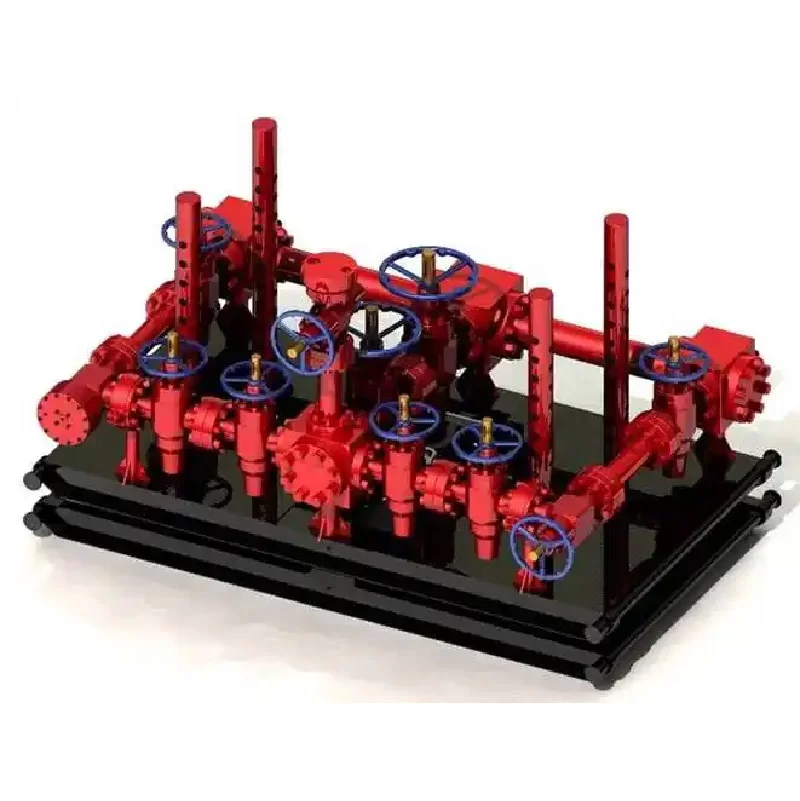
Norway Oil Gas Piping Solutions HighPerformance stainless Steel Flange

Norway Oil Gas Piping Solutions HighPerformance stainless Steel Flange

  • Home
  • Global Service
  • Norway Oil Gas Piping Solutions HighPerformance stainless Steel Flange

Norway Oil & Gas Piping Solutions: High-Performance stainless Steel Flange

Engineered for the harsh North Sea environments, providing uncompromising seal integrity and corrosion resistance for Norway's offshore drilling and mining infrastructure.

Norway Oil & Gas Piping Solutions: High-Performance stainless Steel Flange

Our specialized piping components are designed to withstand the extreme pressure and corrosive saline environments characteristic of the Norwegian Continental Shelf, ensuring operational safety and longevity.

Industrial Status of Oil & Gas Equipment in Norway

Analyzing the intersection of Arctic climate challenges and stringent NORSOK standards.

The Norwegian oil and gas sector operates under some of the most demanding conditions globally. The prevalence of deep-water drilling in the North Sea requires hardware like the API flange to meet extreme pressure ratings while resisting hydrogen-induced stress cracking (HISC).

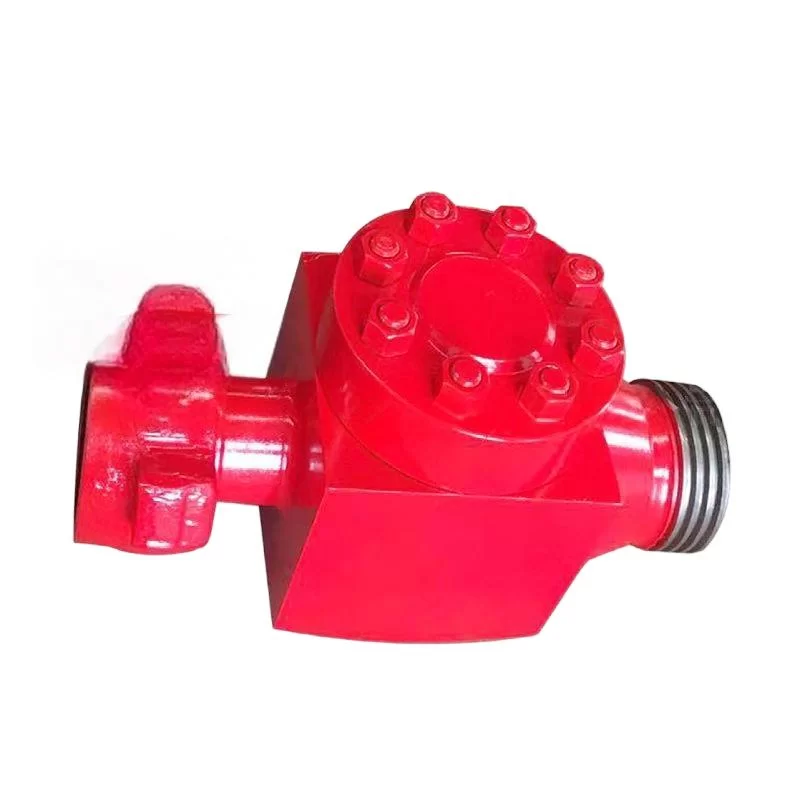
Environmental regulations in Norway are among the strictest in Europe. This drives a massive demand for high-grade materials and precision components such as the plug valve, which must ensure zero-leakage to prevent any hazardous discharge into the pristine Arctic waters.

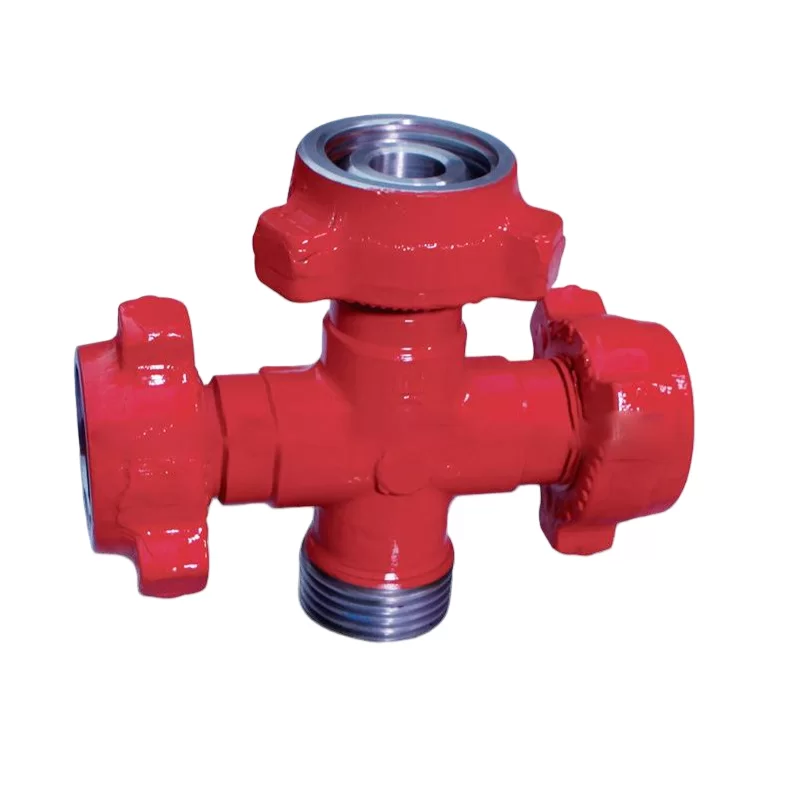
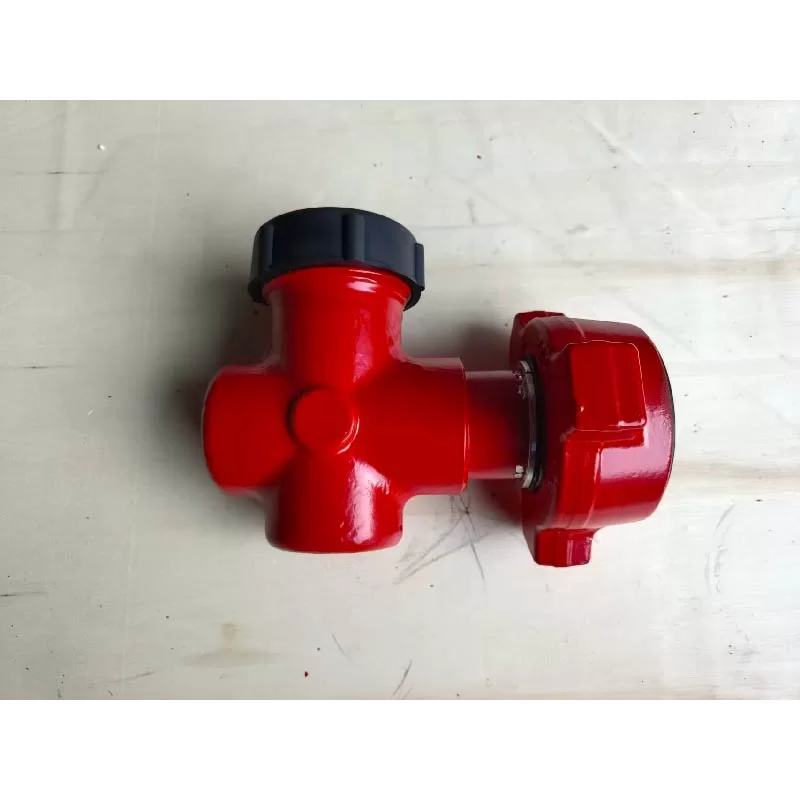
Furthermore, the geographical layout of Norwegian offshore platforms necessitates modular and rapidly deployable piping systems. The use of a Hammer Lug Union has become pivotal for quick assembly and maintenance in cold-weather environments where efficiency is key to reducing downtime.
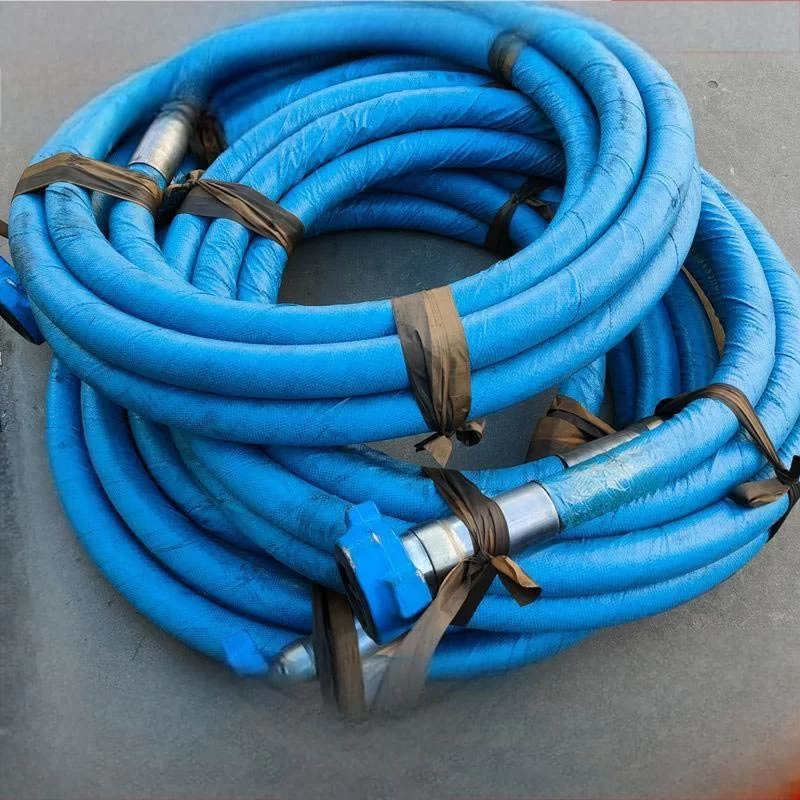
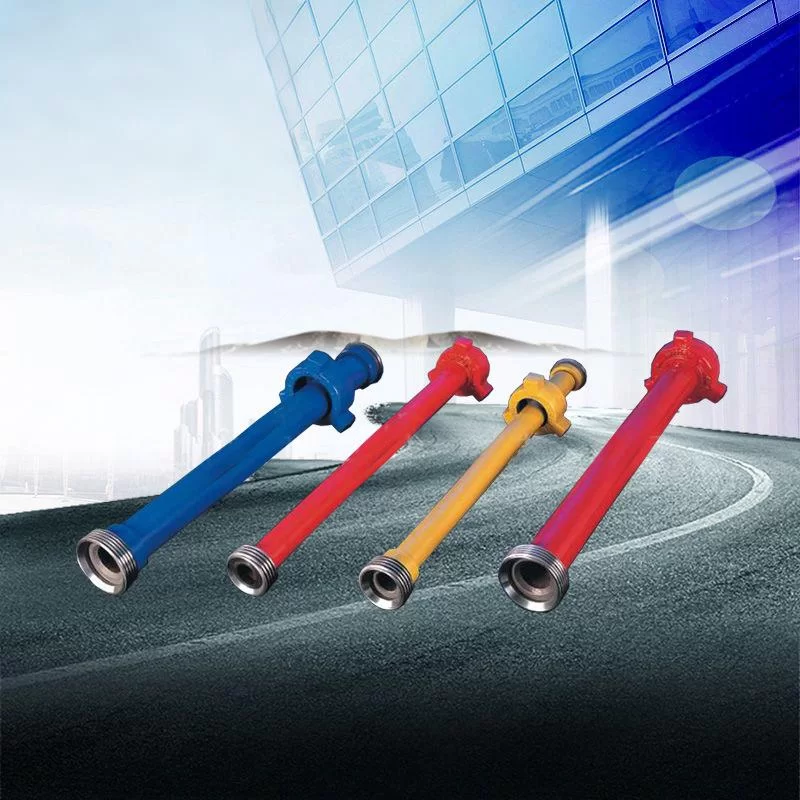
Technical Evolution of Drilling Equipment in Norway

From basic forged steel to smart, corrosion-resistant alloy systems.

Market Development History

In the 1970s and 80s, the early exploration of the Norwegian shelf relied on standard carbon steel components. However, frequent failures due to salt-water corrosion led to a rapid transition toward specialized alloys and the widespread adoption of the stainless Steel Flange to extend equipment lifecycles.

By the early 2000s, the industry shifted toward the "NORSOK" standardization. This era saw the integration of more complex safety mechanisms, including the Spectacle Blind Flange flang to provide positive isolation during maintenance, reducing the risk of accidental exposure to hydrocarbons.

The current decade is characterized by digitalization and "Subsea 2.0," where equipment is designed for unmanned operation. This has refined the precision of flow control components like the plug valve, integrating them with remote sensing technologies.

Future Development Trends

Hyper-Corrosion Resistance

The trend is moving toward Super Duplex and Nickel alloys to handle increasing H2S and CO2 levels in maturing Norwegian fields.

Additive Manufacturing

3D printing of complex internal geometries for valves is expected to reduce weight on floating platforms without sacrificing structural integrity.

Carbon Capture Integration

Equipment is being redesigned to support CCS (Carbon Capture and Storage) projects in the North Sea, requiring new sealing standards for supercritical CO2.

Future Trends and Industry Outlook

Strategic forecasting for the Norwegian specialized equipment manufacturing sector.

Green Hydrogen Transition
Adapting drilling equipment for hydrogen transport, requiring specialized seals to prevent molecular leakage.
Smart Monitoring
Integrating IoT sensors into flanges and valves to predict fatigue and corrosion in real-time.
Zero-Emission Sealing
Development of advanced graphite and polymer gaskets to reach absolute zero methane leakage.
Modular Infrastructure
Standardization of quick-connect systems to reduce installation time in Arctic weather.

Industry Outlook

Google search trends for "sustainable offshore engineering" and "NORSOK compliant valves" indicate a significant shift towards eco-friendly and highly standardized hardware. Norway will likely lead the transition toward carbon-neutral oil extraction techniques.

The next 3-5 years will see a convergence of traditional mechanical engineering and material science, where the longevity of a stainless Steel Flange is extended through nano-coatings and precision metallurgy.

Localized Application Scenarios in Norway

Real-world deployment of specialized piping equipment in Norwegian industrial environments.

01. Deep-Sea Wellheads in the North Sea

Utilizing API flange systems to secure wellhead connections against massive hydrostatic pressure and turbulent ocean currents.

02. Gas Processing Plants in Hammerfest

Implementation of the plug valve for high-cycle switching of natural gas flows, ensuring an airtight seal in sub-zero temperatures.

03. Maintenance Isolations on Floating Platforms

Using Spectacle Blind Flange flang to create a physical barrier during valve replacements, guaranteeing technician safety during shutdowns.

04. Corrosive Fluid Transport Lines

Deploying stainless Steel Flange in brine and chemical injection lines to prevent pitting and crevice corrosion.

05. Rapid-Deployment Drilling Rigs

Applying the Hammer Lug Union for high-pressure fluid lines that require fast disassembly for rig relocation.

Brand Story

Global Development History of Hengshui Jinheng Rubber and Plastic Manufacturing Co., Ltd.

Foundational Excellence

Established with a commitment to precision, we began by solving the most basic sealing failures in industrial piping.

Material Innovation

We invested heavily in R&D to master high-grade stainless steel and specialized alloys for extreme environments.

Global Standards Certification

Achieving API and ISO certifications allowed us to enter the rigorous Norwegian and North Sea markets.

Strategic Partnership

Collaborating with global EPC contractors to provide tailored solutions for Arctic offshore projects.

Future-Ready Engineering

Today, we focus on sustainable manufacturing and smart components to lead the next generation of drilling equipment.

Frequently Asked Questions in Norway

Technical guidance for selecting drilling and piping components.

Which API flange grade is best for North Sea salt-water exposure?

For high-salinity environments, we recommend Super Duplex or Inconel-clad flanges to prevent chloride stress corrosion cracking.

How does a Spectacle Blind Flange flang improve safety in gas plants?

It provides a visual confirmation of isolation, ensuring that a pipeline is completely blocked before maintenance begins.

What are the benefits of a plug valve over a ball valve in heavy oil?

Plug valves offer superior sealing and are more resistant to the abrasive particles often found in heavy crude oil.

Can stainless Steel Flange components be used in cryogenic applications?

Yes, specific grades like 316L maintain excellent ductility and toughness at very low temperatures typical of LNG plants.

How often should a Hammer Lug Union be inspected for wear?

In high-vibration drilling environments, we recommend a visual and torque inspection every 30 days of active operation.

Are your components compliant with NORSOK M-001 standards?

All our high-end series for the Norwegian market are manufactured to meet or exceed NORSOK material and quality specifications.

Consult Our Engineering Experts

Ready to optimize your offshore infrastructure in Norway? Get a technical consultation for your specific piping requirements today.

Contact Us Now

If you are interested in our products, you can choose to leave your information here, and we will be in touch with you shortly.


If you are interested in our products, you can choose to leave your information here, and we will be in touch with you shortly.