HighPerformance Plug Valve Solutions for Russia’s Oil Gas Sector

HighPerformance Plug Valve Solutions for Russia’s Oil Gas Sector

High-Performance Plug Valve Solutions for Russia's Oil & Gas Sector

Engineering precision-grade drilling and production equipment tailored for extreme Arctic environments and high-pressure Siberian reservoirs.

High-Performance Plug Valve Solutions for Russia's Oil & Gas Sector

Providing integrated piping and flow control components that meet rigorous GOST and API standards for the Russian energy landscape.

Operational Realities of Oil Equipment in Russia

Addressing the challenges of permafrost and high-corrosion crude extraction.

The Russian oil and gas industry operates in some of the world's most hostile climates, where temperatures in regions like Yamal can drop below -50°C. This requires an API flange that can maintain seal integrity despite extreme thermal contraction and expansion cycles.

Furthermore, the prevalence of H2S and CO2 in Siberian sour gas fields necessitates the widespread adoption of a stainless Steel Flange to prevent stress corrosion cracking and ensure the longevity of the drilling infrastructure.

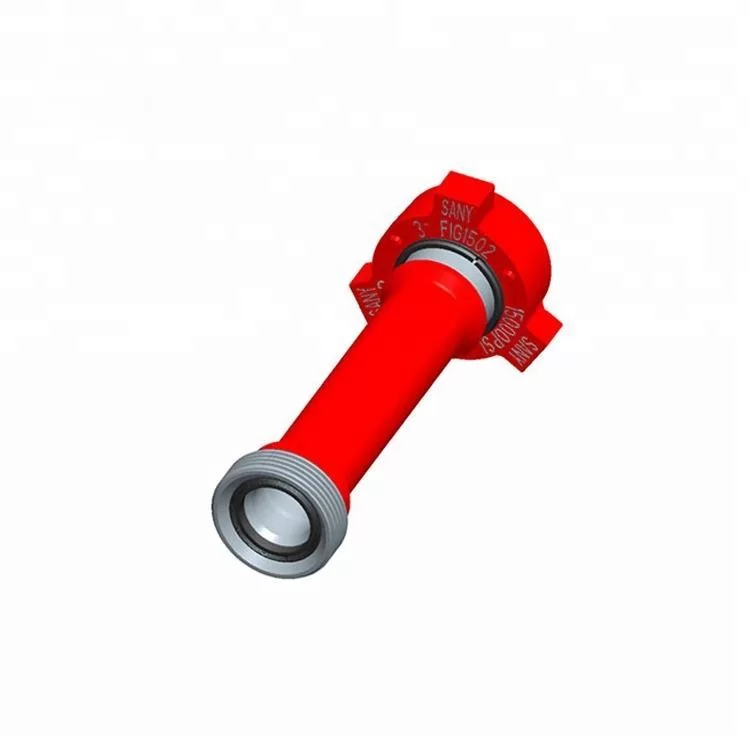
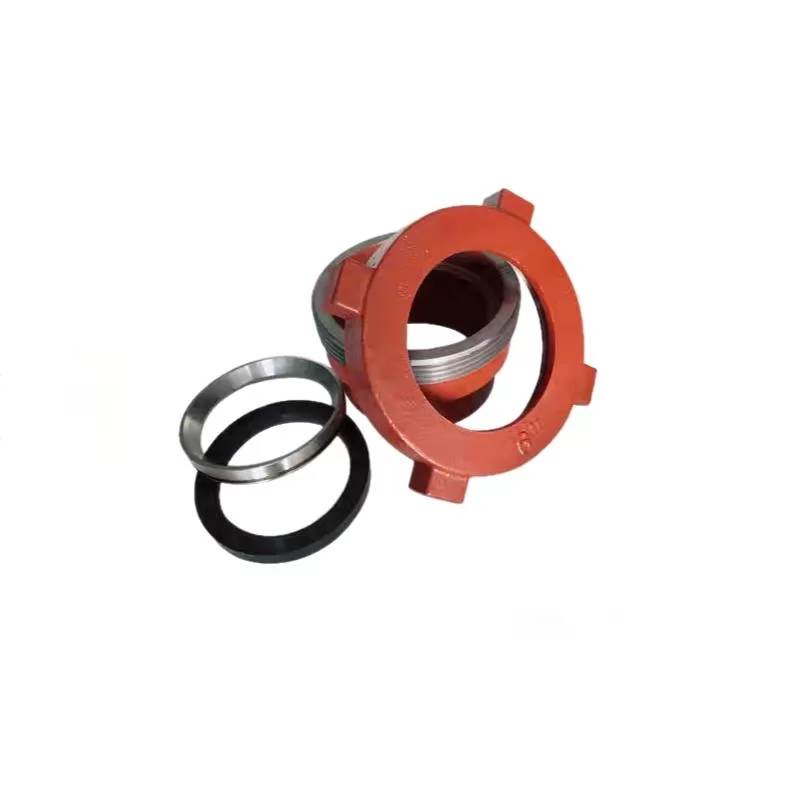
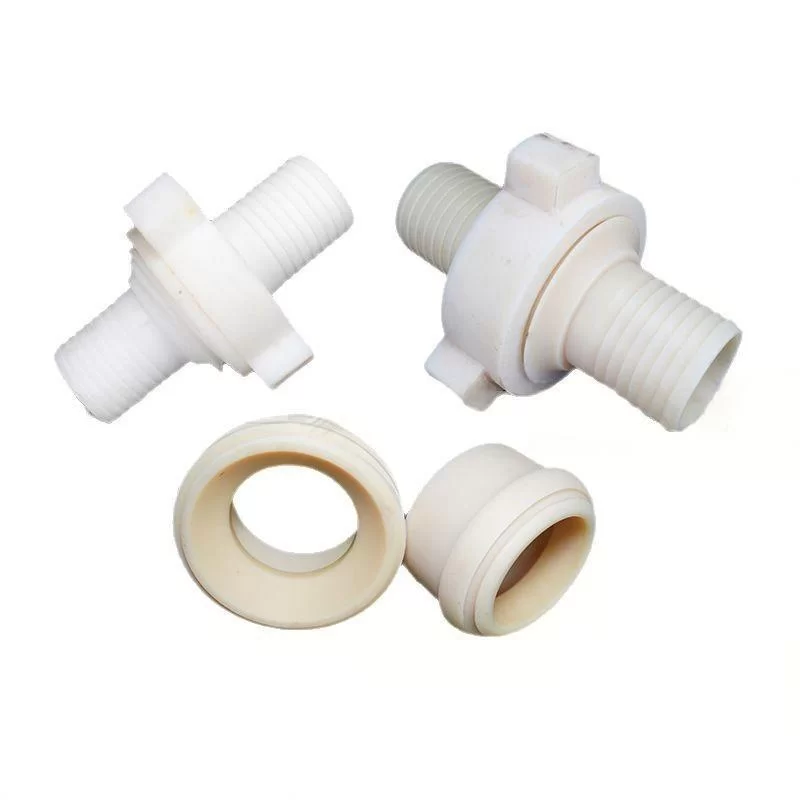
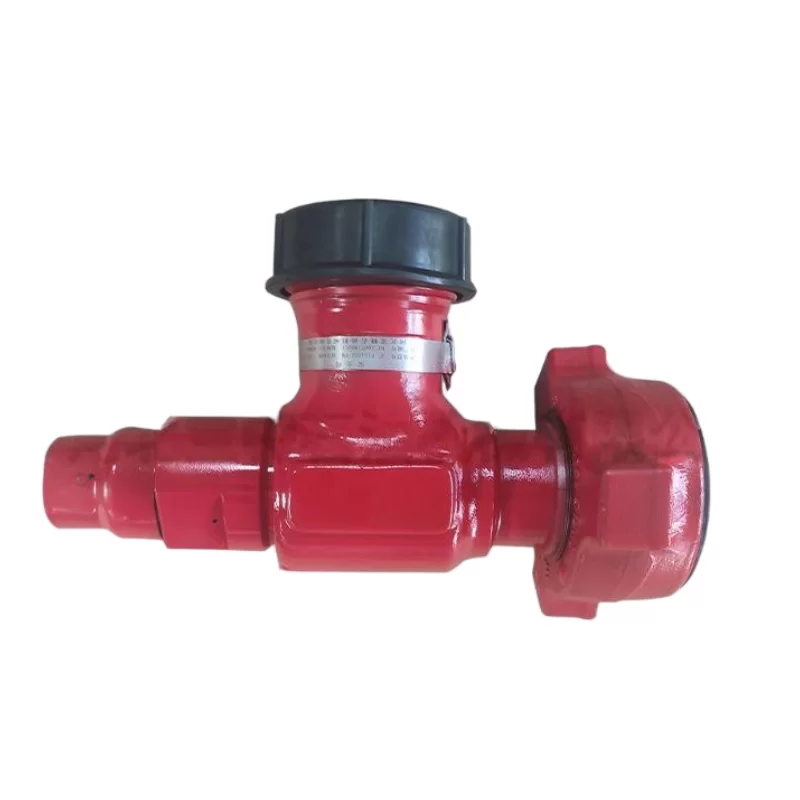
Logistical constraints in remote tundra regions mean that equipment must be durable and easy to install. The use of a Hammer Lug Union is critical for rapid assembly and disassembly of high-pressure lines in field operations where time and weather are limiting factors.
Evolution of Oilfield Connection Technology

From basic forged steel to advanced metallurgical alloys.

Market Development History

In the early 1990s, the Russian market relied heavily on legacy Soviet-era standards, focusing on massive forged steel components with limited corrosion resistance, which often led to frequent leaks in harsh environments.

By the 2010s, the integration of global standards accelerated. The adoption of the Spectacle Blind Flange flang became standard for safety isolation during maintenance, replacing less secure temporary blocking methods in refinery sectors.

From 2020 onwards, the shift toward "Digital Oilfields" has demanded components with tighter tolerances and better material traceability, leading to the dominance of precision-machined API-certified hardware.

Future Development Trends

Cryogenic Material Optimization

Development of new alloys that maintain ductility at -60°C to reduce the failure rate of connection points in Arctic drilling.

Smart Leak Detection Integration

Incorporating sensor-compatible flange designs that allow real-time monitoring of seal integrity in remote pipeline networks.

Additive Manufacturing for Spare Parts

Utilizing 3D metal printing to produce complex valve internals and custom flanges, reducing the lead time for critical repairs in the field.

Industry Trends and Strategic Outlook

Analyzing the trajectory of specialized equipment manufacturing for 2025-2030.

Strict Standardization
Increasing alignment between Russian GOST standards and international API specifications to facilitate global equipment interchangeability.
Corrosion Resistance
Shift toward duplex and super-duplex stainless steels to handle the increasing salinity of mature Russian oil fields.
Modularization
Moving toward prefabricated piping skids to reduce on-site welding and installation time in Siberian weather.
Life Cycle Monitoring
Implementing RFID tagging on all flanges and valves to track wear and maintenance schedules automatically.

Industry Outlook

Google search trends indicate a rising demand for "Arctic-grade piping components" and "high-pressure valve seals," suggesting that the Russian market is prioritizing reliability over initial cost.

The future will likely see a transition toward autonomous drilling rigs, which will require highly standardized, zero-leakage connectors to function without constant human intervention in remote areas.

Local Application Scenarios in Russia

Practical deployment of high-strength equipment in regional energy hubs.

01. West Siberian Gas Condensate Plants

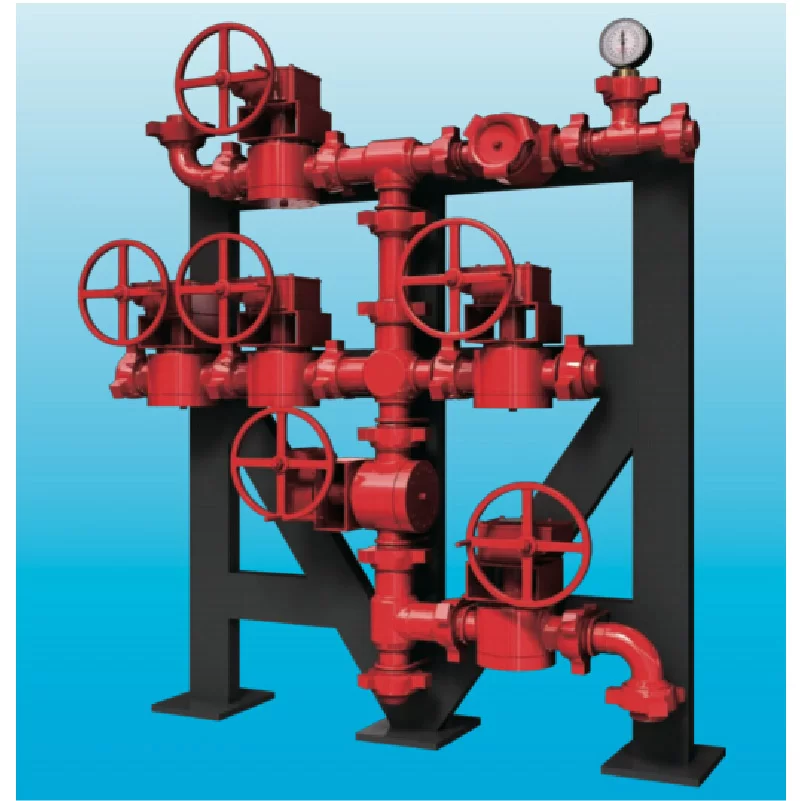
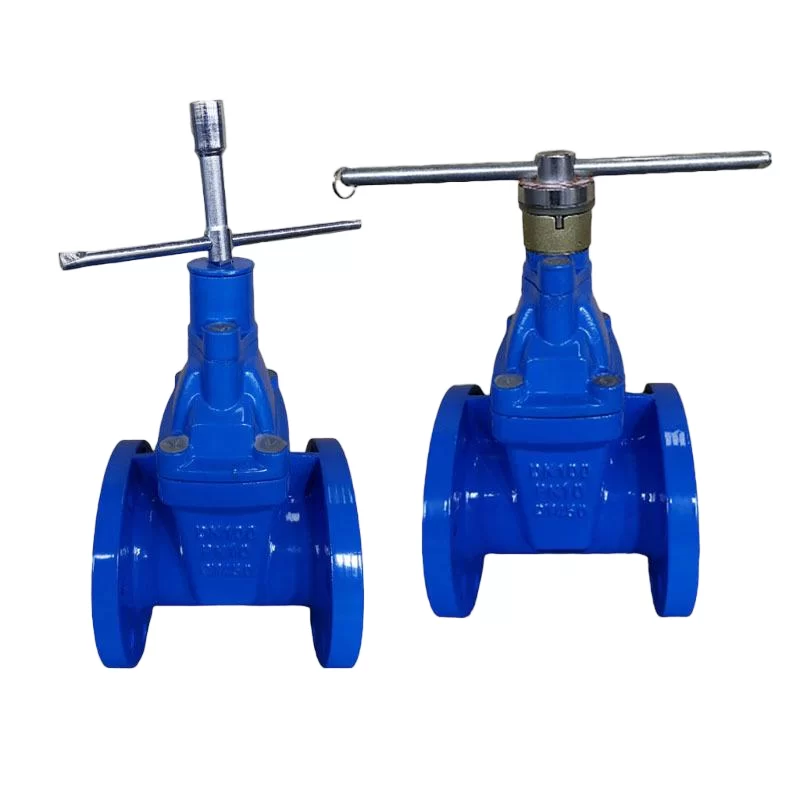
Deployment of the plug valve for high-frequency switching in condensate separation units where slurry buildup is common.

02. Yamal Peninsula Arctic Pipelines

Utilization of ultra-low temperature forged steel flanges to ensure zero-leakage transit of natural gas through permafrost zones.

03. Ural Mountain Mining Support

Application of the Hammer Lug Union in heavy-duty slurry transport lines for mineral extraction sites.

04. Caspian Sea Offshore Platforms

Installation of high-grade stainless Steel Flange systems to resist saline corrosion and high-pressure underwater currents.

05. Sakhalin-II Project Maintenance

Implementing the Spectacle Blind Flange flang for strict positive isolation during the scheduled overhaul of LNG liquefaction trains.

Brand Story

Global Development Journey of Hengshui Jinheng Rubber and Plastic Manufacturing Co., Ltd.

Foundation and Local Focus

Started with a commitment to solving the most basic sealing failures in regional industrial piping, establishing a reputation for reliability.

Technical Certification Pivot

Invested in API and ISO certifications to bridge the gap between domestic manufacturing and international oilfield requirements.

Expansion into Extreme Climates

Developed a specialized line of Arctic-grade components specifically designed for the unique thermal stresses of the Russian market.

Global Supply Chain Integration

Established a robust logistics network ensuring that critical drilling parts reach remote sites in Siberia and the Far East without delay.

Vision for Sustainable Energy

Now focusing on zero-emission sealing technology to support the global transition toward cleaner oil and gas extraction processes.

Comprehensive Equipment Portfolio for Russia

A one-stop solution for all high-pressure piping and flow control needs in the Eurasian sector.

Russia Oilfield Equipment FAQs

Technical answers for engineers and procurement specialists.

How to choose the right API flange for Arctic conditions?

For Arctic use, ensure the flange is made from low-temperature carbon steel (like ASTM A350 LF2) and is fully compliant with API 6A standards to prevent brittle fracture.

What are the benefits of using a Spectacle Blind Flange flang in gas plants?

It provides a visual confirmation of the isolation status, which is a critical safety requirement in Russian gas processing plants during maintenance cycles.

When should a plug valve be preferred over a ball valve in oil drilling?

Plug valves are preferred for high-viscosity fluids or media containing solids (slurry), as they provide a more robust seal and are less prone to clogging.

Is a stainless Steel Flange necessary for all Siberian pipelines?

It is essential for sections carrying "sour" crude or gas containing CO2/H2S to prevent rapid internal corrosion and catastrophic failure.

How does the Hammer Lug Union improve field efficiency?

It allows for rapid connection and disconnection of high-pressure lines without the need for heavy torque equipment, speeding up rig-up and rig-down times.

Do your products comply with GOST standards for the Russian market?

Yes, all our components are manufactured to meet both international API standards and local GOST requirements to ensure seamless integration into Russian infrastructure.

Consult Our Engineering Experts

Looking for customized drilling equipment solutions for your projects in Russia? Our technical team is ready to assist.

Contact Us Now

If you are interested in our products, you can choose to leave your information here, and we will be in touch with you shortly.


If you are interested in our products, you can choose to leave your information here, and we will be in touch with you shortly.