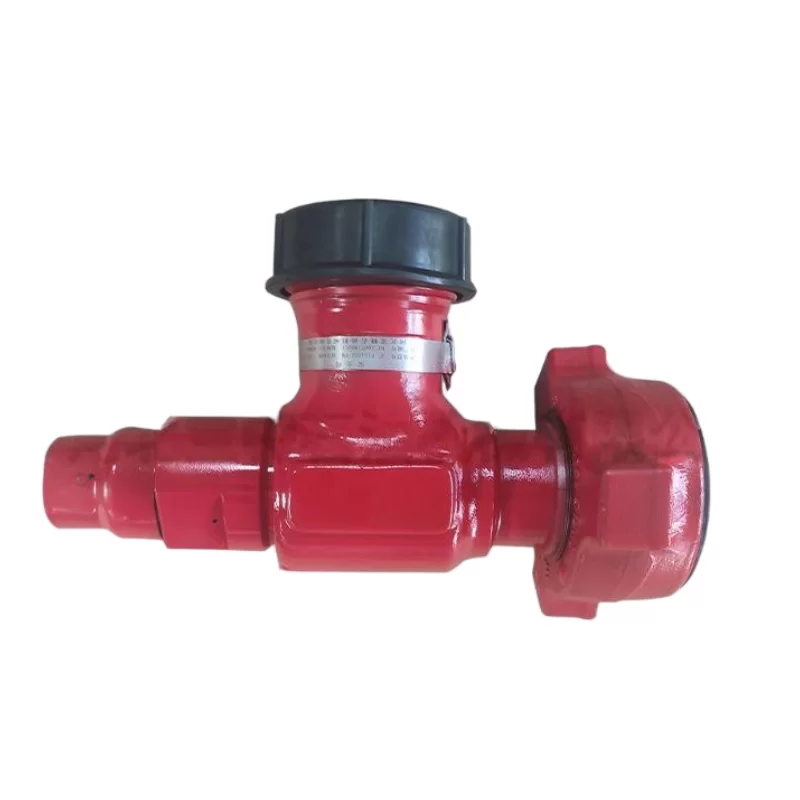
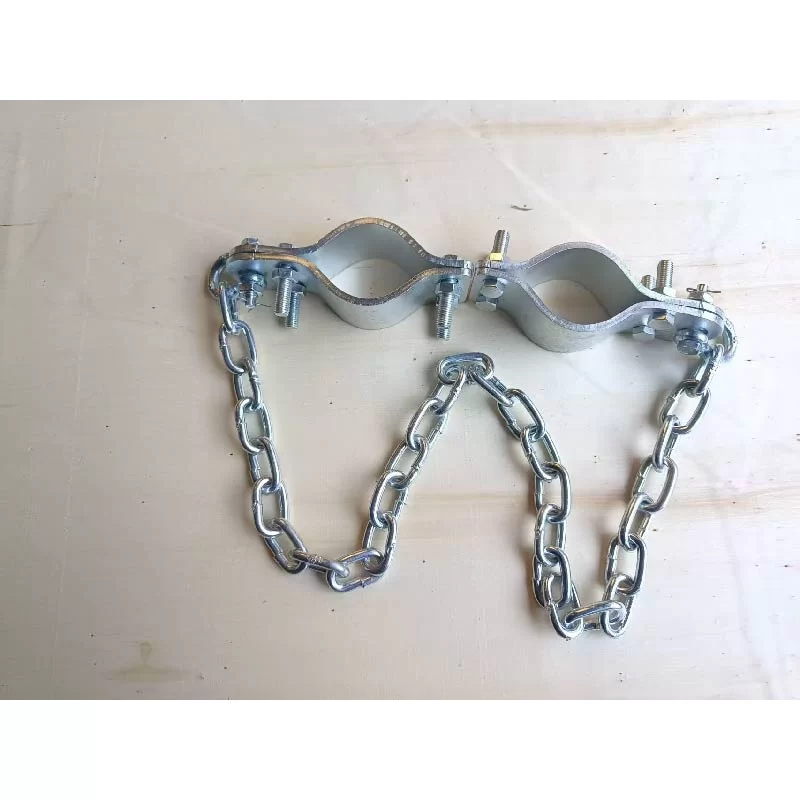
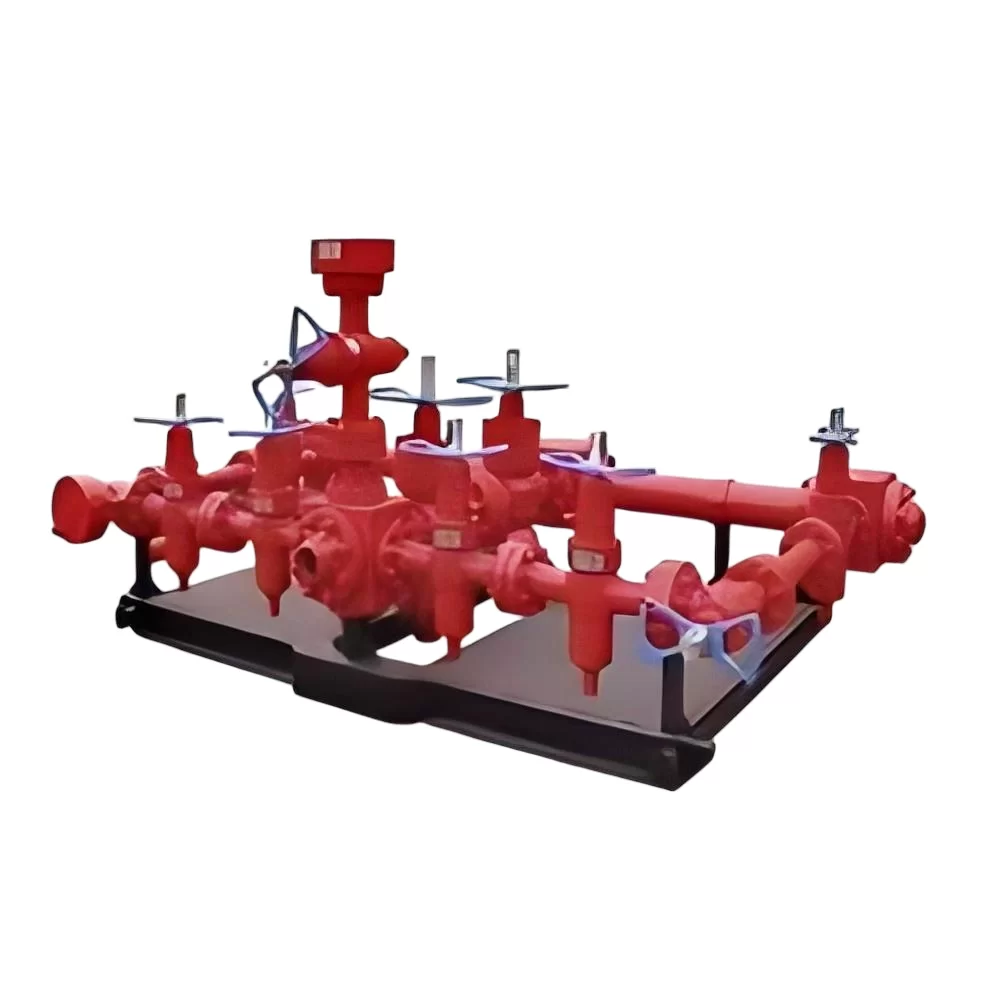
HighPerformance Hammer Lug Union Solutions for US Oilfields

HighPerformance Hammer Lug Union Solutions for US Oilfields

High-Performance Hammer Lug Union Solutions for US Oilfields

Engineered for extreme pressure and corrosive environments across North America's most demanding drilling sites.

High-Performance Hammer Lug Union Solutions for US Oilfields

Providing specialized oil and gas drilling equipment designed to meet the rigorous API standards of the United States energy sector, ensuring leak-proof connections and operational safety.

Current Landscape of US Drilling Infrastructure

Analyzing the operational demands of the Permian Basin and Gulf Coast regions.

The United States oil and gas industry currently faces a dual challenge: the need for rapid deployment in shale plays like the Permian Basin and the management of high-corrosion environments in offshore Gulf installations. This necessitates the use of high-grade stainless Steel Flange components to prevent saltwater degradation and sustain high-pressure cycles.

In North American operations, the emphasis has shifted toward reducing non-productive time (NPT). The integration of quick-connect systems and heavy-duty API flange standards ensures that equipment is interchangeable and compliant with strict federal safety regulations, minimizing downtime during rig moves.

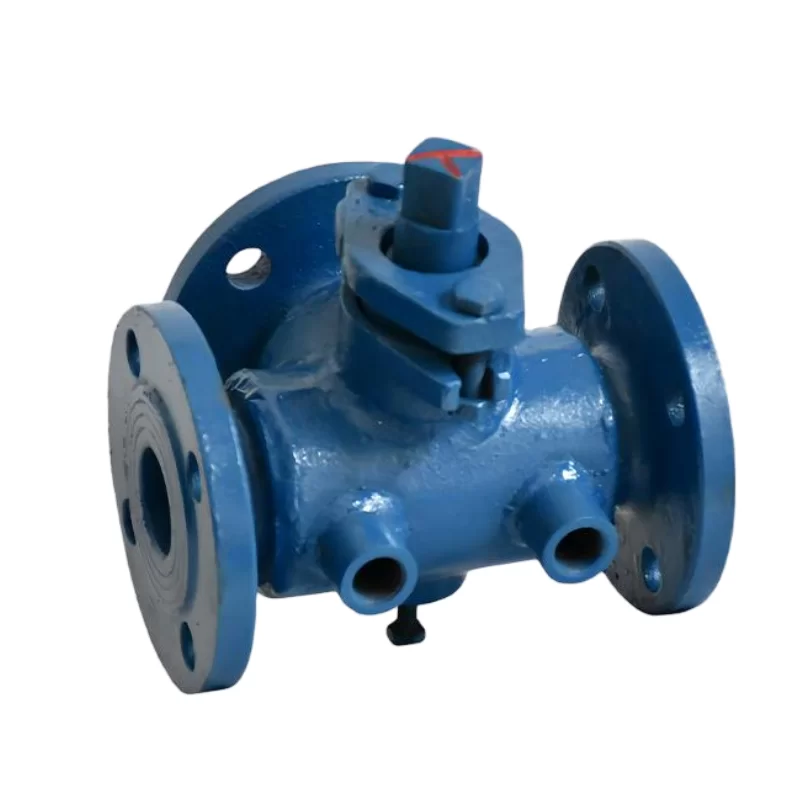
Furthermore, the volatility of fluid pressures in unconventional drilling requires precision flow control. The widespread adoption of the high-torque plug valve has become essential for isolating high-pressure zones, providing a reliable seal where traditional gate valves often fail under sandy or slurry conditions.
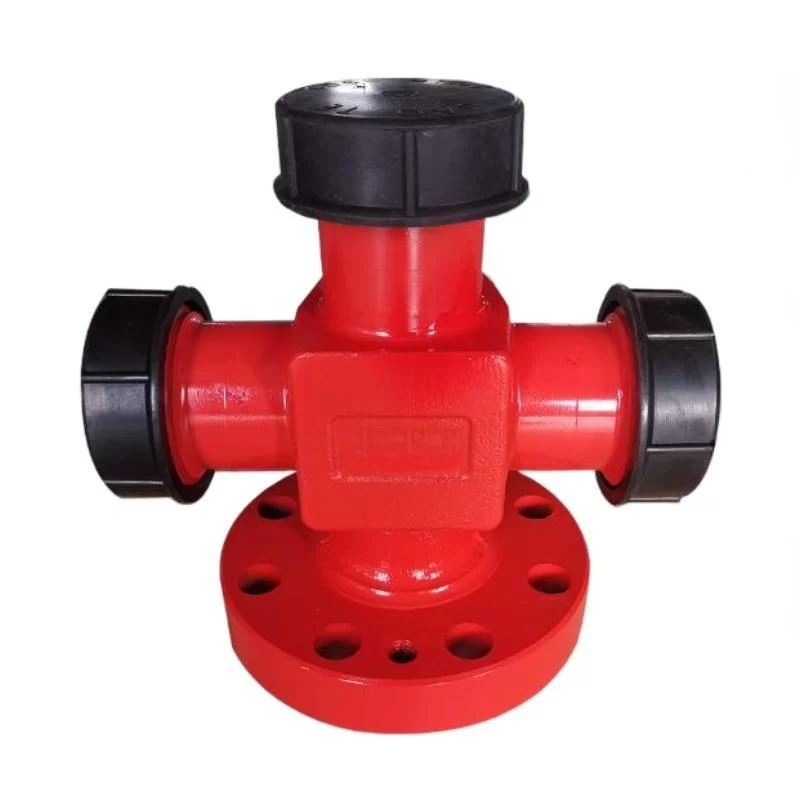
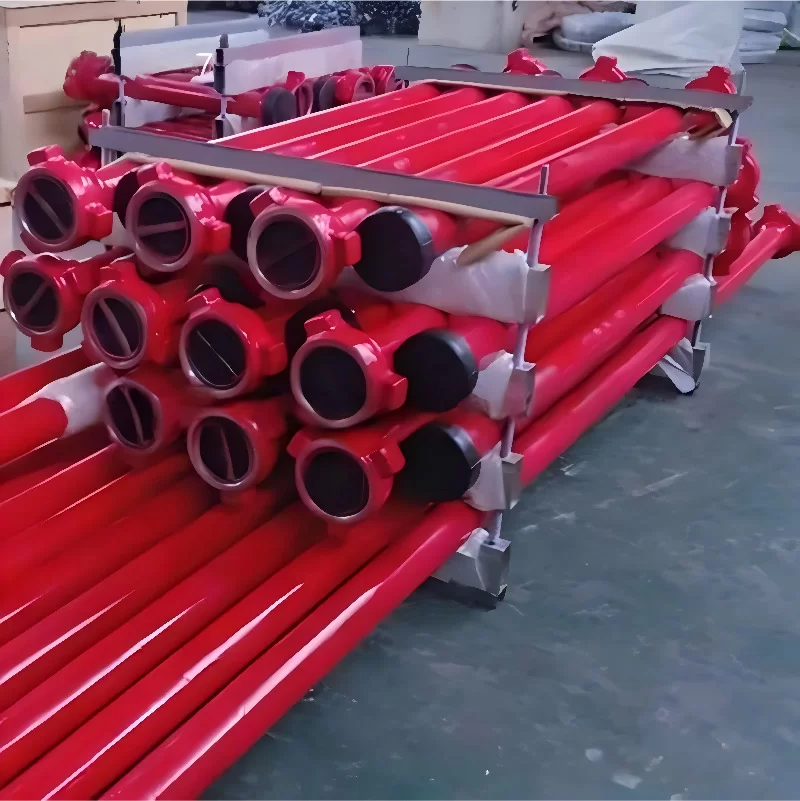
Evolution of Oilfield Connection Technology

From forged iron to precision-engineered alloy systems.

Market Development History

In the early 20th century, US drilling relied on basic threaded connections and cast iron fittings. However, by the 1970s, the industry transitioned toward standardized API specifications to ensure safety across different manufacturers, leading to the dominance of the API flange as the industry benchmark.

Between 1990 and 2010, the rise of hydraulic fracturing (fracking) demanded equipment capable of handling extreme abrasive pressures. This era saw the evolution of the Spectacle Blind Flange flang, allowing operators to visually verify isolation for maintenance, a critical safety requirement for OSHA compliance in the US.

From 2015 to the present, the trend has moved toward "materials science optimization." The shift from carbon steel to advanced alloys and high-performance coatings has allowed equipment to survive the aggressive H2S environments found in deep-well extraction.

Future Development Trends

Digital Integration and Smart Monitoring

The next 3-5 years will see the integration of IoT sensors into flange assemblies to monitor bolt tension and leak detection in real-time.

Carbon Neutral Material Transition

Google search trends indicate a rising demand for "low-emission valves," driving the development of zero-leakage plug valve designs to meet EPA methane reduction targets.

Additive Manufacturing of Custom Alloys

3D printing of complex internal geometries for valves and unions will allow for site-specific customization, reducing the lead time for specialized North American replacement parts.

Strategic Outlook for Specialized Equipment

Anticipating the shift toward automated and ultra-durable drilling components.

Extreme Pressure Resilience
Development of ultra-high-yield strength alloys to handle the increasing pressures of deep-shale fracking.
Corrosion-Proof Coating
Next-gen ceramic and polymer coatings to extend the lifespan of flanges in acidic environments.
Zero-Leakage Standards
Tightening tolerances on sealing surfaces to eliminate fugitive emissions during fluid transfer.
Modular Rapid Assembly
Simplifying the connection process to reduce manual labor and human error in the field.

Industry Outlook

The North American market is moving toward a highly standardized, digitally-monitored ecosystem. The focus is no longer just on the physical strength of the hardware, but on the predictability of its failure points. We expect a surge in demand for components that can be integrated with predictive maintenance software.

As the US transitions toward more sustainable extraction methods, the equipment must evolve. This means creating components that are not only durable but also fully recyclable and designed for longer service intervals to reduce the overall carbon footprint of oilfield operations.

Localized Applications in North American Oilfields

Real-world implementation of drilling components across diverse US geographies.

01. Permian Basin Shale Fracturing

In the high-intensity fracking operations of Texas and New Mexico, our high-pressure unions and valves are used to manage massive fluid volumes, ensuring stability under rapid pressure surges.

02. Gulf of Mexico Offshore Platforms

Utilizing the stainless Steel Flange to combat extreme salt-spray corrosion and maintain structural integrity in deep-water extraction environments.

03. Appalachian Basin Natural Gas Wells

Implementing precise flow control via plug valves to handle the specific gas composition and temperature fluctuations common in the Northeastern US.

04. Alaska North Slope Arctic Drilling

Deploying cold-resistant alloy components that maintain ductility and sealing performance in sub-zero temperatures, preventing brittle failure of connections.

05. Mid-Continent Pipeline Maintenance

Using the Spectacle Blind Flange flang for safe isolation of pipeline segments during scheduled maintenance and safety inspections across the Midwest.

Brand Story

Global Development Journey of Hengshui Jinheng Rubber and Plastic Manufacturing Co., Ltd.

Foundational Engineering

Started with a commitment to solving the most basic seal failures in the industrial sector, focusing on precision and material purity.

API Standard Certification

Achieved critical industry certifications, allowing our components to enter the strict North American and global oilfield markets.

Material Innovation Leap

Invested in R&D for high-performance alloys, successfully bridging the gap between cost-efficiency and extreme durability.

Global Logistics Expansion

Established a robust supply chain capable of delivering critical drilling parts to the United States with minimal lead times.

Future-Proofing the Industry

Now leading the way in sustainable manufacturing, ensuring our equipment supports the energy transition while maintaining peak performance.

Comprehensive Oilfield Component Portfolio for the USA

A complete range of API-compliant hardware for every stage of drilling and production.

Oilfield Equipment FAQ - North America

Expert answers to common technical queries regarding US drilling standards.

How do I verify the API flange rating for high-pressure wells?

Verify the pressure class (e.g., 150, 300, 600, 1500, 2500) stamped on the flange rim and cross-reference it with the ASME B16.5 or API 6A standards to ensure it meets your well's maximum anticipated surface pressure.

When should I choose a stainless Steel Flange over carbon steel?

Choose stainless steel when operating in corrosive environments such as offshore rigs in the Gulf of Mexico or when handling fluids with high H2S or CO2 content to prevent pitting and stress corrosion cracking.

What are the safety advantages of a Spectacle Blind Flange flang?

Unlike standard blinds, a spectacle blind provides a visual confirmation of whether a line is open or closed, which is a critical safety requirement for lockout-tagout (LOTO) procedures in US industrial sites.

How does a plug valve handle abrasive shale sands?

Plug valves utilize a tapered plug that rotates to open or close, providing a straight-through flow path that minimizes turbulence and reduces the erosive wear caused by abrasive sands compared to ball valves.

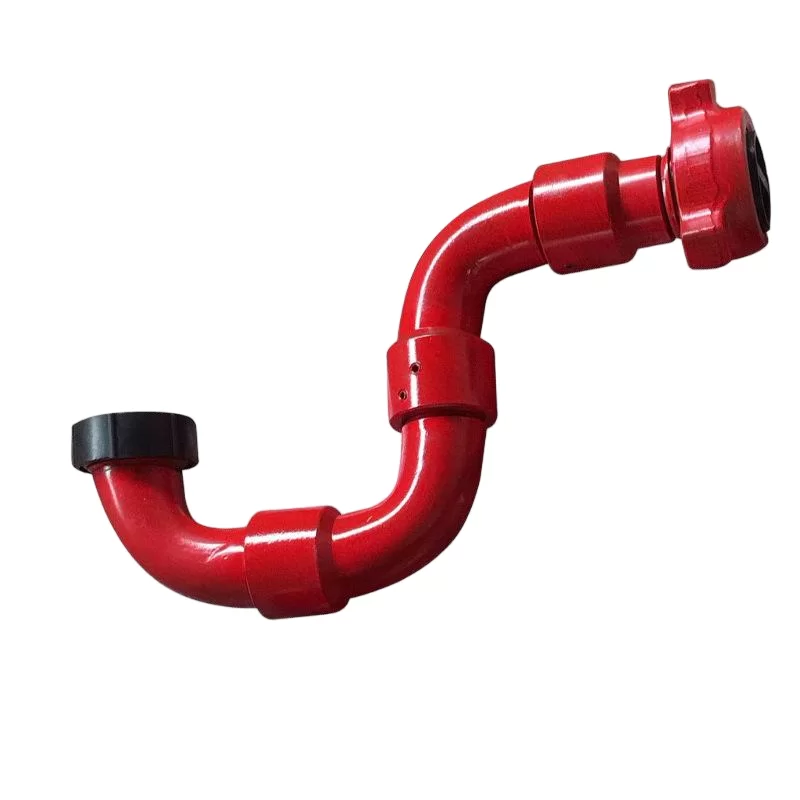
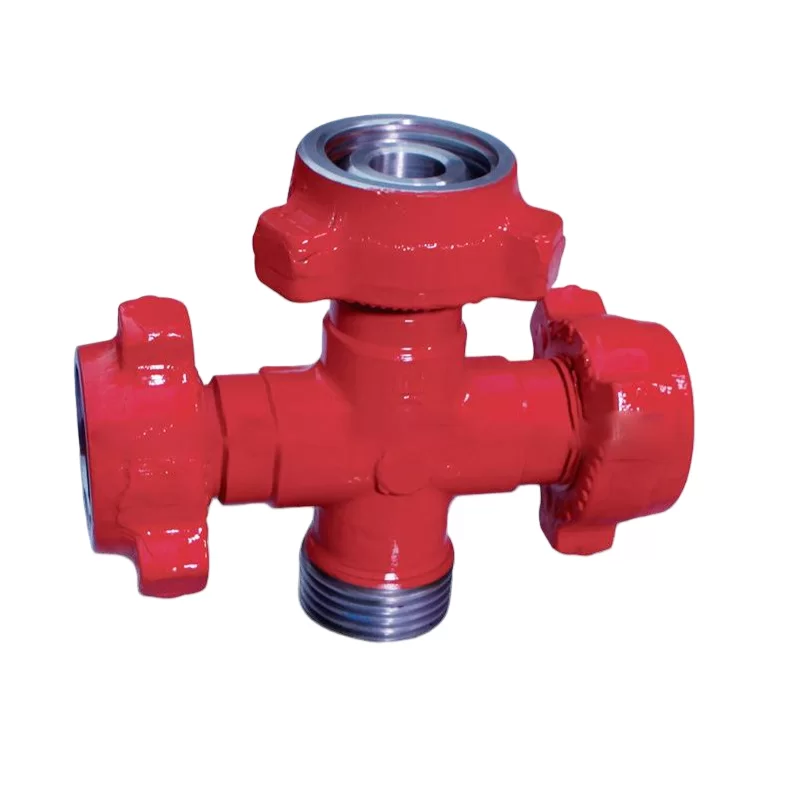
What makes the Hammer Lug Union ideal for fast rig moves?

The hammer lug design allows for rapid connection and disconnection using a hammer, significantly reducing the time required to assemble and disassemble high-pressure lines during rig movements.

Are your components compliant with US EPA emissions standards?

Yes, our precision-machined seals and valves are designed to minimize fugitive methane emissions, helping operators meet stringent EPA and state-level environmental regulations.

Request a Technical Consultation

Our engineering team is ready to support your next project in the United States with API-certified hardware and logistics.

Contact Us Now

If you are interested in our products, you can choose to leave your information here, and we will be in touch with you shortly.


If you are interested in our products, you can choose to leave your information here, and we will be in touch with you shortly.