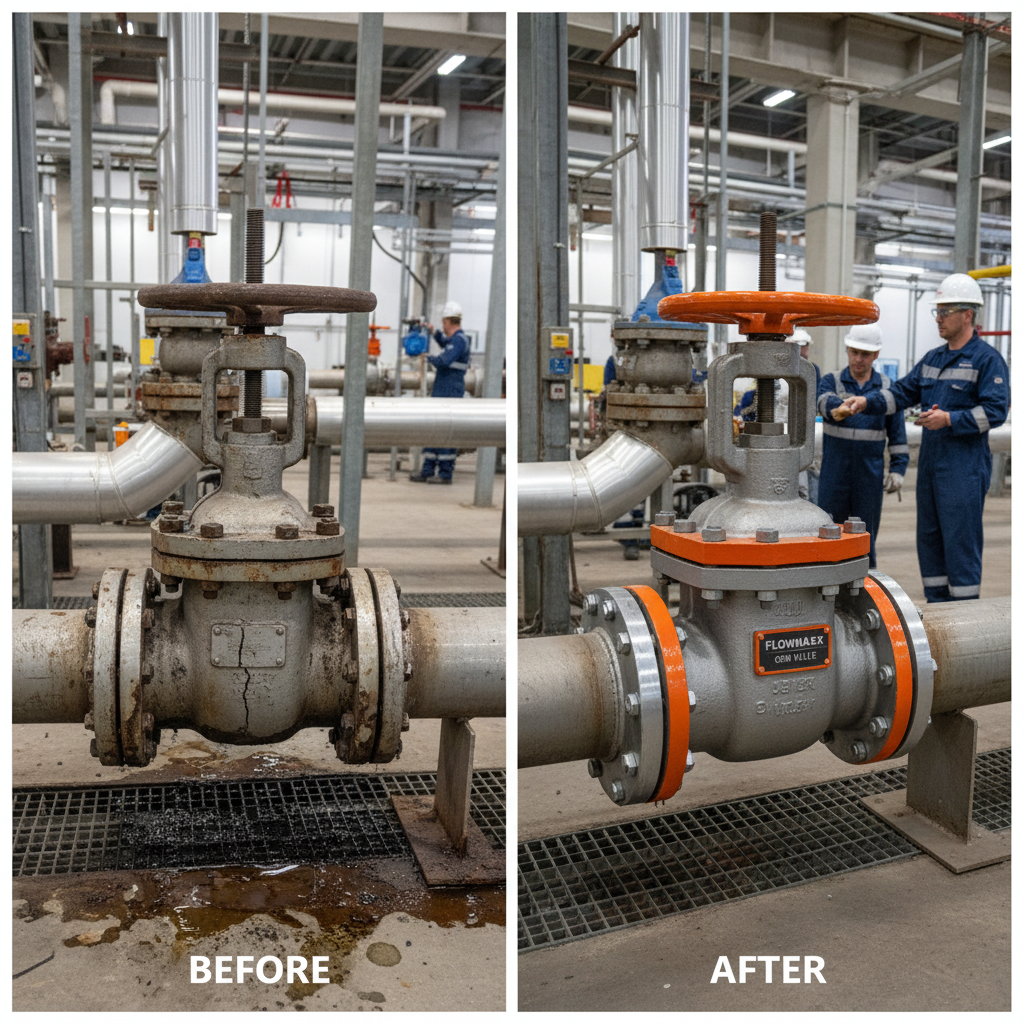
API Oil Kill Manifold and Telescopic Steel Hammer Manufacturer
Maintaining well control during complex drilling operations requires high-precision pressure management systems that can withstand extreme geological stress. The API Oil Kill Manifold is engineered as a critical safety barrier, allowing operators to inject heavy fluids into the wellbore to counteract underground pressure and prevent catastrophic blowouts. By integrating high-strength alloy steel and NACE-compliant materials, this system ensures operational stability in both conventional and sour gas environments. For procurement teams seeking a reliable Telescopic Steel Hammer Manufacturer, understanding the synergy between manifold pressure ratings and site-specific temperature requirements is essential for maximizing rig uptime and ensuring crew safety.

Engineering Fundamentals of High-Pressure Well-Kill Systems
An Oil Kill Manifold serves as the primary conduit for pressure stabilization, designed to handle fluids under intense conditions. These systems are not merely pipes and valves but are sophisticated assemblies that must adhere to API standards to ensure compatibility across various drilling rig setups. The core objective is to provide a secure path for kill-weight fluids, managing pressures that can range from 35 MPa to as high as 105 MPa.
The construction of these manifolds relies heavily on High-Strength Alloy Steel, which provides the necessary tensile strength to prevent rupture during pressure spikes. Furthermore, the integration of union connections allows for rapid deployment, reducing the time spent on installation and disassembly—a critical factor when managing time-sensitive well-control events. By focusing on streamlined design, these units offer high operational flexibility without sacrificing the structural integrity required for deep-well drilling.

Critical Performance Metrics for Sour Service and Extreme Climates
In many oil and gas fields, the presence of Hydrogen Sulfide (H2S) creates a highly corrosive environment that can lead to sulfide stress cracking. To mitigate this risk, the high-spec models of the Oil Kill Manifold are fully compliant with NACE MR0175 standards. This ensures that the material grade is specifically treated to resist corrosion in sour service, providing a massive safety margin for operations in hazardous zones.
Temperature resilience is equally vital. From Arctic drilling sites to scorching desert environments, the equipment is rated to operate between -29℃ and 121℃. This thermal range is achieved through the use of PU-grade seals and specialized alloys that maintain their mechanical properties despite extreme fluctuations. Such durability ensures that the manifold remains a reliable component of the wellhead control system regardless of the global climatic conditions of the drilling site.
Operational Advantages and Rig Integration Strategies
Efficiency on a drilling rig is measured by the reduction of non-productive time (NPT). The use of union-style fittings in the manifold design significantly lowers labor intensity, allowing field crews to secure connections quickly and safely. This ergonomic optimization reduces physical strain and minimizes the risk of human error during high-pressure setups.
Moreover, the compact design of the system facilitates easier transportation to remote or offshore locations. When integrated into existing drilling rig setups, the manifold provides seamless flow control and pressure monitoring. Operators can leverage the high-pressure rating (up to 105 MPa) to maintain a secure barrier, ensuring that well-kill procedures are executed with precision. This combination of portability and power makes the system an ideal choice for challenging geological conditions where space is limited but pressure capacity is non-negotiable.
Technical Specification and Application Comparison
| Metric | Standard Manifold | API High-Spec Model | Operational Impact |
|---|---|---|---|
| Installation Time | High (Bolted) | Very Low (Union) | Reduced Rig Downtime |
| Pressure Capacity | Moderate | Up to 105 MPa | Deep-Well Capability |
| Corrosion Grade | Standard Steel | NACE MR0175 / H2S | Sour Gas Safety |
| Temp. Range | Limited | -29℃ to 121℃ | Global Versatility |
| Labor Intensity | High Man-hours | Low / Ergonomic | Lower Crew Fatigue |
Evaluating Supplier Capabilities for Pressure Control Equipment
When selecting a partner for critical oilfield components, buyers must look beyond the base specifications. A qualified manufacturer should demonstrate a deep understanding of API compliance and the ability to provide personalized solutions based on unique wellbore requirements. The capacity to offer rigorous testing before market launch is a hallmark of quality, ensuring that every unit can withstand the rated pressure without failure.
Moreover, the supplier's experience in diverse sectors—such as chemical, petrochemical, and mining—indicates a broad technical strength. For those researching the mechanical properties of impact tools or support equipment, referring to resources like Telescopic Steel Hammer Manufacturer can provide a baseline for understanding high-strength steel applications. In the context of manifolds, a supplier's ability to provide long-term warranty and comprehensive after-sale support, including repair or replacement for material defects, is a key indicator of trustworthiness and product reliability.
Future Trends in Wellhead Pressure Management
The industry is moving toward increased digitalization and real-time monitoring. Future iterations of kill manifolds are expected to integrate digital pressure sensors and automated alerts, allowing for the immediate detection of pressure spikes during well-kill procedures. This shift toward "smart" manifolds will further reduce the risk of blowouts by providing operators with data-driven insights into flow rates and pressure stability.
Additionally, there is a growing demand for more sustainable and environmentally compatible materials that can withstand the increasingly corrosive nature of deep-sea and ultra-deep drilling. The focus is shifting toward alloys that offer an even higher strength-to-weight ratio, further optimizing logistics and installation speed. As drilling projects push into more extreme territories, the integration of NACE compliance and API certification will remain the gold standard for procurement and operational safety.
Frequently Asked Questions about API Kill Manifolds
What makes an API Kill Manifold essential for drilling rigs?
It allows operators to pump heavy fluids into the well to counteract underground pressure, preventing blowouts and ensuring crew safety by providing a controlled pressure barrier.
Is this equipment suitable for sour gas environments?
Yes, the H2S operational mode complies with NACE MR0175, which is specifically designed to resist sulfide stress cracking in highly corrosive sour gas environments.
How do union connections benefit the drilling process?
Union connections enable rapid assembly and disassembly without the need for extensive bolting, which significantly reduces labor intensity and setup time on the rig.
What is the maximum pressure capacity of this manifold?
Our high-spec models support working pressures up to 105 MPa, making them suitable for the most extreme deep-well drilling requirements.
Can the manifold handle extreme cold weather operations?
Absolutely. With a temperature rating as low as -29℃, it is engineered for Arctic and sub-zero environment drilling without compromising seal integrity.
Does this manifold fit standard API flange systems?
Yes, it is designed according to API standards to ensure full compatibility with standard oilfield pipe union fittings and flanges used globally.
Industry Technical References
- American Petroleum Institute (API) Standards
- NACE International - Corrosion Standards
- ISO Standards for Pressure Equipment
- OSHA Oil and Gas Safety Guidelines
Selecting the right pressure control system is a critical decision that impacts both the safety of the crew and the success of the drilling operation. By prioritizing API compliance and NACE material standards, operators can ensure reliable performance even in the most demanding geological conditions.
Related Articles