Choosing the Right Relief Valves Manufacturers Manufacturer for Industrial Safety
In high-pressure industrial environments, the integrity of your piping system depends entirely on the reliability of your overpressure protection. Partnering with professional relief valves manufacturers Manufacturer is not just a procurement choice, but a critical safety strategy. Whether you are managing a chemical refinery or an oil drilling rig, a high-quality relief valve prevents catastrophic equipment failure by automatically releasing excess pressure. This guide explores the technical nuances of selecting the right manufacturer and the essential features that define a world-class pressure relief system, ensuring your operations remain compliant and secure.

Precision Engineering from Leading Relief Valves Manufacturers Manufacturer
The primary role of a relief valve is to maintain system stability. Top-tier relief valves manufacturers Manufacturer utilize advanced metallurgy and precision machining to ensure that valves open exactly at the set pressure. In sectors like oil and gas, where fluids can be highly corrosive or volatile, the use of premium stainless steel or specialized alloys is mandatory. This precision prevents "simmering" (premature leaking) and ensures a full-bore discharge when the critical threshold is reached, thereby protecting the upstream infrastructure from rupture.
Technical Edge: Superior manufacturers implement rigorous hydrostatic testing and spring calibration to guarantee a zero-failure rate in extreme thermal and pressure fluctuations.
Material Selection and Corrosion Resistance in Pressure Systems
Corrosion is the silent enemy of industrial safety. When evaluating a relief valves manufacturers Manufacturer, it is essential to analyze their material certifications. For chemical production, 316L Stainless Steel is often the standard due to its resistance to pitting and crevice corrosion. In more aggressive environments, Hastelloy or Monel may be required. Ensuring that the valve body, the spring, and the seating surface are all compatible with the process medium prevents galling and ensures that the valve can reseal tightly after a discharge event.
Comparing Relief Valve Standards: Manufacturer Specifications
Not all valves are created equal. Different industries require different certifications—such as ASME or API standards. A reputable relief valves manufacturers Manufacturer will provide detailed performance curves and material traceability reports. The table below compares the standard characteristics of basic industrial valves versus high-performance engineered relief valves designed for extreme environments.
| Feature | Standard Industrial Valve | High-Performance Engineered Valve |
|---|---|---|
| Material Grade | Carbon Steel / Cast Iron | Premium Stainless / Super Alloys |
| Pressure Tolerance | Moderate / Standard | Extreme High-Pressure Capable |
| Seal Integrity | Standard Elastomer | Precision-Machined Metal-to-Metal |
| Compliance | Basic Local Standards | API 6A / ASME BPVC Certified |
Applications Across Mining, Oil, and Chemical Industries
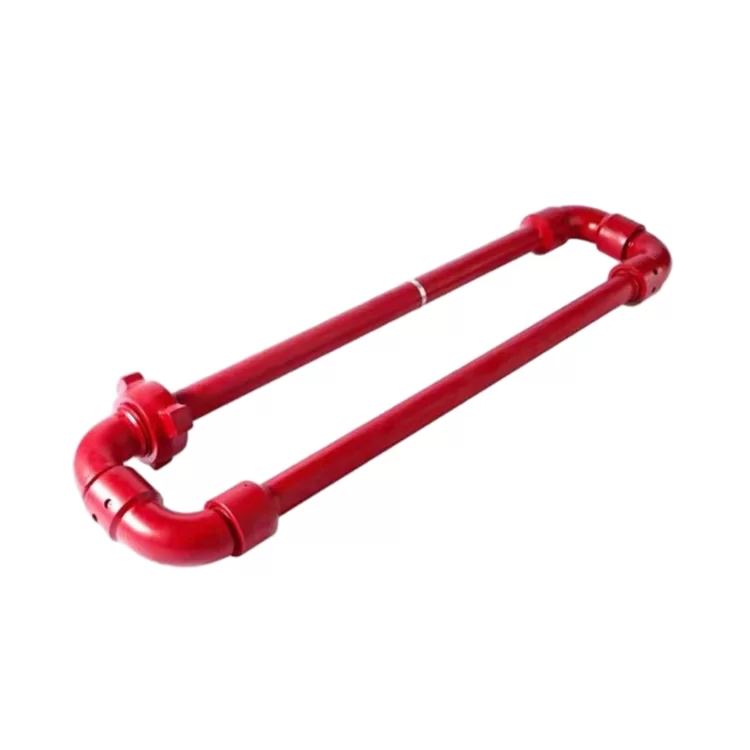
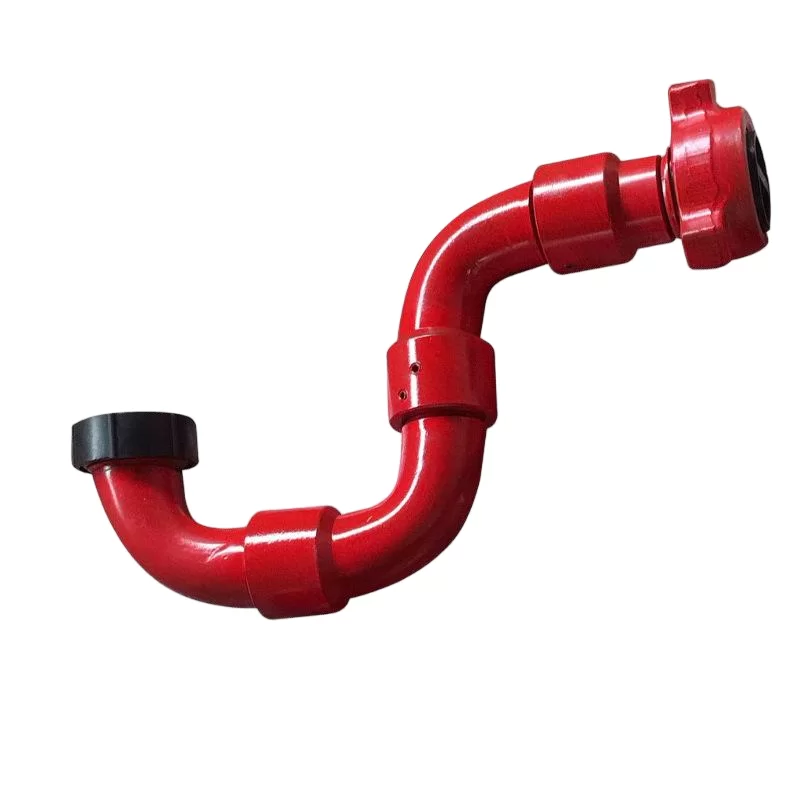
The utility of these components spans various heavy industries. In oilfield drilling, relief valves are integrated into manifold assemblies to protect rotary hoses from surges. In the mining sector, they protect hydraulic systems from pressure spikes during heavy lifting operations. A versatile relief valves manufacturers Manufacturer ensures that their products can be seamlessly integrated into diverse piping layouts, providing a universal safety layer regardless of the specific fluid being transported.

Technical Specifications for Industrial Relief Systems
When ordering from a relief valves manufacturers Manufacturer, the technical data sheet is the most important document. It defines the set pressure, the blowdown percentage (the difference between the opening and closing pressure), and the flow capacity (Cv). Proper specification prevents "chattering," a condition where the valve opens and closes rapidly, which can lead to premature wear and failure of the valve seat.
| Specification Parameter | Technical Detail |
|---|---|
| Working Temperature Range | -40°C to +450°C (depending on alloy) |
| Set Pressure Accuracy | ± 3% of set value |
| Body Material | API Standard Stainless Steel / Duplex Steel |
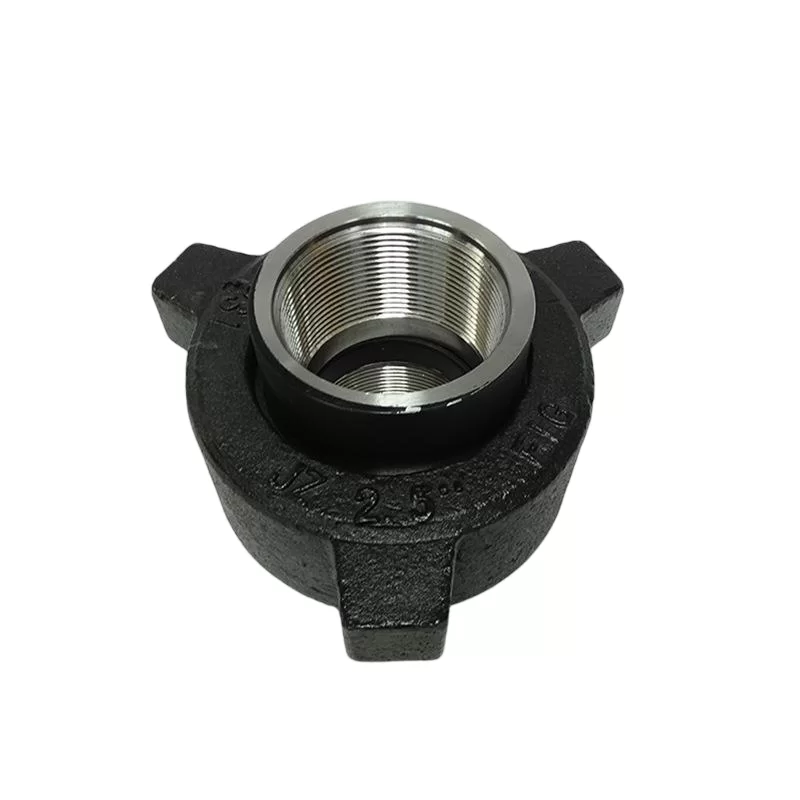
| Connection Type | Threaded, Flanged, or Welded |
Conclusion: Prioritizing Quality in Pressure Protection
Selecting a qualified relief valves manufacturers Manufacturer is the most effective way to mitigate industrial risk. By focusing on material quality, strict adherence to API/ASME standards, and precise engineering, companies can ensure their operational longevity and protect their workforce. Investing in high-grade relief valves reduces the total cost of ownership by minimizing downtime and avoiding the catastrophic costs associated with system failures. Trust in expertise, verify the certifications, and prioritize safety.
Frequently Asked Questions (FAQs)
How often should relief valves be tested and recalibrated?
The frequency of testing depends on the severity of the medium and the operational environment. In highly corrosive chemical plants, testing may be required every 6 to 12 months. For standard oil and gas applications, an annual inspection is typical. Recalibration by a certified relief valves manufacturers Manufacturer ensures that the spring tension hasn't drifted due to fatigue or temperature cycling, maintaining the exact set point for maximum safety.
What is the difference between a relief valve and a safety valve?
While often used interchangeably, a relief valve is typically designed for incompressible fluids (liquids) and opens gradually in proportion to the increase in pressure. A safety valve is designed for compressible fluids (gases/steam) and "pops" open rapidly at the set pressure to evacuate a large volume of gas quickly. Choosing the correct type from your relief valves manufacturers Manufacturer is vital to prevent system instability during an overpressure event.
Can I customize the set pressure for my specific application?
Yes, professional manufacturers offer customized set pressure options. By adjusting the spring rate and preload, the valve can be tuned to the exact requirements of your system. It is recommended to provide your relief valves manufacturers Manufacturer with your Maximum Allowable Working Pressure (MAWP) and the calculated discharge capacity to ensure the valve is correctly sized and calibrated for your specific project.
What materials are best for highly corrosive chemical environments?
For highly corrosive environments, 316L stainless steel is the baseline, but for stronger acids or chlorides, alloys like Hastelloy C-276 or Monel 400 are preferred. These materials prevent stress corrosion cracking and pitting. A reputable relief valves manufacturers Manufacturer will provide a material compatibility chart to help you select the best option based on the pH and temperature of your process fluid.