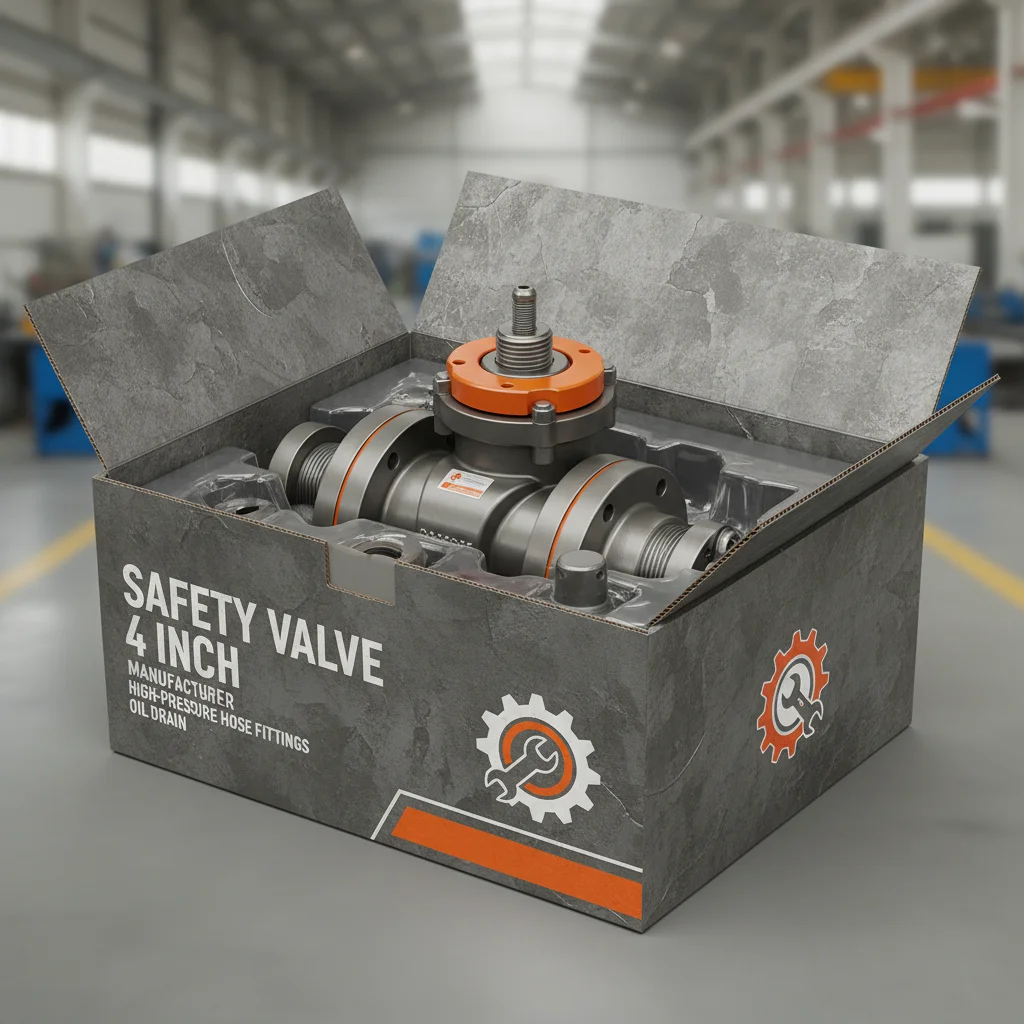
Different Types of Safety Valves Manufacturer
Safety valves are critical components in numerous industrial applications, protecting equipment and personnel from overpressure situations. Selecting the right type of safety valve is paramount, and understanding the various options available is essential. HRZZ Parts is a leading safety valve manufacturer, specializing in a wide range of solutions to meet diverse industry needs. This article will explore the different types of safety valves, their applications, and considerations for choosing the best option for your specific requirements. Ensuring the safety and reliability of your systems starts with a properly selected and maintained safety valve.
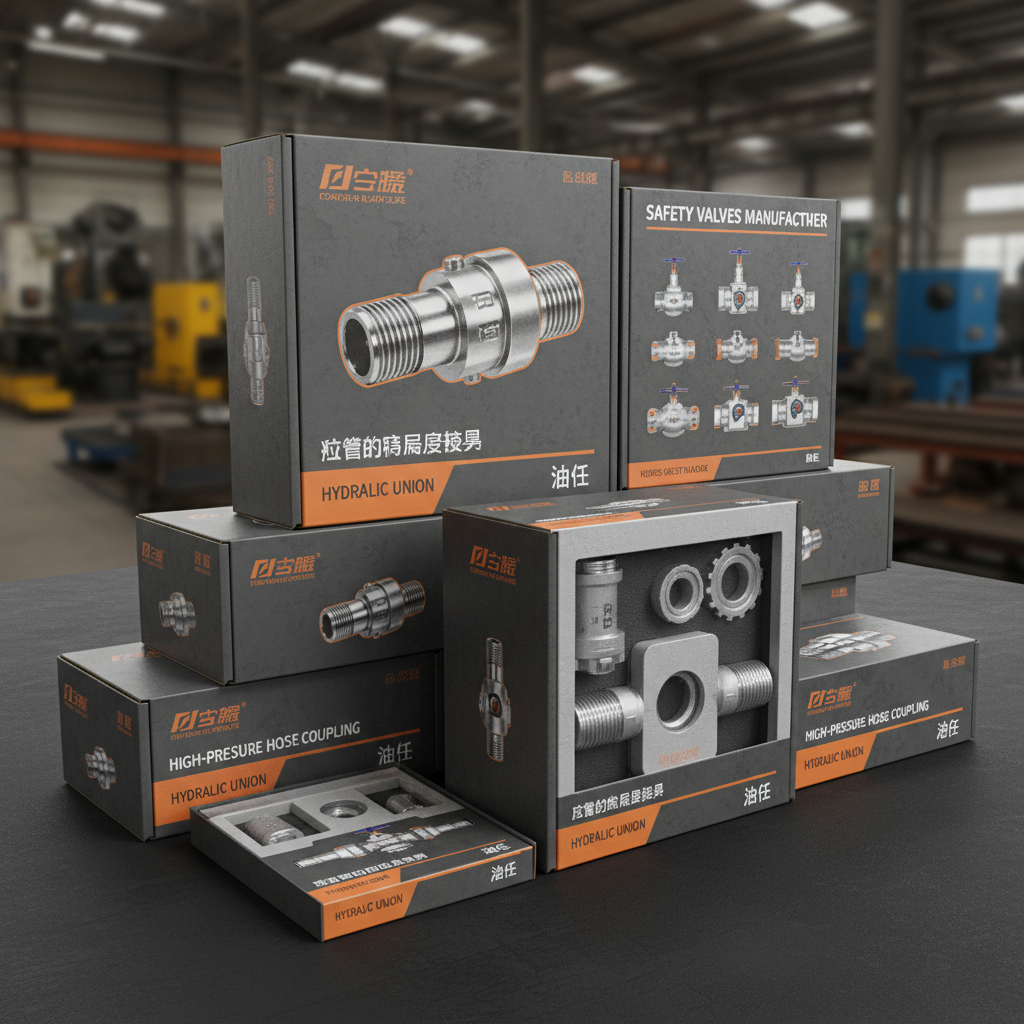
Conventional Spring-Loaded Safety Valves
The most common type of safety valve, conventional spring-loaded valves utilize a spring to oppose the pressure of the system. When the system pressure exceeds the set pressure, the valve opens, relieving the excess pressure. These valves are known for their simplicity, reliability, and relatively low cost. They are widely used in various applications including boilers, pressure vessels, and pipelines. They require regular testing and maintenance to ensure the spring maintains its proper tension and the valve functions correctly. HRZZ Parts offers a comprehensive range of conventional spring-loaded safety valves designed for optimal performance and longevity.
Pilot-Operated Safety Valves
Pilot-operated safety valves are designed for applications requiring high capacity and tight closing. They utilize a pilot valve to control the main valve, offering faster response times and improved accuracy compared to conventional spring-loaded valves. These valves are particularly suitable for high-pressure and large-flow applications, such as in the oil and gas industry. They also minimize chatter and wear, extending the valve’s service life. Due to their more complex design, pilot-operated valves typically require more specialized maintenance.
Safety Relief Valves
Safety relief valves are specifically designed for liquid service and are typically used in pump systems and other liquid handling applications. They are similar in design to spring-loaded safety valves but are calibrated to handle liquids, accounting for the different characteristics of liquid flow. They prevent overpressure in liquid systems, protecting pumps, pipelines, and other equipment from damage. Proper sizing is crucial to ensure adequate relief capacity for the specific liquid and system parameters. HRZZ Parts provides safety relief valves tailored to a variety of liquid applications.
Different Types of Safety Valves: A Comparative Overview
Understanding the key differences between these valve types is crucial for selecting the optimal solution. The following table provides a comparative overview, highlighting the strengths and weaknesses of each type.
| Valve Type | Application | Capacity | Complexity | Cost |
|---|---|---|---|---|
| Conventional Spring-Loaded | General purpose, boilers, vessels | Moderate | Simple | Low |
| Pilot-Operated | High pressure, large flow | High | Complex | High |
| Safety Relief Valve | Liquid service, pump systems | Moderate | Simple | Low to Moderate |
Selecting the Right Safety Valve: Key Considerations
Choosing the correct safety valve requires careful consideration of several factors, including the system fluid, pressure, temperature, flow rate, and applicable regulations. Proper sizing is critical to ensure the valve can adequately relieve excess pressure. Material compatibility with the system fluid is also essential to prevent corrosion and ensure long-term reliability. HRZZ Parts offers expert guidance to help you select the optimal safety valve for your specific application. We specialize in providing high-quality valves and ensuring compliance with industry standards.
Conclusion: Ensuring System Safety with the Right Valve
Selecting the appropriate safety valve is a crucial step in protecting your equipment and personnel. HRZZ Parts offers a comprehensive range of safety valves, expert guidance, and reliable service. Investing in quality valves and regular maintenance is a proactive approach to ensuring a safe and efficient operation.
Frequently Asked Questions (FAQs)
What is the importance of regular safety valve testing?
Regular testing is crucial to verify that a safety valve will function correctly when needed. Over time, components can corrode, springs can lose tension, and debris can obstruct the valve’s operation. Testing ensures the valve opens at the correct set pressure and seals properly afterward. Industry standards often require periodic testing and documentation. Failure to test can lead to catastrophic consequences in an overpressure event. HRZZ Parts provides testing and maintenance services to ensure your safety valves are always in optimal condition.
How do I determine the correct set pressure for a safety valve?
The set pressure should be determined by a qualified engineer, considering the system’s maximum allowable working pressure (MAWP), the properties of the fluid, and applicable codes and standards. The set pressure is typically set slightly below the MAWP to allow for normal system fluctuations. It's essential to avoid setting the pressure too high, which could compromise safety, or too low, which could cause nuisance trips. HRZZ Parts can provide assistance with set pressure calculations and valve selection.
What materials are safety valves typically made from?
Safety valves are commonly manufactured from materials like stainless steel, carbon steel, brass, and alloy steels. The choice of material depends on the system fluid, temperature, pressure, and corrosion considerations. Stainless steel is often preferred for corrosive environments, while carbon steel is suitable for many general applications. HRZZ Parts offers safety valves in a variety of materials to meet specific application requirements.