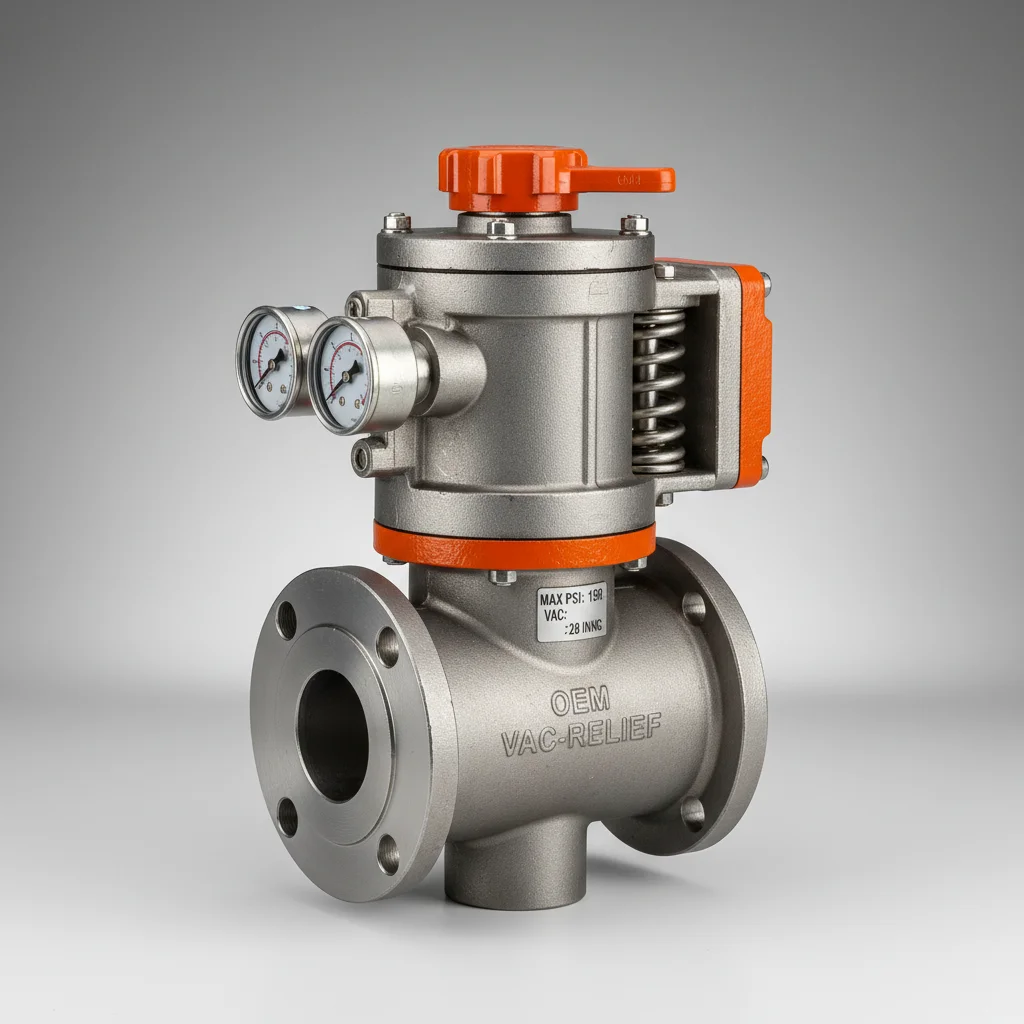
The OEM plug valve sleeve is a critical component in many industrial applications, ensuring reliable fluid control and contributing to the efficiency of various processes. Its importance extends across numerous sectors, from oil and gas to chemical processing and water treatment, impacting everything from operational costs to environmental safety. Understanding the nuances of these sleeves – their materials, design, and applications – is paramount for engineers, maintenance personnel, and procurement specialists alike.
The global demand for reliable and durable valve components is consistently high, driven by the ongoing expansion of industrial infrastructure worldwide. According to industry reports, the market for industrial valves is projected to reach significant growth in the coming years, fuelled by investments in energy, infrastructure development, and stringent environmental regulations. A core component of this market is the OEM plug valve sleeve, which directly addresses challenges associated with fluid handling, leak prevention, and long-term operational integrity.
Investing in high-quality OEM plug valve sleeves translates to reduced downtime, minimized maintenance costs, and enhanced safety, ultimately boosting overall productivity and contributing to sustainable industrial practices. The sleeves’ impact isn’t limited to efficiency; choosing the right sleeve material and design can also significantly extend the lifespan of the valve itself, optimizing return on investment for businesses.
The Importance of OEM Plug Valve Sleeves
OEM plug valve sleeves are integral to the functionality and longevity of plug valves, which are widely used for on/off control of fluids. The sleeve’s precise fit and material properties are crucial for maintaining a tight seal and preventing leakage. Choosing the right OEM plug valve sleeve significantly impacts overall system performance and reliability.
The selection of an appropriate sleeve material is determined by the fluid being handled, operating temperature, and pressure requirements. Common materials include PTFE, PEEK, and various reinforced polymers, each offering distinct advantages in terms of chemical resistance, abrasion resistance, and thermal stability.
Defining OEM Plug Valve Sleeves
An OEM plug valve sleeve is a precision-engineered component designed to fit within a plug valve body. Its primary function is to create a dynamic sealing surface that interfaces with the valve plug, controlling the flow of fluid. The “OEM” designation indicates that the sleeve is manufactured to the original equipment manufacturer's specifications, ensuring compatibility and performance.
Unlike universal sleeves, OEM sleeves are specifically designed for a particular valve model, guaranteeing optimal fit and function. This precision is critical for maintaining consistent sealing and preventing costly leaks or downtime. The sleeve essentially acts as a replaceable wear part, extending the life of the valve itself.
Plug valves featuring OEM sleeves find applications in numerous industries demanding precise fluid control. From handling corrosive chemicals to managing high-pressure gas flows, these valves – and the sleeves within them – play a vital role in maintaining safe and efficient operations.
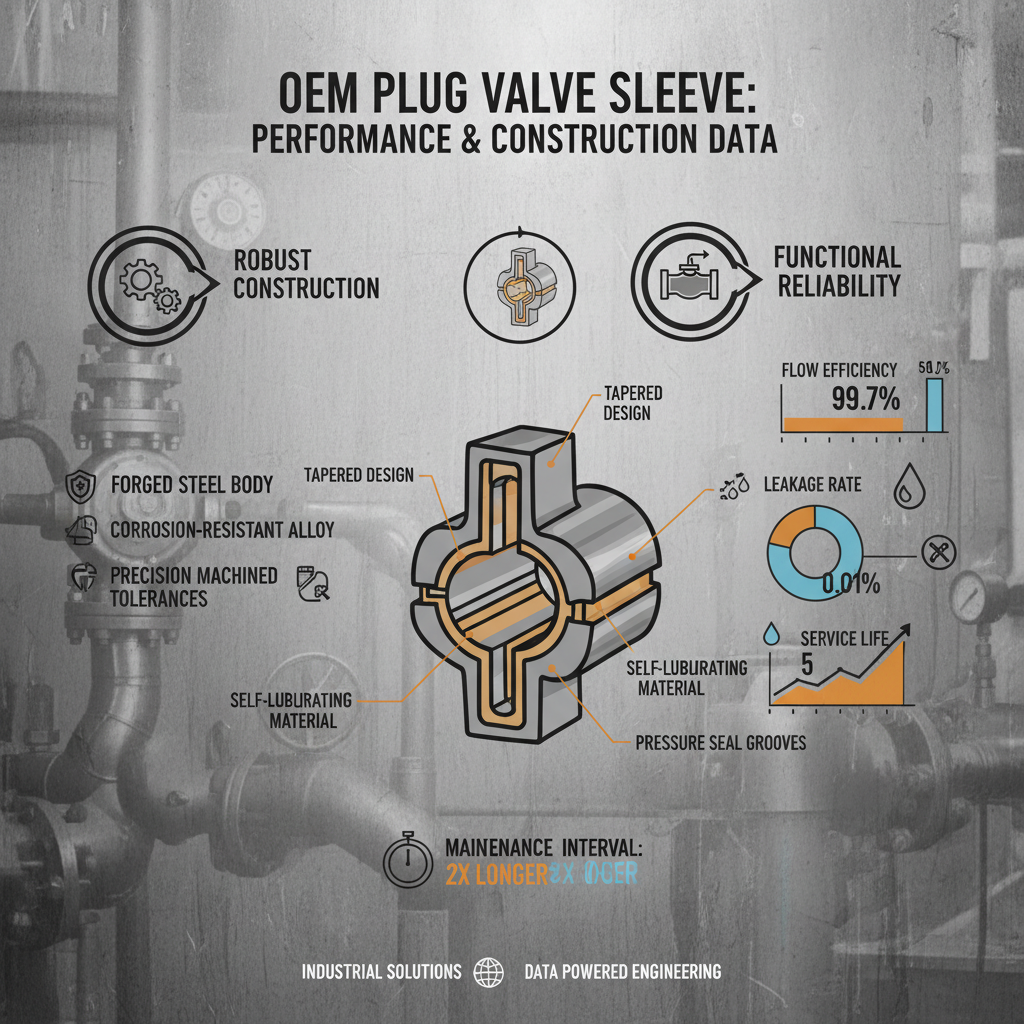
Key Characteristics of OEM Plug Valve Sleeves
One of the most important characteristics of an OEM plug valve sleeve is its material composition. The material must be chemically compatible with the fluid being controlled, resistant to abrasion, and capable of withstanding the operating temperature and pressure.
Dimensional accuracy is equally critical. OEM sleeves are manufactured to extremely tight tolerances to ensure a perfect fit within the valve body. Any deviation from these specifications can compromise the seal and lead to leakage. Proper machining and quality control are therefore essential.
Furthermore, the sleeve's surface finish plays a crucial role in sealing performance. A smooth, polished surface minimizes friction and promotes a tight seal, reducing the risk of wear and extending the sleeve's lifespan. Surface treatments like coating can further enhance these properties.
Performance Metrics for OEM Plug Valve Sleeves
Evaluating the performance of OEM plug valve sleeves requires consideration of several key metrics. Leakage rate is paramount; sleeves should exhibit minimal leakage even under extreme conditions. Abrasion resistance, measured by wear tests, indicates the sleeve's ability to withstand particulate matter and prolonged use.
Temperature and pressure ratings define the operational limits of the sleeve. Exceeding these limits can lead to premature failure and system downtime. The sleeve’s chemical compatibility is assessed by exposing it to the target fluid and monitoring for degradation or swelling.
OEM Plug Valve Sleeve Performance Comparison
Global Applications of OEM Plug Valve Sleeves
OEM plug valve sleeves are essential components in a diverse range of industries worldwide. The oil and gas sector relies heavily on these sleeves for controlling the flow of crude oil, natural gas, and refined products, both onshore and offshore.
Chemical processing plants utilize them for handling corrosive and hazardous chemicals, demanding materials with exceptional chemical resistance. Water and wastewater treatment facilities employ them for controlling the flow of water, chlorine, and other treatment chemicals, prioritizing durability and long-term reliability.
Advantages and Long-Term Value
The primary advantage of using OEM plug valve sleeves is increased reliability and reduced downtime. A properly fitted sleeve minimizes leakage, preventing costly disruptions and ensuring consistent process operation. This translates directly into cost savings through reduced maintenance and repair expenses.
Furthermore, high-quality sleeves contribute to enhanced safety by preventing the release of hazardous fluids. Choosing a sleeve made from compatible materials extends the life of the valve, optimizing the overall return on investment and promoting sustainable industrial practices.
Investing in OEM plug valve sleeves is not simply a cost of operation; it's a strategic investment in process integrity, safety, and long-term efficiency.
Future Trends and Innovations
Future advancements in OEM plug valve sleeve technology are focused on developing materials with improved chemical resistance, abrasion resistance, and temperature stability. Research into self-lubricating materials and advanced coatings is aimed at reducing friction and extending sleeve life.
The integration of digital technologies, such as embedded sensors and predictive maintenance algorithms, is also gaining traction. These sensors can monitor sleeve wear and performance, providing early warnings of potential failures and enabling proactive maintenance interventions.
Sustainability considerations are driving the development of eco-friendly materials and manufacturing processes, reducing the environmental impact of sleeve production and disposal.
Challenges and Solutions
One of the main challenges associated with OEM plug valve sleeves is identifying the correct material for a specific application. Incorrect material selection can lead to premature failure and costly downtime. Thorough fluid compatibility analysis is crucial.
Another challenge is ensuring dimensional accuracy during manufacturing. Even minor deviations from specifications can compromise the seal. Implementing rigorous quality control procedures and utilizing precision machining techniques are essential.
Addressing supply chain vulnerabilities and ensuring timely access to OEM sleeves is also critical. Establishing strategic partnerships with reliable suppliers and maintaining adequate inventory levels can mitigate these risks.
OEM Plug Valve Sleeve Performance Analysis
| Sleeve Material |
Operating Temperature (°C) |
Chemical Resistance (1-10) |
Typical Lifespan (Years) |
| PTFE |
-200 to +260 |
10 |
5-7 |
| PEEK |
-60 to +250 |
8 |
7-10 |
| Reinforced PTFE |
-200 to +200 |
9 |
8-12 |
| UHMWPE |
-100 to +80 |
7 |
3-5 |
| Nylon |
-40 to +120 |
6 |
2-4 |
| Polypropylene |
0 to +100 |
5 |
1-3 |
FAQS
The lifespan of an OEM plug valve sleeve varies considerably based on several factors, including the sleeve material, the fluid being handled, operating temperature, pressure, and the presence of abrasive particles. Generally, sleeves made from PTFE can last between 5-7 years, while those made from PEEK or reinforced PTFE may last 7-12 years or more. Regular inspection and proactive replacement are crucial to prevent failures.
Choosing the right sleeve material is paramount. First, assess the chemical compatibility of the fluid being handled. PTFE offers broad chemical resistance, while PEEK is suitable for high-temperature applications. Consider abrasion resistance if the fluid contains solids. Consult material compatibility charts and, if necessary, seek expert advice to ensure optimal performance and longevity.
Several indicators suggest a sleeve needs replacement. These include noticeable leakage around the valve, increased operating torque, difficulty in opening or closing the valve, and visible signs of wear or damage on the sleeve surface. Regular inspection during scheduled maintenance can help identify these issues early on.
OEM sleeves are manufactured to the exact specifications of the valve manufacturer, ensuring a precise fit and optimal sealing performance. Universal sleeves may not achieve the same level of accuracy, potentially leading to leakage and reduced valve lifespan. Using an OEM sleeve guarantees compatibility and maintains the valve's original design integrity.
Preventative measures include selecting the correct sleeve material, ensuring proper installation, maintaining appropriate operating conditions (temperature, pressure), and implementing a regular inspection and maintenance schedule. Filtering the fluid to remove abrasive particles can also significantly extend sleeve life. Contact us for further support.
Current innovations include the development of self-lubricating sleeves to reduce friction and wear, advanced coatings to enhance chemical resistance, and the integration of sensors for predictive maintenance. Materials like modified PEEKs are also gaining traction due to their superior properties. These advances are aimed at improving sleeve performance, lifespan, and reliability.
Conclusion
OEM plug valve sleeves are indispensable components in a wide range of industrial applications. Their precise engineering, material selection, and adherence to OEM specifications are crucial for ensuring reliable fluid control, minimizing downtime, and maximizing the lifespan of plug valves. Understanding the key characteristics and performance metrics of these sleeves empowers engineers and maintenance professionals to make informed decisions and optimize their operations.
As technology continues to advance, we can expect to see further innovations in sleeve materials and designs, driven by the need for enhanced performance, sustainability, and safety. Proactive maintenance, careful material selection, and a commitment to using genuine OEM components will remain essential for achieving long-term reliability and cost-effectiveness. Visit our website at www.hrzzparts.com to explore our range of high-quality OEM plug valve sleeves.