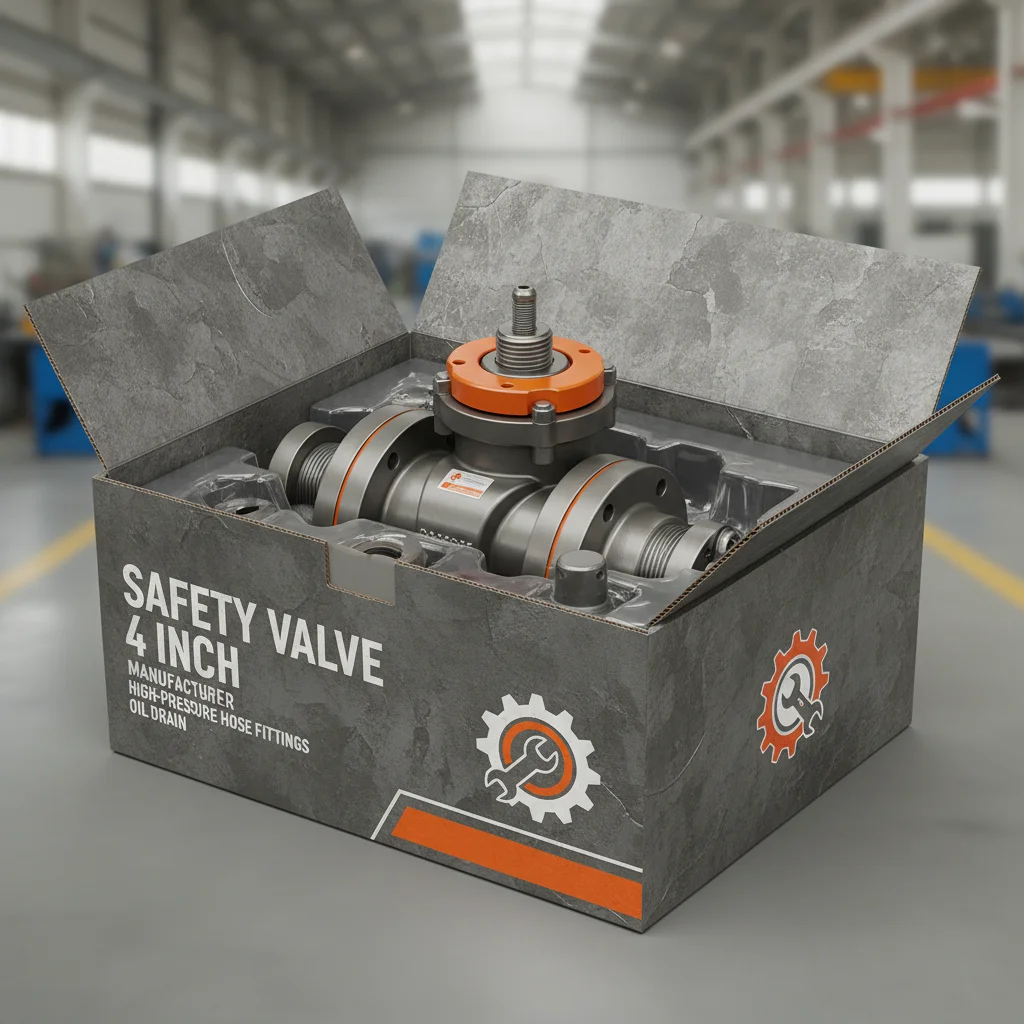
OEM Safety Valve 5 Bar: A Comprehensive Guide
In critical industrial applications, maintaining pressure within safe limits is paramount. OEM safety valves 5 bar are essential components designed to prevent overpressure scenarios. This article will delve into the function, applications, specifications, and benefits of these crucial valves, providing a thorough overview for engineers, procurement professionals, and anyone involved in pressure systems. Understanding the nuances of these valves ensures system reliability and safety.

Understanding the Role of OEM Safety Valves
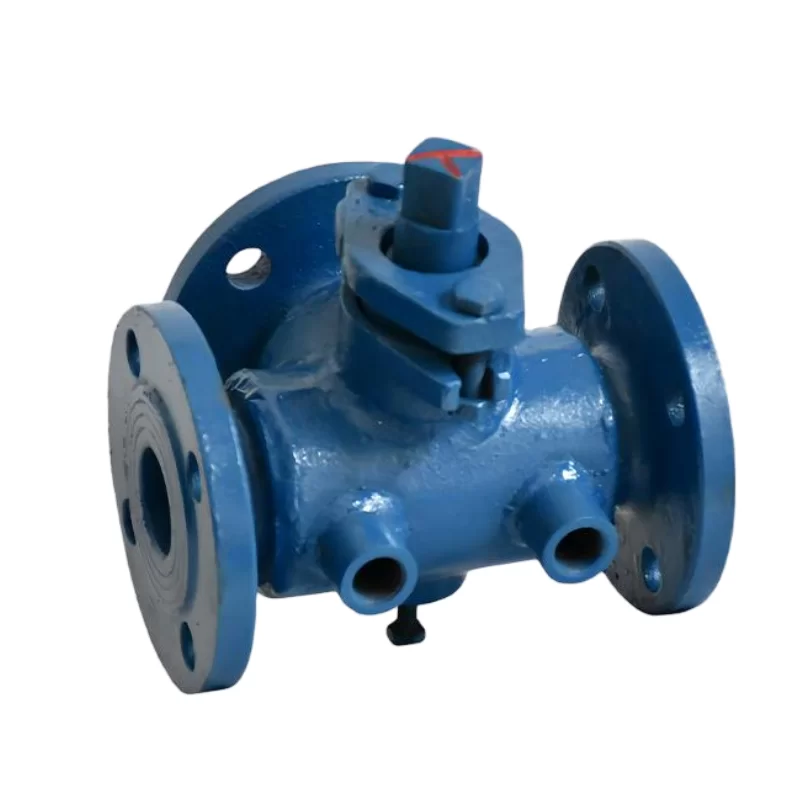
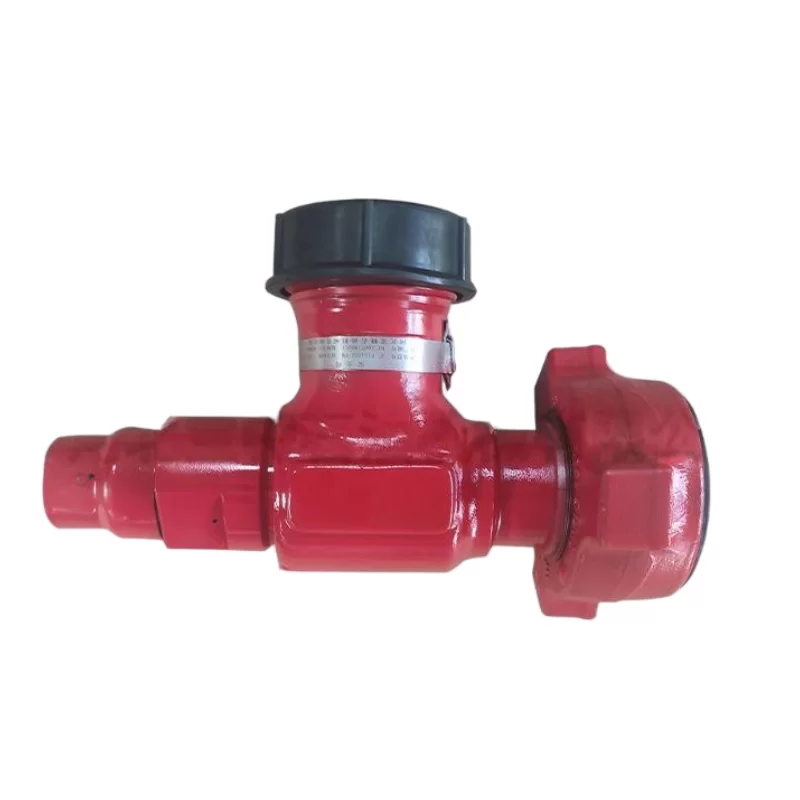
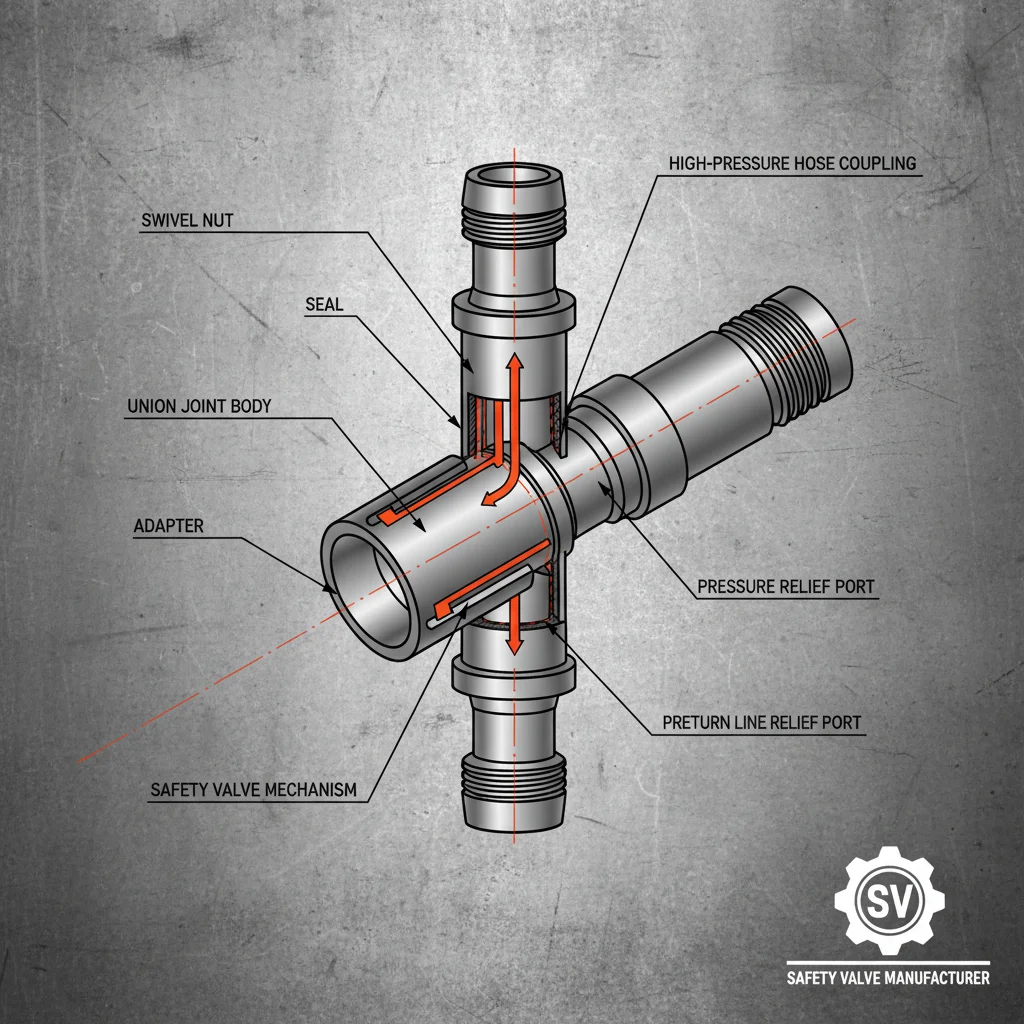
An OEM safety valve, set at 5 bar (approximately 72.5 PSI), is a spring-loaded device automatically activated by static pressure. This means when the pressure in a system exceeds the pre-set 5 bar threshold, the valve opens, relieving excess pressure to prevent equipment failure, damage, or potentially hazardous situations. 'OEM' signifies that these valves are often manufactured to meet the exact specifications of the Original Equipment Manufacturer, ensuring compatibility and optimal performance within specific systems. These valves are not simply add-ons; they are integral parts of a larger, carefully engineered process.
Key Benefits: Prevents equipment damage, safeguards personnel, ensures system compliance, and minimizes downtime due to overpressure events.
Applications Across Industries
OEM safety valves 5 bar find extensive use across a diverse range of industries. Common applications include: hrzzparts.com specializes in providing these vital components to these varied sectors. These industries benefit from the valve’s reliability and precision in maintaining safe operating pressures. The correct valve selection is crucial for efficient and safe operation.
Common Applications:
• Hydraulic Systems: Protecting pumps, cylinders, and other hydraulic components.
• Pneumatic Systems: Regulating air pressure in compressors, actuators, and control systems.
• Boiler Systems: Preventing overpressure in steam boilers and related equipment.
• Chemical Processing: Ensuring safe operation in chemical reactors and storage tanks.
OEM Safety Valve 5 Bar vs. Other Pressure Relief Devices
While other pressure relief devices exist, such as pressure regulating valves and rupture disks, safety valves offer a distinct advantage: automatic and re-sealable pressure relief. Unlike rupture disks, which are a one-time-use solution, a safety valve will automatically open when pressure exceeds 5 bar and then automatically close once pressure returns to a safe level. This cyclical operation makes them ideal for applications where pressure fluctuations are common. hrzzparts.com offers a wide range of safety valves to suit diverse application requirements.
| Device | Operation | Re-sealable? |
|---|---|---|
| Safety Valve (5 Bar) | Automatic opening & closing | Yes |
| Rupture Disk | One-time burst | No |
| Pressure Regulating Valve | Continuous pressure control | Yes |
Key Specifications of OEM Safety Valve 5 Bar
When selecting an OEM safety valve 5 bar, consider the following specifications to ensure compatibility and optimal performance:
| Specification | Detail |
|---|---|
| Set Pressure | 5 Bar (72.5 PSI) |
| Connection Size | Various (e.g., 1/4", 3/8", 1/2" NPT) |
| Body Material | Brass, Stainless Steel, Carbon Steel |
| Temperature Range | -20°C to +100°C (Depending on Material) |
Conclusion: Ensuring Safety with Reliable Valves
Investing in high-quality OEM safety valves 5 bar is a crucial step in maintaining the integrity and safety of pressure systems. By understanding their function, applications, and specifications, you can ensure optimal performance and prevent costly downtime and potential hazards. hrzzparts.com is your trusted source for reliable and certified safety valves.
Frequently Asked Questions (FAQs)
What maintenance is required for a 5 bar safety valve?
Regular inspection is crucial. At least annually, and more frequently in harsh environments, inspect the valve for corrosion, damage, and ensure it operates freely. Perform a manual lift test to confirm the valve opens and reseats properly. Do not attempt to repair the valve yourself; contact a qualified technician. Proper maintenance ensures continued reliability and prevents failure during a critical overpressure event. Keep detailed records of all inspections and maintenance performed.
How do I determine the correct safety valve size for my application?
Determining the correct size involves calculating the required discharge capacity based on factors like system volume, pressure buildup rate, and allowable discharge pressure. This calculation is complex and often requires engineering expertise. A qualified engineer should perform this calculation to ensure adequate protection. Using a valve that is too small can render it ineffective, while a valve that is too large can cause system instability.
What materials are OEM safety valves 5 bar typically made from?
Common materials include brass, stainless steel (304, 316), and carbon steel. The choice of material depends on the fluid being handled, the operating temperature, and the potential for corrosion. Stainless steel is often preferred for corrosive environments. Ensure the material is compatible with the system fluid to prevent valve failure or contamination.