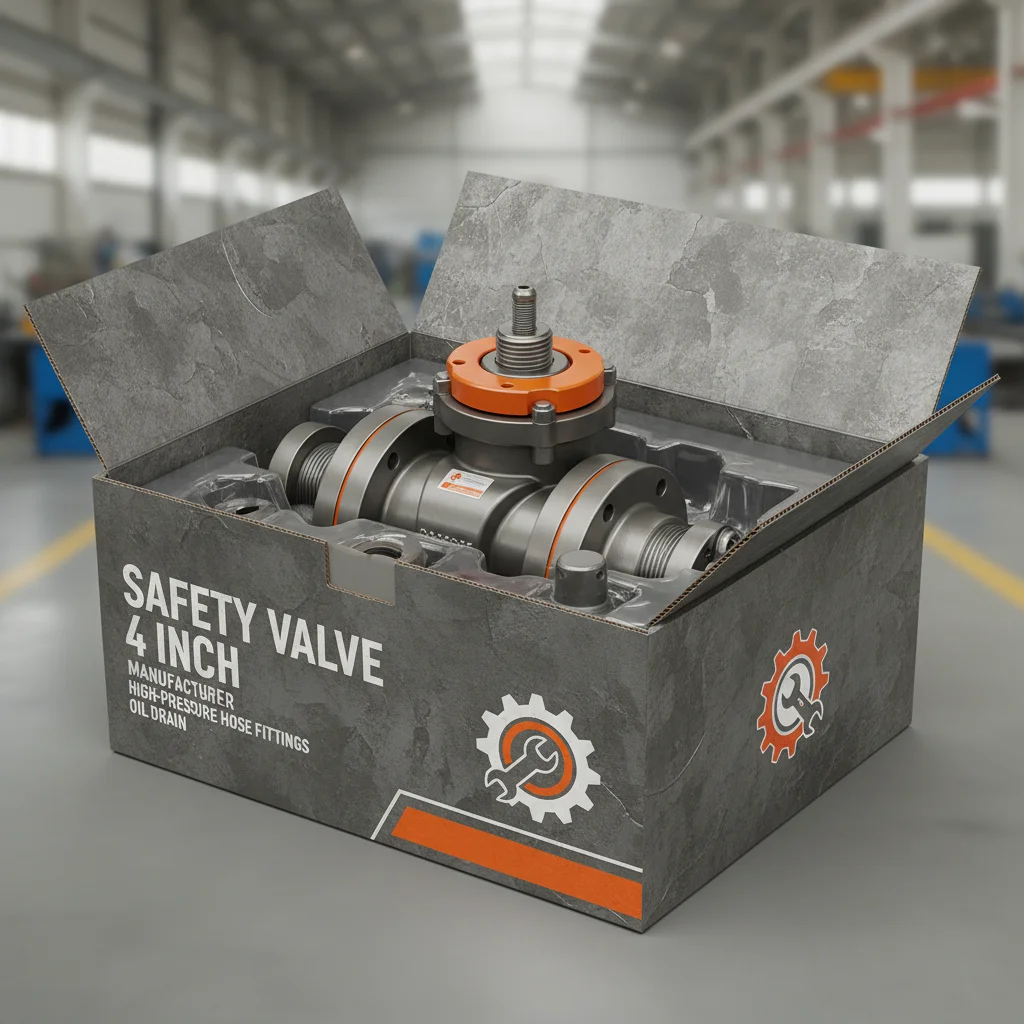
OEM Safety Valve 3 Bar: A Comprehensive Guide
Ensuring the safe operation of pressurized systems is critical across numerous industries. OEM safety valves, particularly those rated at 3 bar, play a vital role in preventing catastrophic failures. This article delves into the function, applications, specifications, and selection considerations for these essential components. Understanding the nuances of a 3 bar safety valve is paramount for maintaining system integrity and personnel safety.

Understanding the Function of an OEM Safety Valve
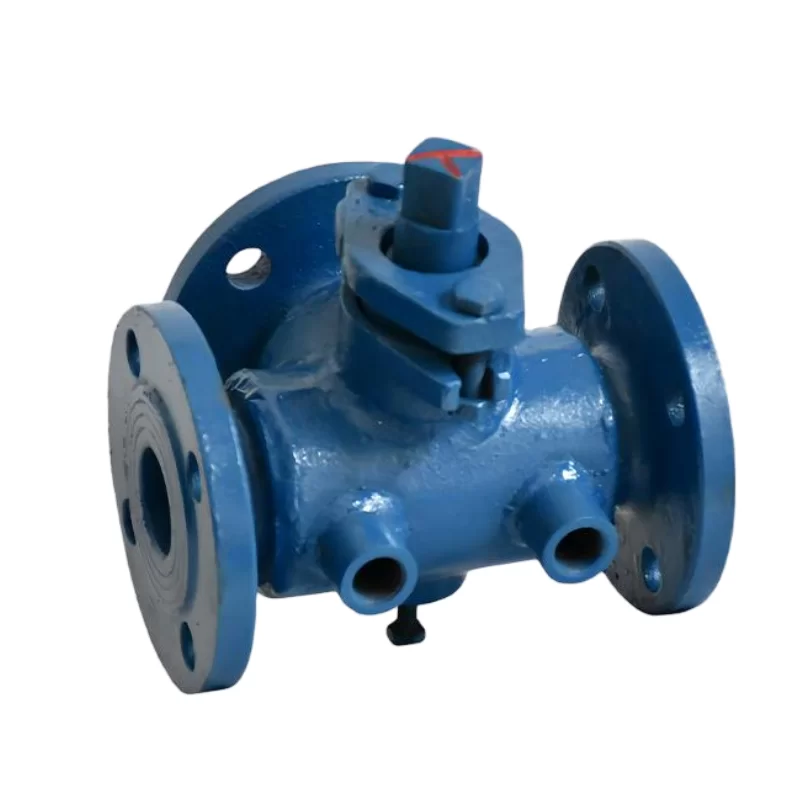
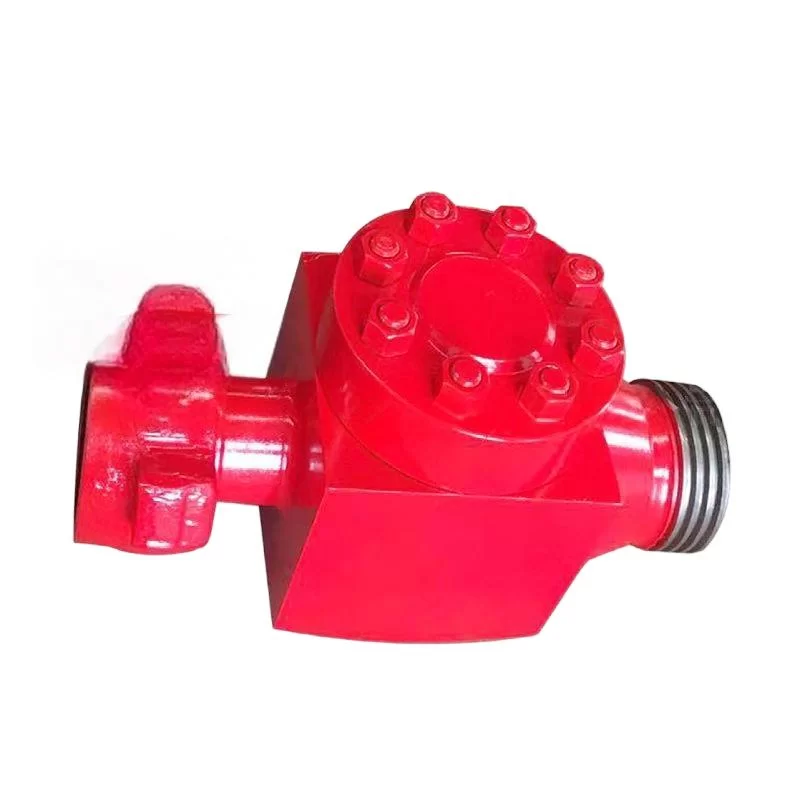
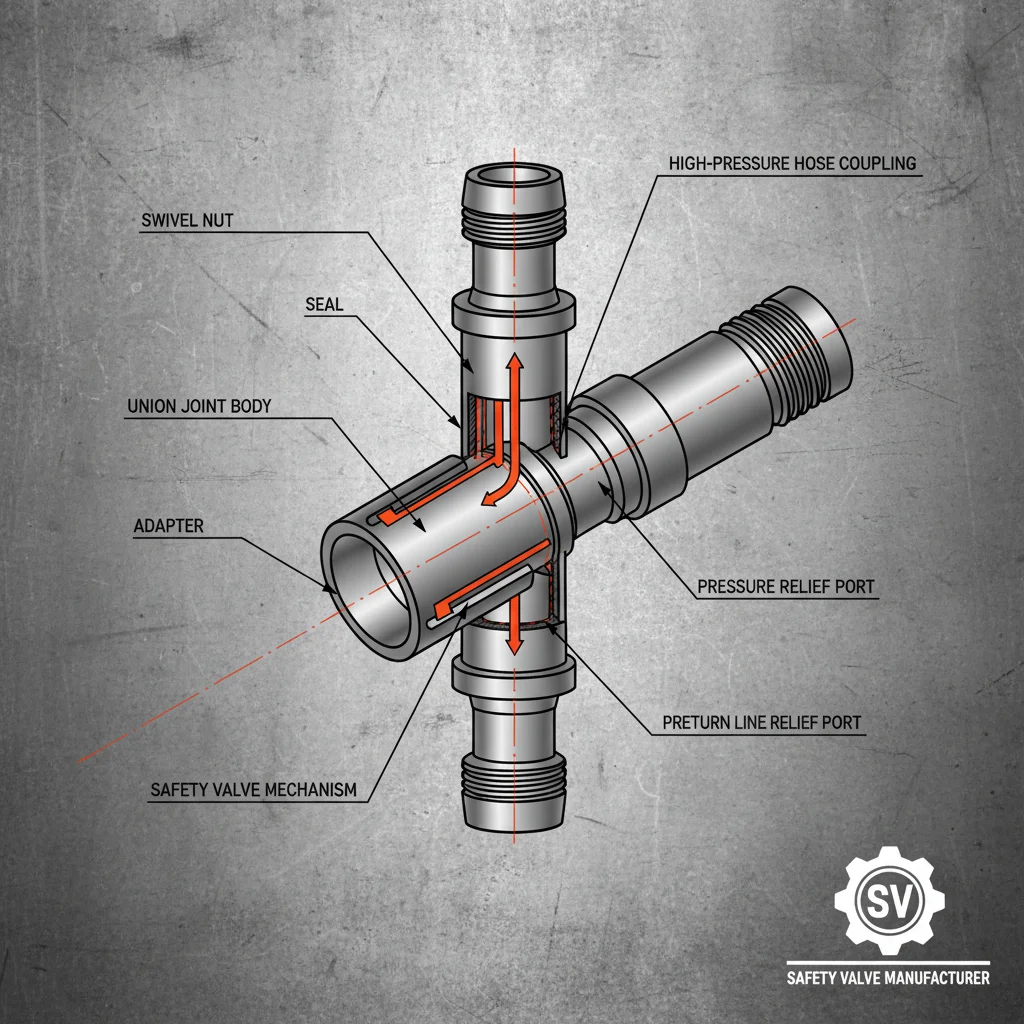
An OEM safety valve, also known as a pressure relief valve (PRV), is a critical safety device designed to automatically release pressure from a system when it exceeds a predetermined limit—in this case, 3 bar. This prevents over-pressurization, which can lead to equipment damage, process disruptions, or even dangerous explosions. These valves are typically used in applications involving gases, liquids, or steam. They’re crucial in industries like chemical processing, power generation, and oil & gas, safeguarding both equipment and personnel. They are designed to protect pressure vessels, pipelines, pumps and other equipment from failure due to overpressure.
Key Takeaway: A 3 bar safety valve acts as a final defense against overpressure, releasing excess pressure before it reaches dangerous levels.
Applications of OEM Safety Valve 3 Bar
The 3 bar pressure rating makes these valves suitable for a diverse range of applications. Common uses include: protecting small boilers and heating systems, regulating pressure in air compressors, safeguarding hydraulic systems, and serving as critical components in industrial process control. Their compact size and reliable performance make them ideal for integration into various OEM (Original Equipment Manufacturer) products. Accurate selection of the valve is important to the life of the product it is protecting.
Common Applications:
• Small Boilers & Heating Systems
• Air Compressors
• Hydraulic Systems
• Industrial Process Control
OEM Safety Valve 3 Bar: Specifications and Materials
Understanding the specifications and materials of a 3 bar safety valve is crucial for ensuring compatibility with your application. Key factors include the valve body material (typically brass, stainless steel, or carbon steel), the seat material (often PTFE or metal), and the connection type (threaded, flanged, etc.). The spring material determines the valve’s set pressure and reset pressure. Here's a comparison table outlining common materials:
| Component | Material Options | Typical Applications |
|---|---|---|
| Valve Body | Brass, Stainless Steel (304, 316), Carbon Steel | Water, Air, Non-Corrosive Fluids |
| Seat | PTFE, Metal (e.g., Stainless Steel) | Varies based on fluid compatibility |
| Spring | Stainless Steel, Alloy Steel | Determines Set Pressure |
Selecting the Right 3 Bar Safety Valve
Choosing the correct safety valve is critical. Consider the fluid type (gas, liquid, steam), temperature, pressure fluctuations, and the system’s flow rate. It's also important to choose a valve with the appropriate certification for your industry. Carefully review the valve’s capacity (measured in kg/hr or lb/hr) to ensure it can adequately relieve the maximum potential overpressure scenario. HRZZ Parts offers a wide range of safety valves to meet diverse application needs.
Maintenance and Testing
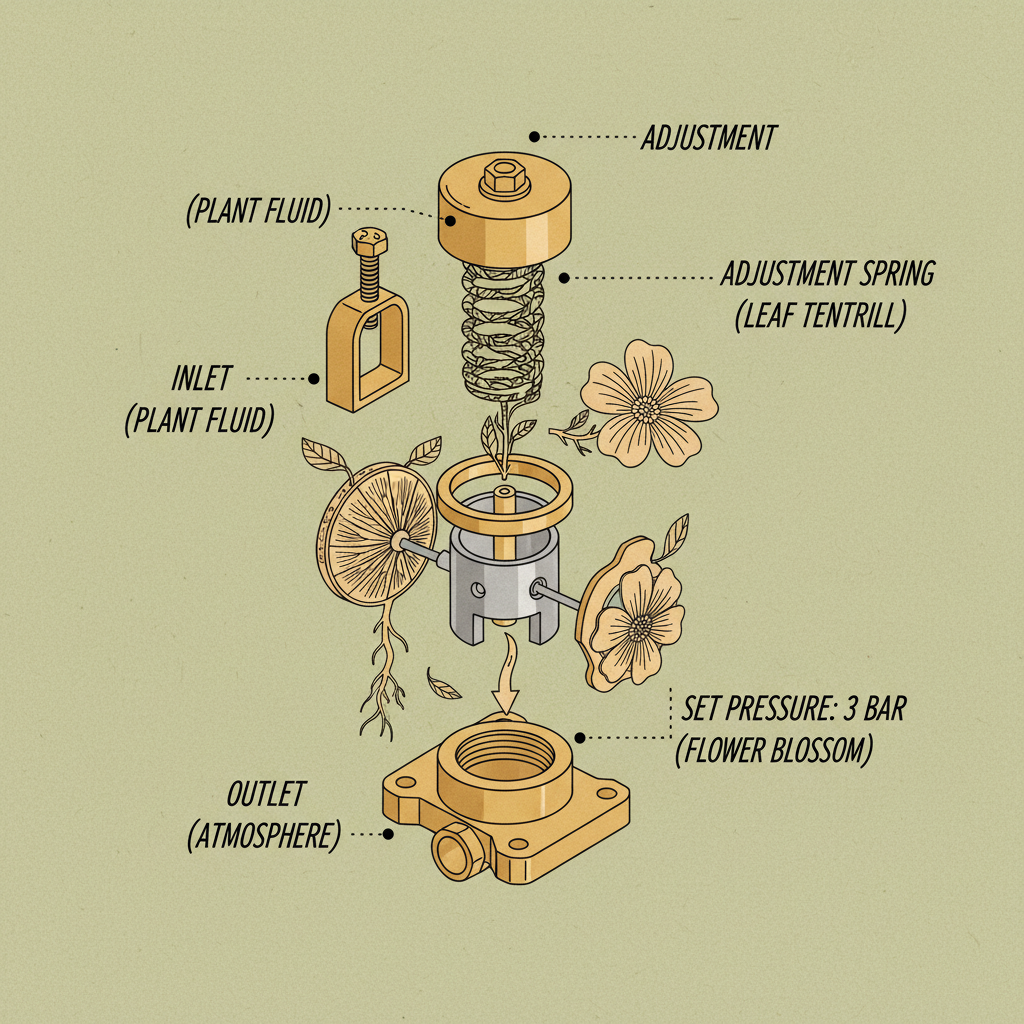
Regular inspection and testing are essential to ensure the safety valve functions correctly. This includes visual checks for corrosion or damage, and periodic testing to verify the set pressure and operation. Follow the manufacturer's recommended maintenance schedule. Properly maintained safety valves provide reliable protection and prevent costly downtime.
Conclusion: Prioritizing Safety with Reliable Valves
Investing in high-quality OEM safety valves, like our 3 bar models, is a crucial step in safeguarding your systems and personnel. Regular maintenance and proper selection based on your specific application are key to ensuring long-term reliability and safety. Don't compromise on safety – choose a trusted supplier like HRZZ Parts.
Frequently Asked Questions (FAQs)
What is the difference between a safety valve and a relief valve?
While often used interchangeably, there's a subtle difference. A safety valve is designed for rapid, full-lift opening when pressure reaches its set point, typically used for compressible fluids like gases. A relief valve opens proportionally to the overpressure, and is generally used for incompressible fluids like liquids. Both serve to prevent overpressure, but their operational characteristics differ. A 3 bar safety valve will fully open when 3 bar is reached, while a 3 bar relief valve will open in proportion to how far beyond 3 bar the pressure rises.
How often should a 3 bar safety valve be tested?
The frequency of testing depends on the application and industry regulations. However, a general guideline is to test annually, or after any event that could potentially have affected the valve's functionality (e.g., a pressure surge). Testing should be performed by qualified personnel using appropriate testing equipment. It’s best to consult specific industry standards and the manufacturer’s recommendations.
What factors influence the capacity of a safety valve?
Several factors affect the capacity of a safety valve, including the fluid type, pressure, temperature, and the valve's orifice size. A larger orifice allows for a greater flow rate. Accurate sizing is crucial to ensure the valve can adequately relieve overpressure. Manufacturers provide sizing calculations based on these parameters. The required capacity is dictated by the potential overpressure scenarios within the system.