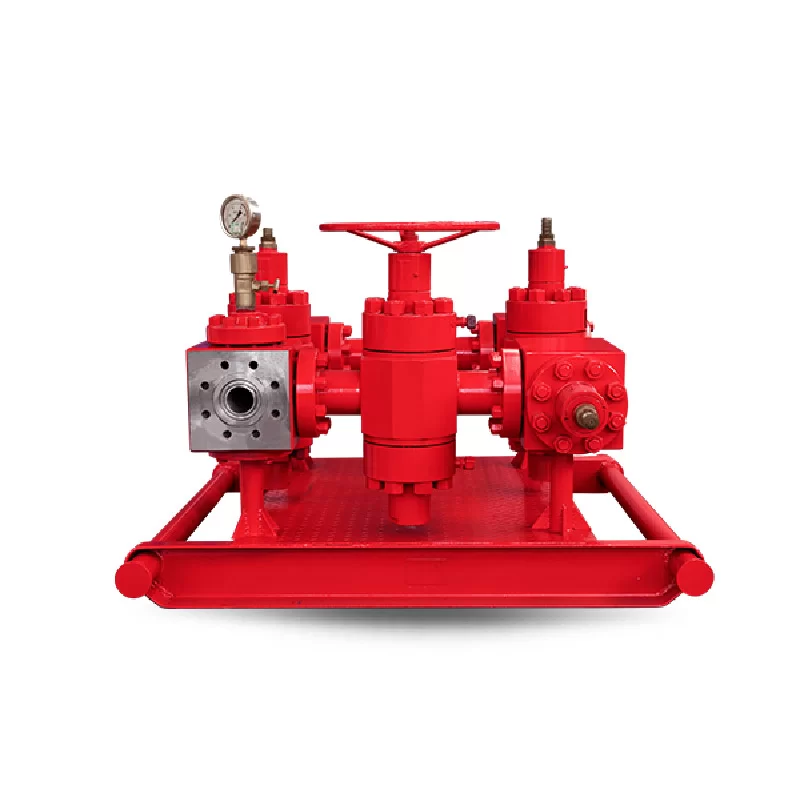
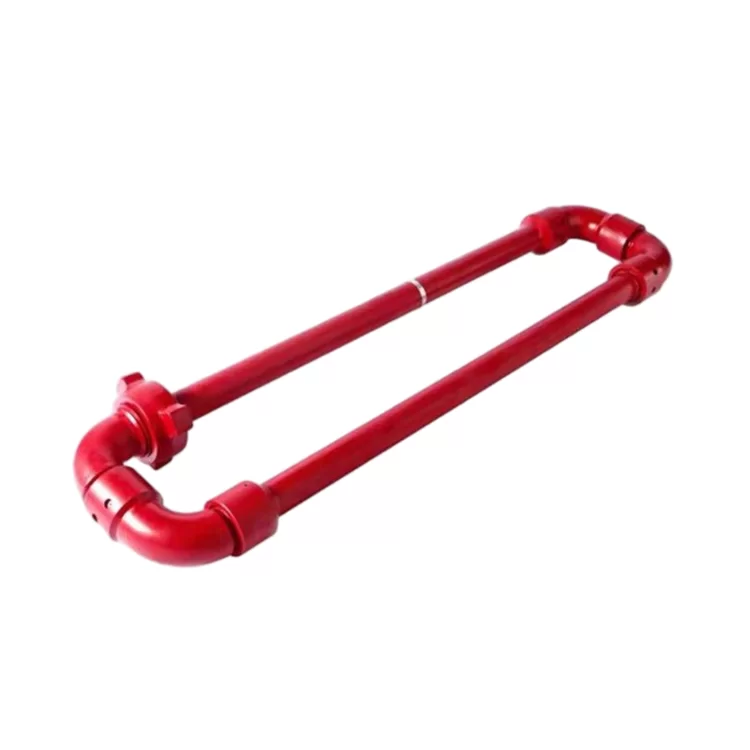
Advanced Oilfield Connection Solutions with Hammer Lug Union for New Zealand

Advanced Oilfield Connection Solutions with Hammer Lug Union for New Zealand

  • Home
  • Global Service
  • Advanced Oilfield Connection Solutions with Hammer Lug Union for New Zealand

Advanced Oilfield Connection Solutions with Hammer Lug Union for New Zealand

High-performance pressure control and piping components engineered for the demanding geothermal and petrochemical sectors across Oceania.

Advanced Oilfield Connection Solutions with Hammer Lug Union for New Zealand

Providing the New Zealand energy sector with certified, durable, and precision-engineered piping components to ensure operational safety in high-pressure environments.

Market Analysis of Pressure Equipment in New Zealand

Addressing the unique geological and regulatory requirements of the Oceania region.

New Zealand's industrial landscape is characterized by a unique blend of geothermal energy exploitation and targeted oil and gas exploration. Due to the highly corrosive nature of geothermal fluids and the volatile volcanic terrain, the demand for a high-quality stainless Steel Flange has surged to prevent rapid oxidation and stress-corrosion cracking in piping networks.

The regional focus on strict environmental protection and "Zero Leak" policies means that traditional sealing methods are no longer sufficient. Operators are increasingly integrating the plug valve for its superior sealing capabilities and minimal leakage rates, which is critical for protecting New Zealand's pristine ecosystems from petrochemical contamination.

Furthermore, the logistical challenges of remote drilling sites in the Taranaki basin require equipment that can be deployed and maintained rapidly. The use of the API flange standard ensures global interoperability, allowing local firms to maintain infrastructure with standardized parts that meet rigorous American Petroleum Institute safety benchmarks.
Evolution and Trajectory of Drilling Equipment

From conventional mechanical seals to smart, corrosion-resistant alloys.

Market Development History

In the early stages of New Zealand's energy development (1960s-1980s), the industry relied on heavy cast iron components. However, the lack of precision led to frequent failures in high-pressure steam environments, necessitating a shift toward standardized API flange specifications to improve safety.

By the 2000s, the transition toward "Clean Energy" and geothermal expansion demanded higher material grades. This era saw the widespread adoption of the stainless Steel Flange to combat the aggressive H2S and CO2 concentrations found in deep-well geothermal reservoirs.

Recently, the focus has shifted toward maintenance efficiency. The introduction of the Spectacle Blind Flange flang has revolutionized the isolation process during maintenance, allowing operators to visually verify that a section of the plant is safely blinded without dismantling the entire line.

Future Development Trends

Digital Twin Integration

Integration of IoT sensors within valve bodies to monitor the wear and tear of the plug valve in real-time, predicting failure before it occurs.

Advanced Super-Alloys

Development of Nickel-based alloys to replace standard steel in extreme geothermal environments, enhancing the lifespan of critical connection points.

Automated Isolation Systems

A trend toward remotely actuated isolation valves that replace manual blinding, reducing the risk of human error in hazardous zones.

Industry Outlook and Strategic Forecast

Predicting the shifts in New Zealand's specialized equipment manufacturing.

Sustainability Compliance
Shift towards low-emission components to align with New Zealand's 2050 net-zero goals.
Modular Design
Increased demand for rapid-deployment modular units using quick-connect unions.
Material Optimization
Using additive manufacturing to create complex internal geometries for better flow control.
Predictive Maintenance
Moving from scheduled to condition-based maintenance for all critical flanges.

Industry Outlook

Google search trends indicate a rising interest in "sustainable geothermal extraction" and "corrosion-resistant piping" within the Oceania region. This suggests that the market is moving away from generic carbon steel toward specialized materials that can withstand extreme thermal cycling.

Over the next 3-5 years, we expect a convergence of mechanical reliability and digital monitoring. The ability to verify the integrity of a seal remotely will become a standard requirement for all new drilling permits in New Zealand.

Localized Applications in New Zealand

Real-world deployment of specialized equipment in diverse environments.

1. Taupō Volcanic Zone Geothermal Plants

Utilizing the stainless Steel Flange to handle superheated steam and corrosive minerals, ensuring the longevity of the heat exchange network.

2. Taranaki Basin Offshore Drilling

Deployment of the API flange for high-pressure wellhead connections, meeting international standards for offshore safety and leakage prevention.

3. Auckland Industrial Chemical Processing

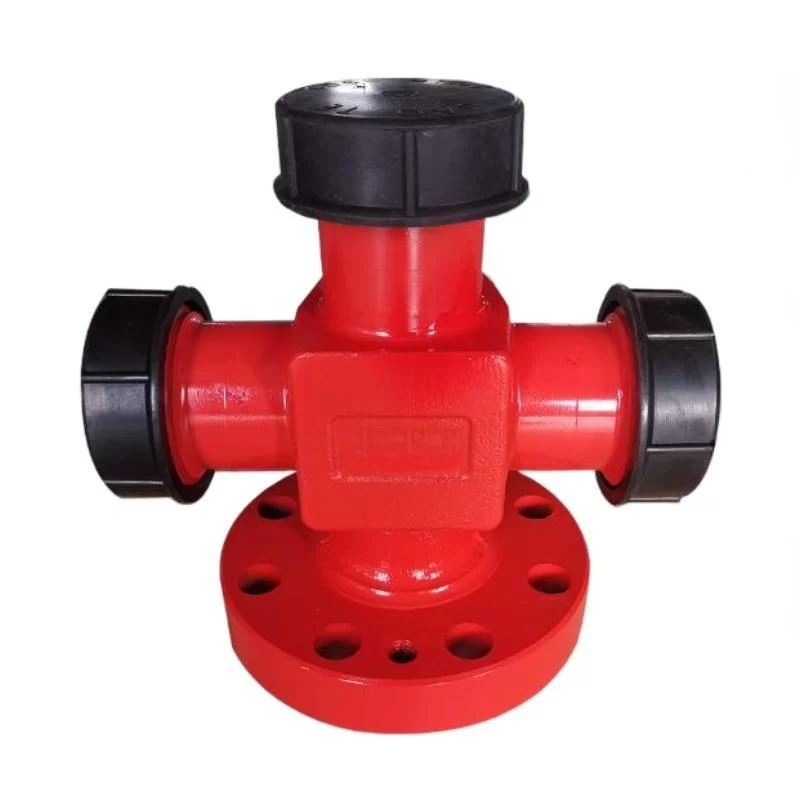
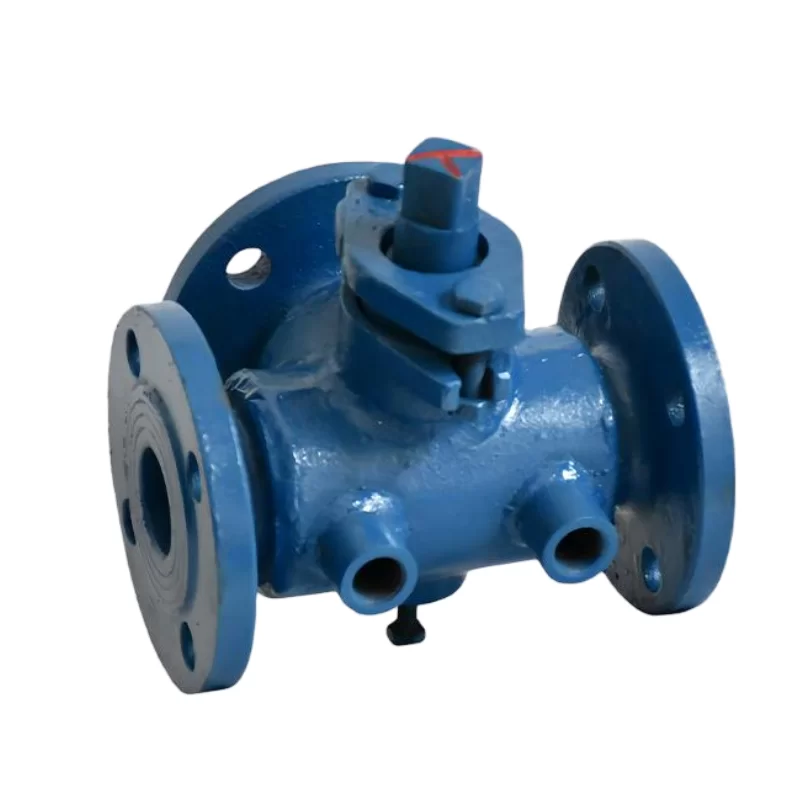
Installation of the plug valve for precise control of hazardous fluid flows, ensuring zero-leakage during critical transfer operations.

4. Southern Alps Mining Infrastructure

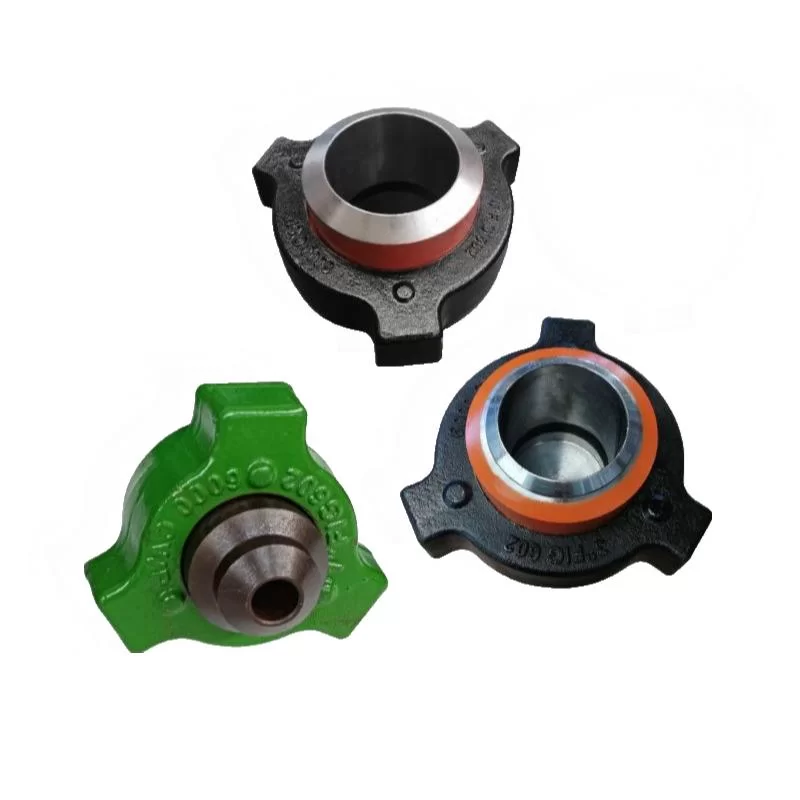
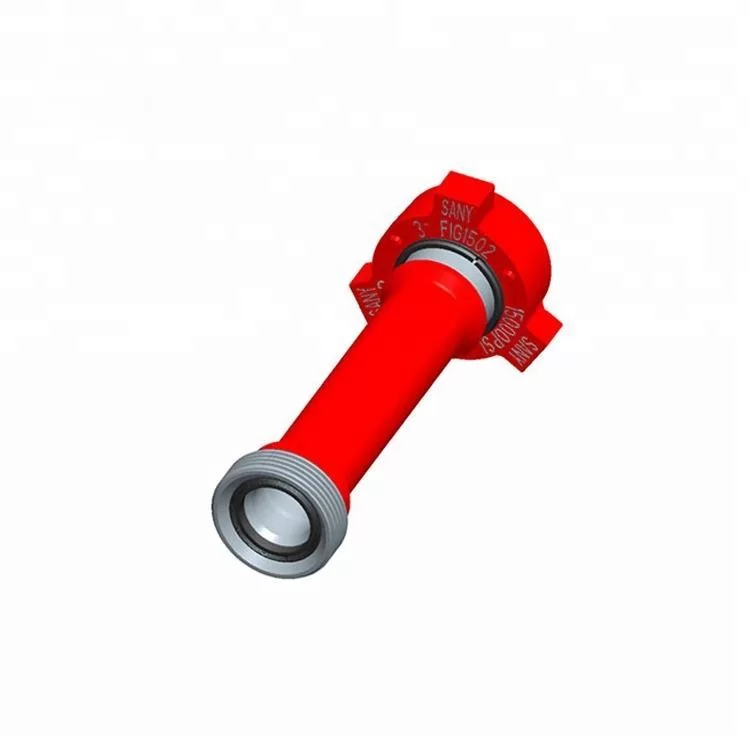
Applying the Hammer Lug Union for rapid assembly of slurry pipelines in rugged, mountainous terrain where traditional welding is impractical.

5. North Island Natural Gas Pipelines

Implementing the Spectacle Blind Flange flang at strategic intervals to facilitate safe isolation and inspection of the gas transmission grid.

Brand Story

Global Development Journey of Hengshui Jinheng Rubber and Plastic Manufacturing Co., Ltd.

Foundational Excellence

Established with a focus on precision manufacturing, we began by solving basic sealing failures for local industrial plants, emphasizing material purity.

Standardization Leap

We expanded our capabilities to meet API and ASME standards, enabling our products to enter the global oil and gas market with certified reliability.

Material Innovation

Investing in R&D to develop advanced corrosion-resistant alloys, specifically targeting the geothermal and chemical processing sectors.

Oceania Expansion

Strategically entering the New Zealand and Australian markets by providing localized technical support and custom-engineered pressure components.

Future-Proofing Industry

Commitment to sustainable manufacturing and the integration of smart monitoring technology into every flange and valve we produce.

New Zealand Local Industry FAQ

Technical answers for the most common queries in the Oceania oil and gas sector.

What is the best material for a stainless Steel Flange in geothermal wells?

For geothermal applications in New Zealand, Duplex or Super Duplex stainless steel is recommended due to its superior resistance to chloride stress corrosion and pitting.

How does an API flange improve safety in Taranaki drilling sites?

API flanges are manufactured to strict dimensional and material tolerances, ensuring a leak-proof seal under the extreme pressure cycles common in New Zealand's offshore wells.

When should I use a plug valve over a ball valve in chemical processing?

A plug valve is preferred when handling corrosive slurries or thick fluids, as it provides a tighter seal and is less prone to clogging than traditional ball valves.

What are the benefits of using a Spectacle Blind Flange flang for maintenance?

It provides a positive physical disconnection of the pipeline, allowing for an immediate visual confirmation that the line is isolated, which is a key safety requirement in NZ regulations.

Is the Hammer Lug Union suitable for high-pressure geothermal steam?

Yes, provided the material grade is compatible. Hammer lug unions allow for fast assembly and disassembly, which is critical for maintaining steam lines in remote areas.

How do I certify my piping components for New Zealand environmental standards?

Ensure all components are manufactured to international standards such as API 6A or ASME B16.5 and come with full material traceability (MTR) reports.

Request a Technical Consultation

Our engineering team is ready to support your next project in New Zealand with certified high-pressure solutions.

Contact Us Now

If you are interested in our products, you can choose to leave your information here, and we will be in touch with you shortly.


If you are interested in our products, you can choose to leave your information here, and we will be in touch with you shortly.