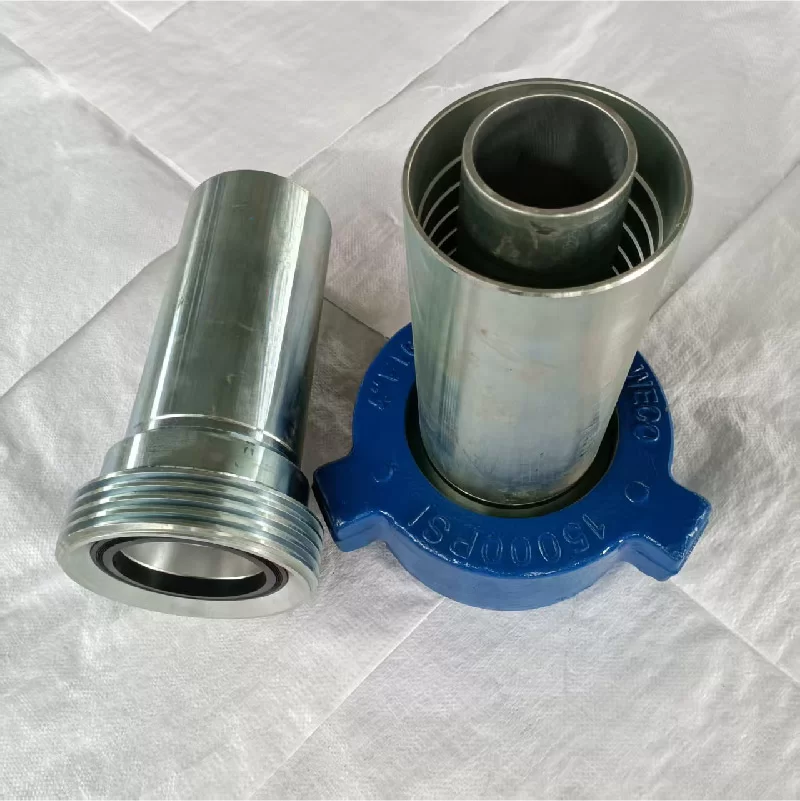
Advanced Oilfield Piping Solutions for Venezuela featuring Hammer Lug Union

Advanced Oilfield Piping Solutions for Venezuela featuring Hammer Lug Union

  • Home
  • Global Service
  • Advanced Oilfield Piping Solutions for Venezuela featuring Hammer Lug Union

Advanced Oilfield Piping Solutions for Venezuela featuring Hammer Lug Union

High-performance drilling and production equipment engineered to withstand the extreme pressure and corrosive environments of the Orinoco Belt.

Advanced Oilfield Piping Solutions for Venezuela featuring Hammer Lug Union

Providing the Venezuelan petroleum sector with precision-engineered API flange and valve components designed for heavy-duty extraction and transport operations.

Current State of Oilfield Infrastructure in Venezuela

Analyzing the intersection of legacy systems and the urgent need for modernized flow control.

The oil and gas landscape in Venezuela is characterized by a massive reserve of extra-heavy crude, particularly in the Orinoco Belt. However, much of the existing infrastructure relies on aging assets that are susceptible to rapid degradation. The demand for a reliable stainless Steel Flange has surged as operators seek to combat the aggressive corrosive properties of sour crude and salty groundwater.

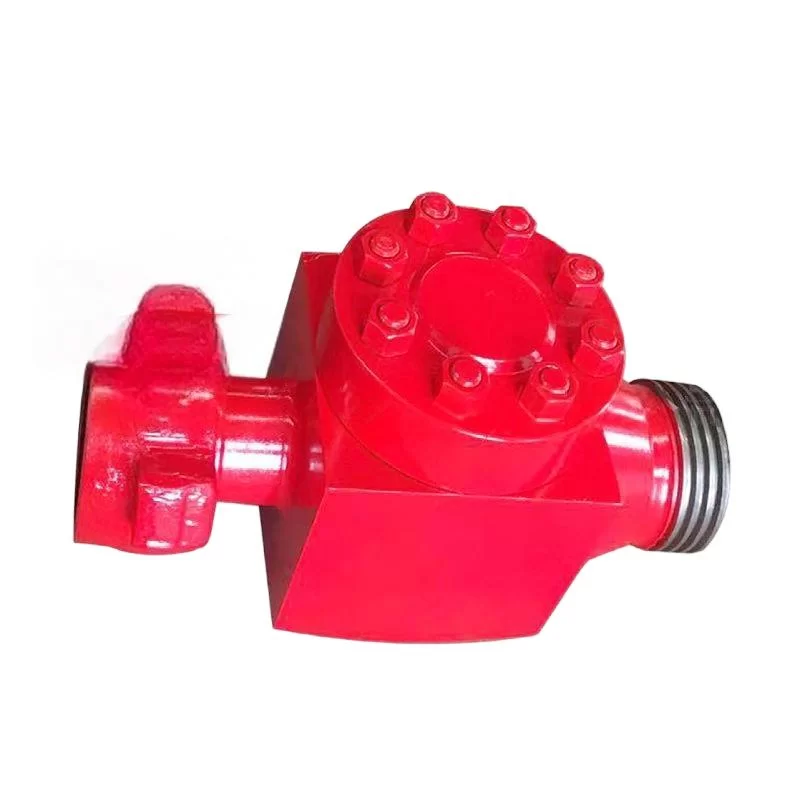
Economic fluctuations and sanctions have created a fragmented supply chain, leading many local operators to prioritize the maintenance of existing wells over new exploration. This has shifted the market focus toward high-durability replacement parts, such as the plug valve, which offers the superior sealing necessary to prevent leaks in high-pressure environments.

Furthermore, the humid tropical climate of the Venezuelan coast accelerates atmospheric corrosion. This environmental stress necessitates the use of specialized alloys and rigorous adherence to international standards to ensure that every connection remains airtight and safe for personnel.
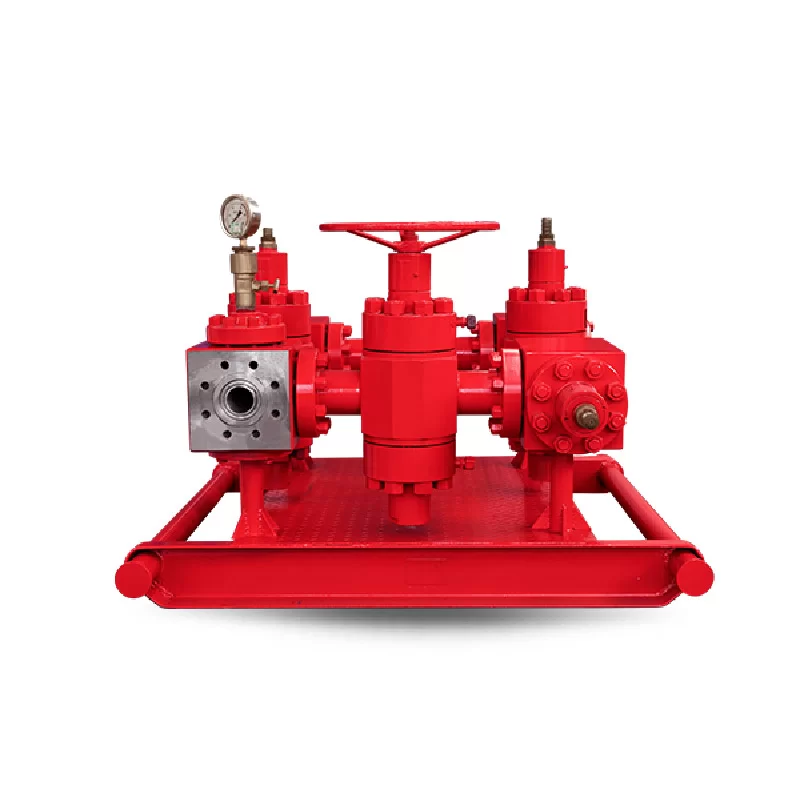
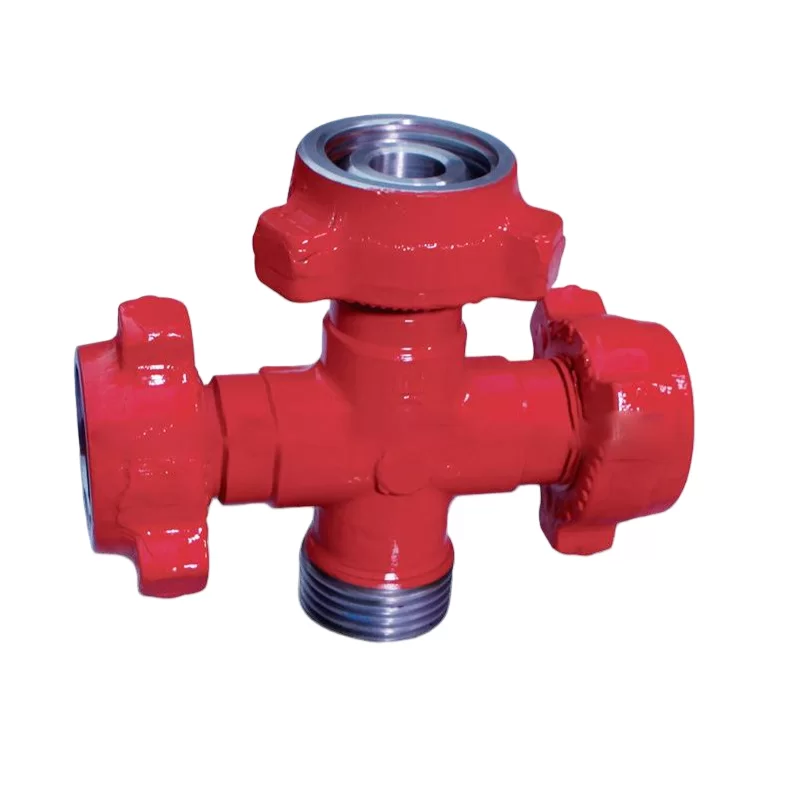
Evolution of Drilling Equipment Technology in Venezuela

From traditional forged steel to high-alloy precision components.

Market Development History

In the 1970s and 80s, the Venezuelan industry relied primarily on basic carbon steel components. During this era, the focus was on volume and raw strength, with standard flanges serving as the primary connection method for most drilling rigs.

By the early 2000s, the shift toward extra-heavy oil extraction required more sophisticated flow control. This period saw the widespread introduction of the Spectacle Blind Flange flang to allow for safer isolation during maintenance in complex refinery setups.

From 2015 to the present, the industry has moved toward "extreme environment" engineering. The integration of CNC machining and advanced metallurgy has allowed for the production of components that can handle the higher viscosities and chemical complexities of modern Venezuelan wells.

Future Development Trends

Smart Flow Monitoring

Integration of IoT sensors within valve bodies to monitor wear and tear in real-time, reducing unplanned downtime in remote Orinoco sites.

Advanced Corrosion Resistance

Increasing transition toward super-duplex stainless steels to extend the lifecycle of piping components in high-sulfur environments.

Rapid Deployment Connectors

Adoption of faster, more secure coupling systems to reduce the "time-to-oil" during rig mobilization and maintenance cycles.

Industry Trends and Future Outlook for Venezuela

Strategic forecasting for the next 3-5 years of oilfield equipment demand.

Standardization of API Protocols
A move toward strict API 6A and 16A compliance to ensure global interoperability of Venezuelan oilfield assets.
Material Upgrading
Replacing legacy carbon steel with high-grade chromium and nickel alloys to reduce failure rates in sour wells.
Maintenance Digitalization
Shifting from reactive repair to predictive maintenance using historical data on flange and valve failure.
Eco-Friendly Sealing
Adoption of zero-emission sealing technologies to comply with evolving environmental regulations in South America.

Industry Outlook

Based on search trends and regional energy reports, the demand for high-specification piping components in Venezuela is expected to stabilize as the industry focuses on "efficiency over expansion." This means a higher premium on the longevity of every single API flange installed.

We anticipate a 15% increase in the adoption of modular piping systems that can be quickly swapped out, reducing the downtime associated with the challenging logistics of the Venezuelan interior.

Localized Application Scenarios in Venezuela

Practical implementation of oilfield hardware across diverse Venezuelan terrains.

1. Orinoco Belt Extra-Heavy Crude Extraction

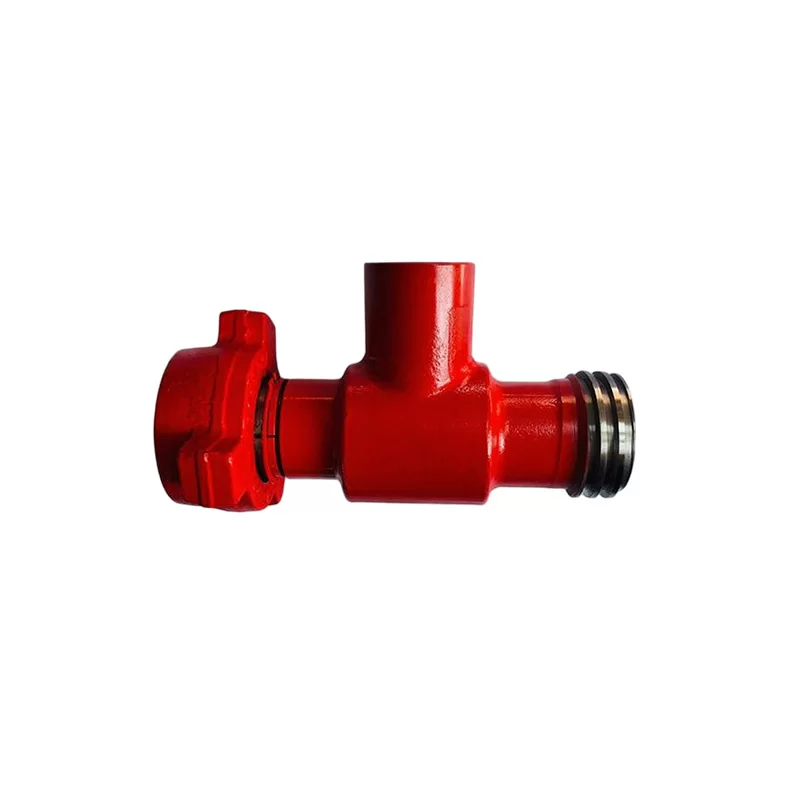
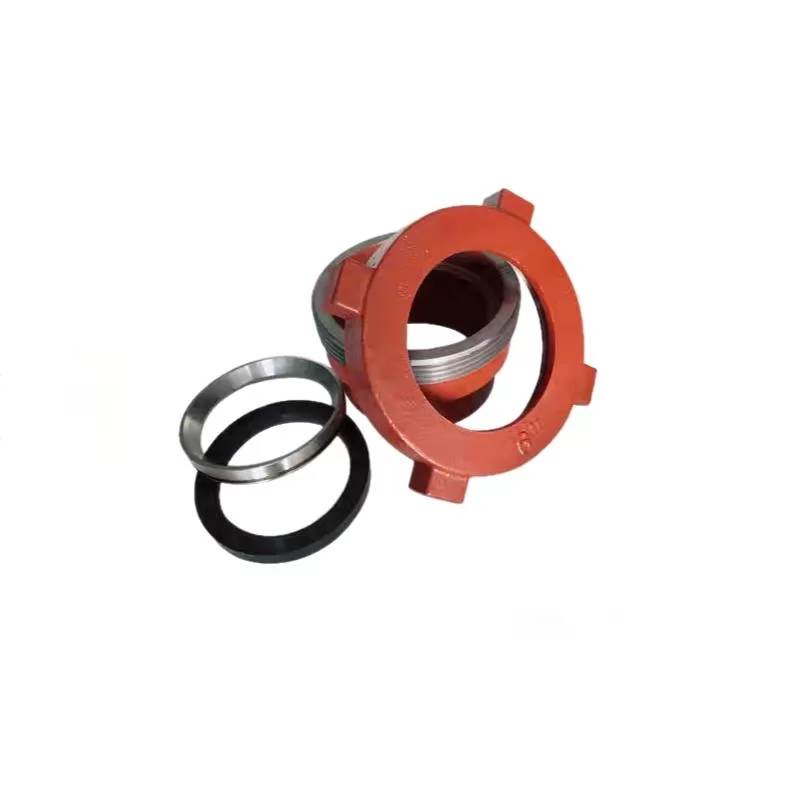
In the viscous oil sands of the Orinoco, high-torque connections are vital. The use of Hammer Lug Union ensures leak-proof joints that can withstand the vibration of heavy pumping units.

2. Lake Maracaibo Offshore Platforms

Facing constant saltwater spray and humidity, the offshore rigs in Lake Maracaibo rely on stainless Steel Flange to prevent galvanic corrosion and structural failure.

3. Refinery Maintenance in Puerto La Cruz

During scheduled shutdowns at coastal refineries, the Spectacle Blind Flange flang is used for positive isolation, ensuring zero hazardous gas leakage during pipe repairs.

4. High-Pressure Gas Gathering Lines

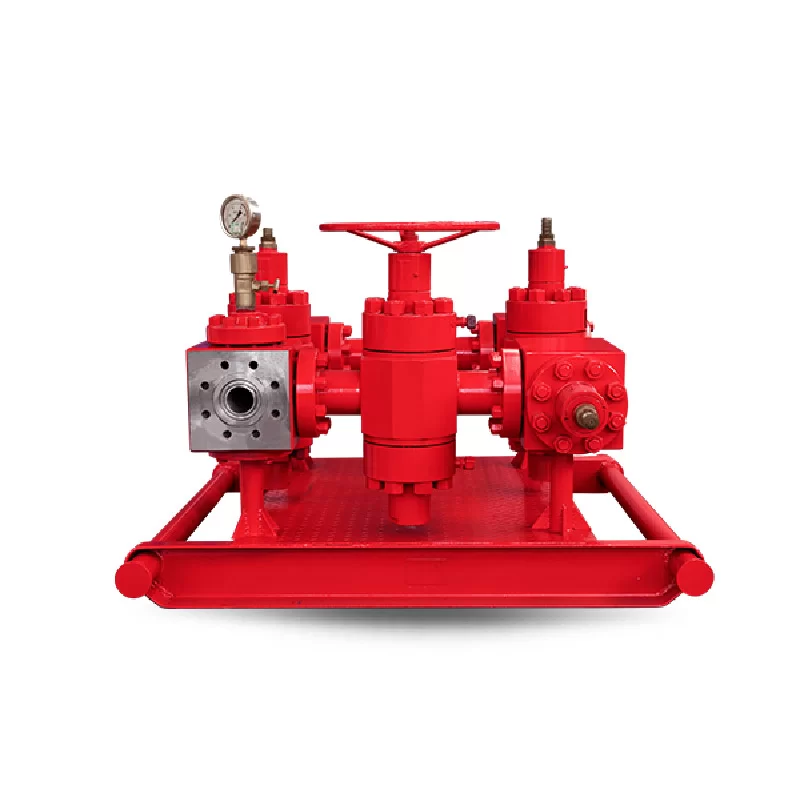
For natural gas transport from the Anzoátegui region, the plug valve provides a bubble-tight shut-off, critical for emergency safety protocols in gas-rich zones.

5. Remote Drilling Rig Mobilization

In the interior jungles, fast-assembly piping utilizing API flange standards allows for rapid rig setup and teardown, minimizing operational delays.

Brand Story

Global Development History of Hengshui Jinheng Rubber and Plastic Manufacturing Co., Ltd.

Foundational Excellence

Starting as a specialized manufacturer, we focused on the core science of sealing and connection, mastering the balance between flexibility and pressure resistance.

Technical Diversification

We expanded our portfolio into high-precision metallurgy, enabling us to produce oilfield components that meet the most stringent global API standards.

Global Market Entry

Recognizing the unique needs of South American energy markets, we optimized our logistics and product specs for extreme environments like Venezuela.

Innovation Breakthroughs

By integrating advanced CNC technology, we reduced the lead time for custom-sized flanges and valves without compromising on structural integrity.

Sustainable Future

Our current mission is to provide "zero-leak" solutions that protect the environment and maximize operational safety for the global energy sector.

Oilfield Equipment FAQ - Venezuela Region

Expert answers to the most common technical challenges in the Venezuelan oil sector.

What is the best material for a stainless Steel Flange in high-sulfur Venezuelan wells?

For high-sulfur (sour) environments, we recommend Duplex or Super Duplex stainless steels, as they provide superior resistance to stress corrosion cracking compared to standard 304/316 grades.

How does the Hammer Lug Union improve safety during drilling?

The Hammer Lug Union allows for rapid, secure connection and disconnection under pressure, reducing the time workers are exposed to potential leak points during pipe transitions.

Why is a plug valve preferred over a ball valve for heavy crude?

Plug valves typically have a more robust sealing mechanism that handles the particulates and high viscosity of extra-heavy crude more effectively, reducing the risk of internal clogging.

Can a Spectacle Blind Flange flang be customized for non-standard pressure ratings?

Yes, we can customize the thickness and alloy composition of the blind to meet specific pressure requirements beyond the standard API ratings common in Venezuelan refineries.

What certifications should I look for when buying an API flange?

You should ensure the product carries API 6A or API 5L certification, and comes with a Mill Test Report (MTR) to verify the chemical and mechanical properties of the steel.

How often should Hammer Lug Union components be inspected in the Orinoco region?

Given the high vibration and corrosive nature of the environment, we recommend a full visual and ultrasonic inspection every 3 to 6 months to prevent catastrophic fatigue failure.

Consult Our Venezuelan Oilfield Experts

Get tailored technical support and procurement solutions for your operations in Venezuela.

Contact Us Now

If you are interested in our products, you can choose to leave your information here, and we will be in touch with you shortly.


If you are interested in our products, you can choose to leave your information here, and we will be in touch with you shortly.