HighPerformance plug valve Solutions for Turkmenistan Oilfields

HighPerformance plug valve Solutions for Turkmenistan Oilfields

High-Performance plug valve Solutions for Turkmenistan Oilfields

Engineering superior fluid control and piping integrity for the extreme geological environments of Central Asia.

High-Performance plug valve Solutions for Turkmenistan Oilfields

Integrating world-class API standards with local durability to optimize drilling and production efficiency across the Caspian basin.

Operational Reality of Oil & Gas Infrastructure in Turkmenistan

Addressing the challenges of high-sulfur content and extreme temperature fluctuations.

Turkmenistan's energy sector is characterized by massive reserves but faces severe environmental challenges. The high concentration of H2S and CO2 in many gas fields necessitates the use of high-grade stainless Steel Flange components to prevent stress corrosion cracking and ensure long-term pipeline integrity.

The region's continental climate, featuring scorching summers and freezing winters, puts immense thermal stress on connection points. This volatility makes the reliable sealing of an API flange critical to avoid catastrophic leaks in remote desert locations where maintenance access is limited.

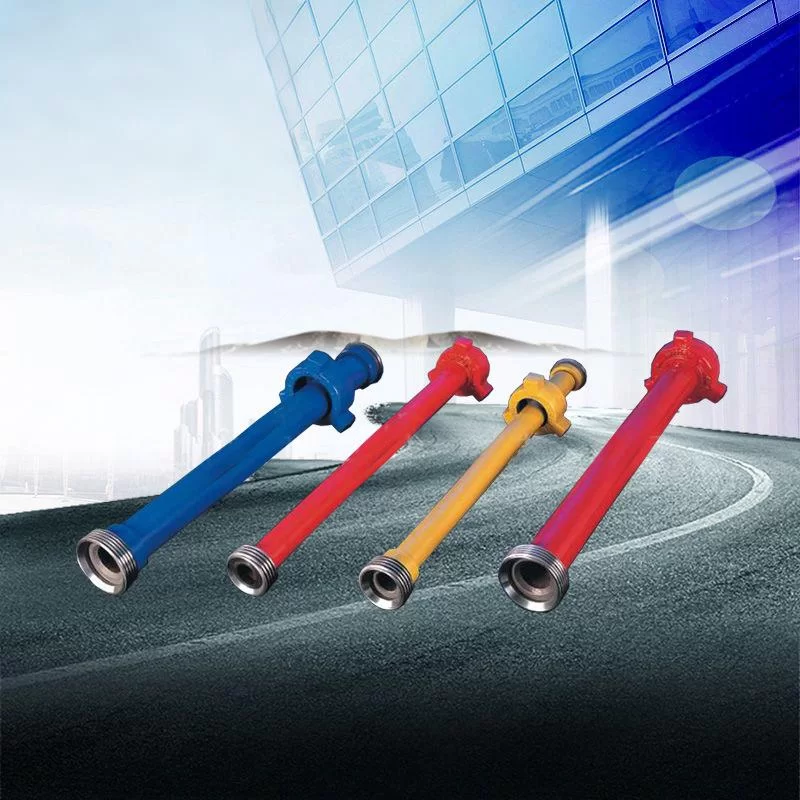
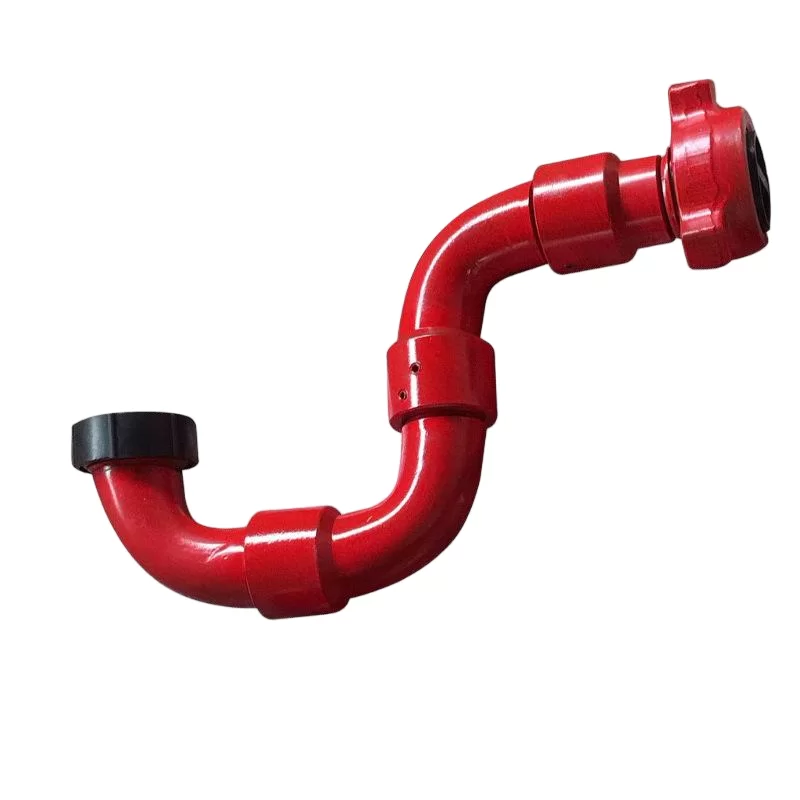
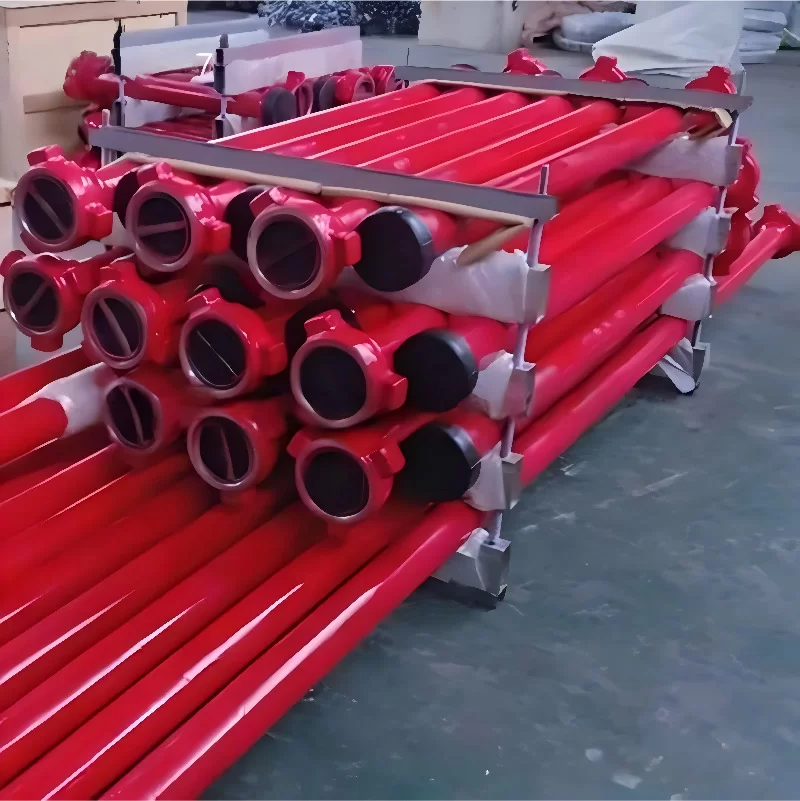
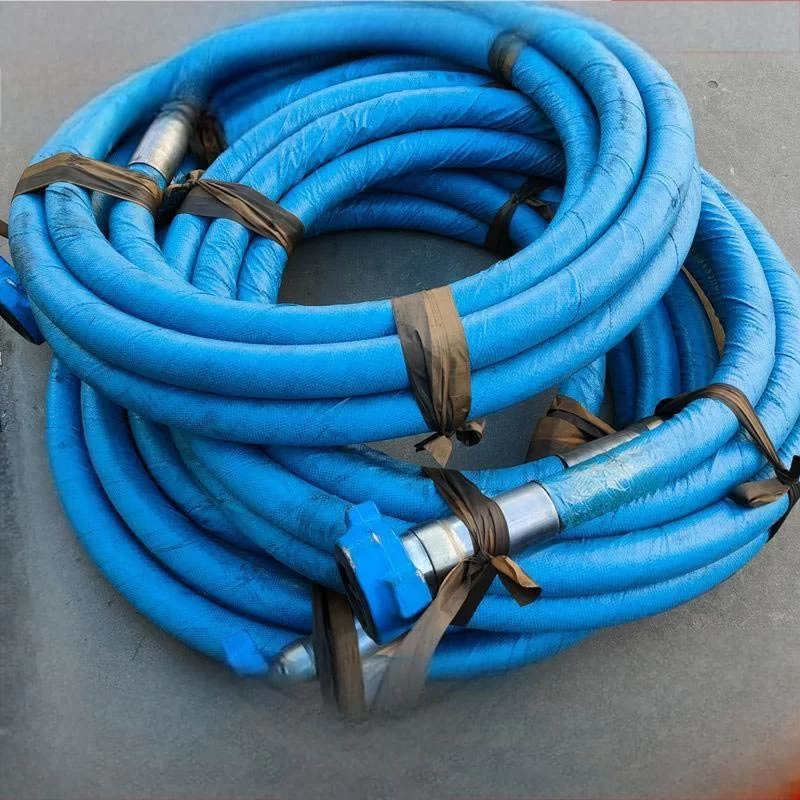
Furthermore, the shift toward deeper drilling in the Amu Darya basin has increased operating pressures. This has led to a surge in demand for heavy-duty Hammer Lug Union fittings that can withstand high-pressure surges during hydraulic fracturing and well completion phases.
Evolution of Drilling Equipment Standards in Central Asia

From legacy Soviet-era infrastructure to modernized global API standards.

Market Development History

Prior to the 2000s, the Turkmen industry relied heavily on GOST standards. However, the influx of international operators led to a technical pivot around 2005, introducing the widespread adoption of API flange specifications to ensure global interoperability.

Between 2010 and 2020, the focus shifted from simple extraction to refined safety and isolation. This era saw the integration of the Spectacle Blind Flange flang as a primary safety requirement for positive isolation during facility turnaround and maintenance.

Current developments are centered on "Smart Fields," where hardware is optimized for longevity. The transition from carbon steel to specialized alloys in corrosive zones has made the stainless Steel Flange a baseline requirement for new offshore and onshore projects.

Future Development Trends

Zero-Leakage Isolation Systems

Expect a shift toward automated isolation valves and reinforced blind systems to meet stricter environmental regulations regarding methane emissions.

Advanced Material Science

Integration of duplex and super-duplex steels to combat the aggressive corrosive nature of deep-sea Caspian deposits.

Modular Connection Rapid-Deployment

Increased use of high-torque, fast-connect unions to reduce downtime during the installation of mobile drilling rigs.

Industry Trends and Future Outlook 2025-2030

Strategic technological trajectories for Turkmenistan's energy infrastructure.

Digital Twin Integration
Implementing sensors on critical valves to monitor wear and leakages in real-time across remote Turkmen fields.
Corrosion-Resistant Alloys
Increasing shift toward Chrome-moly and Inconel coatings for components facing aggressive saltwater.
Sustainable Drilling
Optimizing equipment weight and energy efficiency to reduce the carbon footprint of extraction.
Modularization
Moving toward pre-fabricated piping skids to accelerate deployment in the Karakum Desert.

Industry Outlook

The Turkmenistan oil and gas market is transitioning from a volume-driven approach to a value-driven approach. This means a higher emphasis on the "life-cycle cost" of equipment. Components like the plug valve are no longer seen as commodities but as critical assets that determine the uptime of a multimillion-dollar well.

Google search trends indicate a growing regional interest in "high-pressure high-temperature (HPHT)" equipment. As Turkmenistan explores deeper reservoirs, the synergy between metallurgy and precision engineering will be the primary competitive advantage for equipment suppliers.

Localized Application Scenarios in Turkmenistan

Real-world deployments across various drilling and production environments.

01. High-Sulfur Gas Wellheads

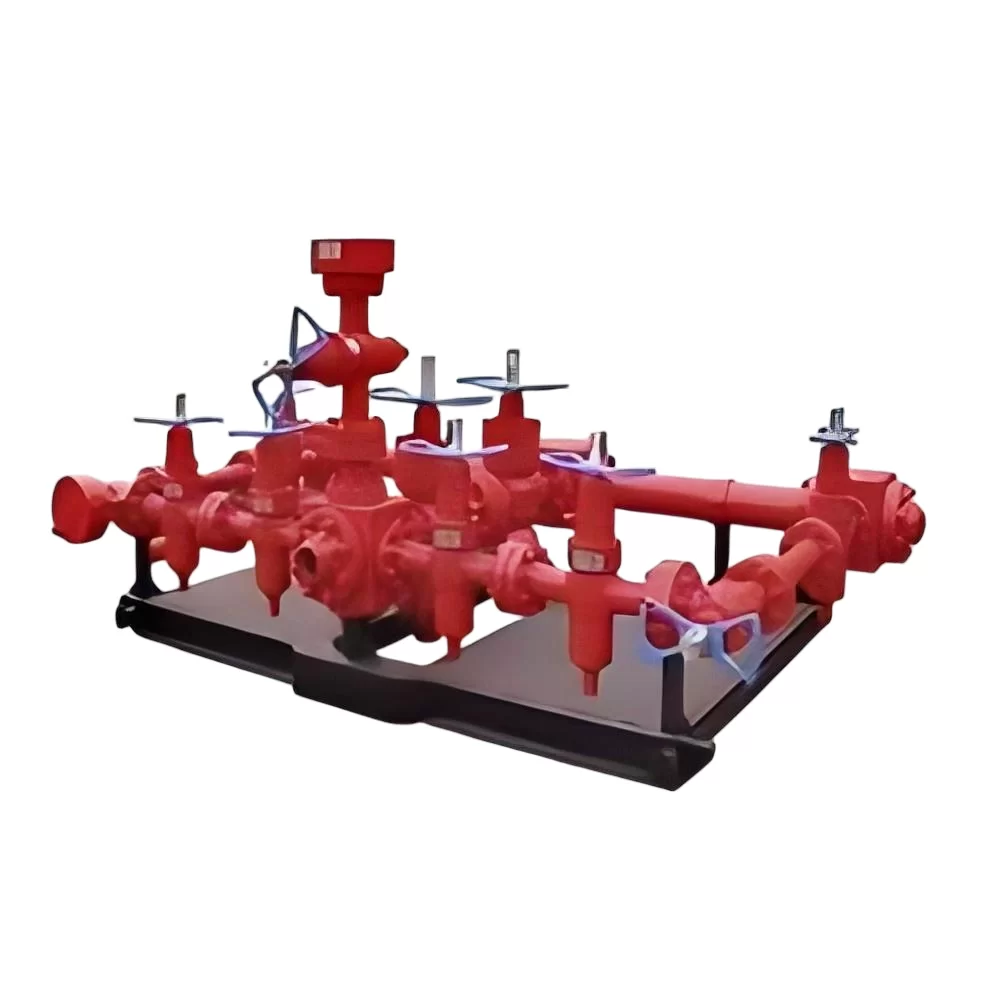
Utilizing stainless Steel Flange and corrosion-resistant valves to handle aggressive sour gas streams in the Galkynysh field.

02. Caspian Offshore Pipelines

Deploying API flange systems designed for seawater resistance and high external pressure to secure subsea connections.

03. Remote Desert Pipeline Maintenance

Using Spectacle Blind Flange flang for guaranteed safety isolation during scheduled maintenance in the Karakum region.

04. Rapid-Deploy Drilling Rigs

Integrating Hammer Lug Union for fast and secure piping assembly in mobile exploration units.

05. Midstream Processing Plants

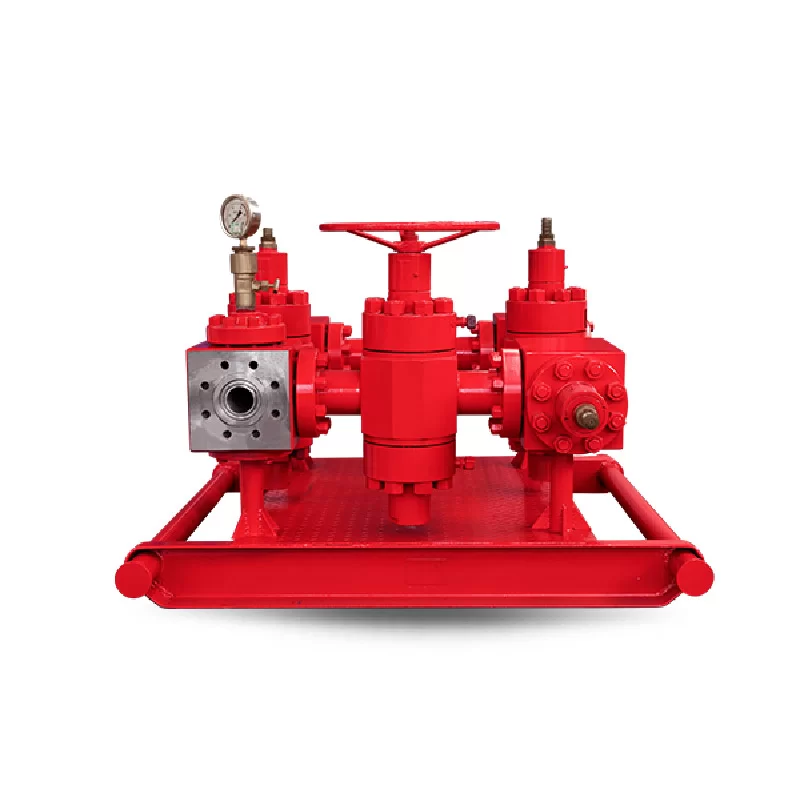
Installing high-cycle plug valve arrays to manage fluid flow between separation and compression stages.

Brand Story

Global Development History of Hengshui Jinheng Rubber and Plastic Manufacturing Co., Ltd.

Foundational Excellence

Established as a specialized manufacturer, focusing on the precision engineering of sealing and connection components for industrial use.

Oil & Gas Pivot

Expanded production capabilities to meet API standards, targeting the demanding requirements of the global petroleum extraction industry.

Material Innovation

Invested in advanced metallurgy to develop high-performance alloys that solve the pain point of rapid corrosion in sour gas environments.

Central Asian Expansion

Strategically entered the Turkmenistan market, providing localized technical support and customized piping solutions for regional operators.

Future-Ready Engineering

Now leading the way in integrating smart-monitoring compatibility into traditional hardware for the next generation of energy infrastructure.

Complete Product Portfolio for Turkmenistan Energy Sector

A comprehensive range of API-certified components for onshore and offshore applications.

Turkmenistan Oilfield Equipment FAQ

Expert answers to common technical queries regarding drilling components.

Which API flange standard is most common for gas wells in Turkmenistan?

Most modern projects follow API 6A or API 5L standards to ensure safety and compatibility with international drilling equipment.

How to choose between carbon steel and stainless Steel Flange for sour gas?

For high H2S environments, stainless Steel Flange is essential to prevent sulfide stress cracking, whereas carbon steel is suitable for sweet gas lines.

What are the advantages of a plug valve in high-pressure drilling?

A plug valve provides a bubble-tight seal and a clear flow path, making it ideal for the harsh, abrasive fluids often found in Turkmen wells.

Why is a Spectacle Blind Flange flang required for facility safety?

It provides a visual confirmation of isolation, ensuring that no hazardous gas can enter the work area during maintenance.

Can Hammer Lug Union be used for high-pressure hydraulic lines?

Yes, Hammer Lug Unions are specifically designed for rapid, high-pressure connection and disconnection in drilling and fracking operations.

How often should flange gaskets be replaced in the Karakum desert?

Due to extreme thermal cycling, we recommend quarterly inspections and replacement every 12-24 months depending on the fluid aggressiveness.

Get Expert Technical Support

Partner with the leading supplier of oil and gas hardware in Turkmenistan. Let us optimize your piping integrity.

Contact Us Now

If you are interested in our products, you can choose to leave your information here, and we will be in touch with you shortly.


If you are interested in our products, you can choose to leave your information here, and we will be in touch with you shortly.