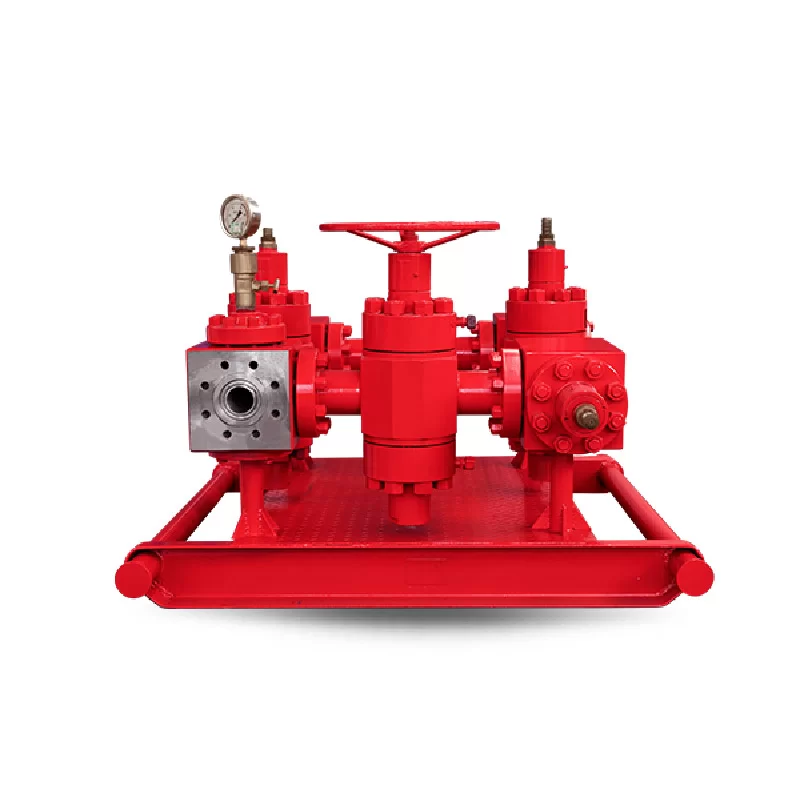
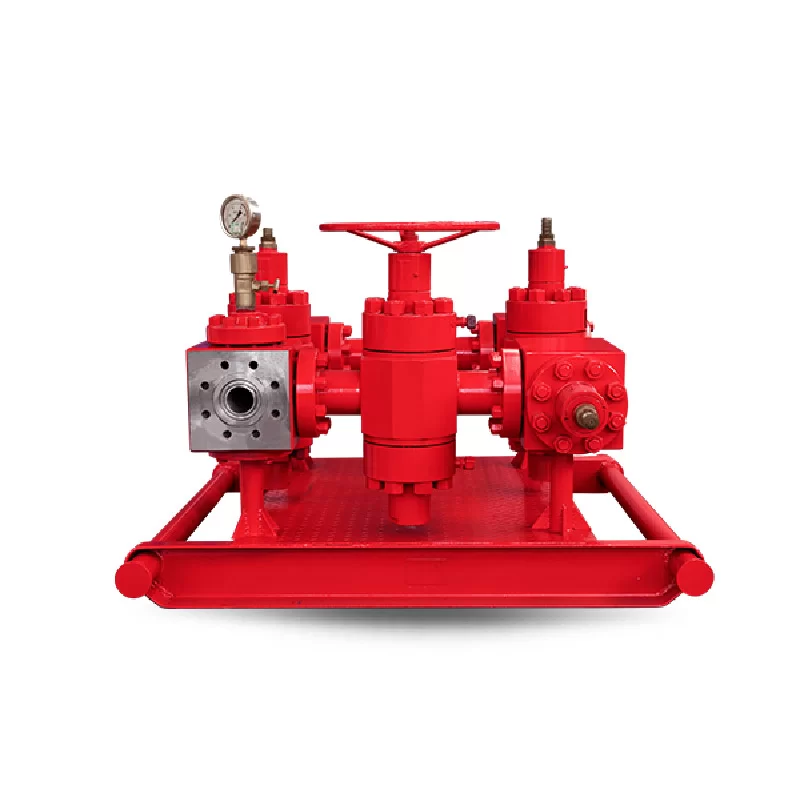
HighPerformance plug valve Solutions for Nigeria Oil Gas Sector

HighPerformance plug valve Solutions for Nigeria Oil Gas Sector

High-Performance plug valve Solutions for Nigeria Oil & Gas Sector

Providing heavy-duty drilling and production equipment engineered to withstand the corrosive environments of the Niger Delta.

High-Performance plug valve Solutions for Nigeria Oil & Gas Sector

Specialized procurement and engineering of high-pressure flow control components tailored for the unique geological challenges of the Nigerian petroleum industry.

Current State of Drilling Equipment in Nigeria

Navigating the operational complexities of West Africa's largest oil producer.

The Nigerian oil and gas landscape is characterized by a dual operational environment: the onshore swamps of the Niger Delta and deep-water offshore rigs. This diversity requires equipment that can handle both high salinity and fluctuating pressures, making the demand for a precision API flange critical for ensuring leak-proof connections across vast pipeline networks.

Environmental humidity and salt-spray corrosion in coastal regions like Port Harcourt have historically led to premature failure of standard carbon steel components. Consequently, there is a massive shift toward using stainless Steel Flange systems to extend the lifecycle of production facilities and reduce unplanned downtime during peak extraction periods.

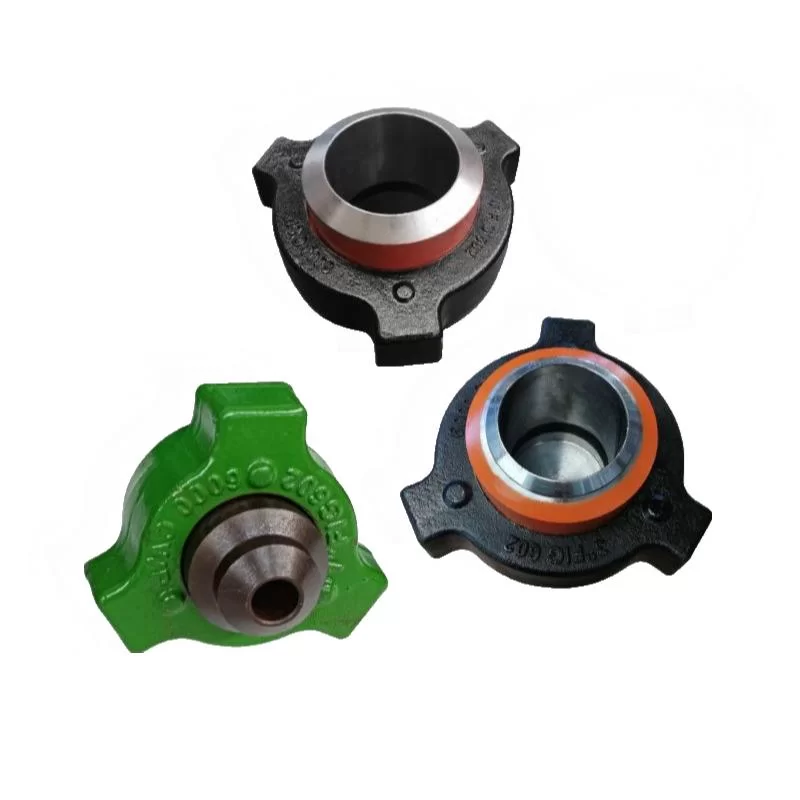
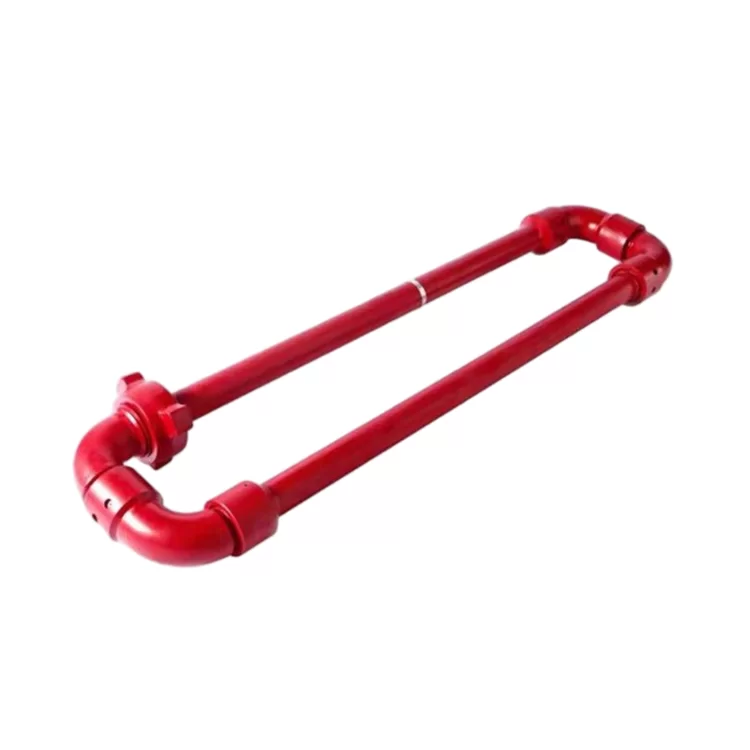
Despite the wealth of resources, the industry faces logistics bottlenecks and a need for standardized parts. The integration of reliable Hammer Lug Union fittings has become essential for rapid deployment in drilling sites where time-efficiency directly impacts the profitability of exploration projects.
Evolution of Oilfield Connection Technology

From basic mechanical joints to high-precision engineered seals.

Market Development History

In the early stages of Nigerian oil exploration (1950s-1980s), the industry relied on basic cast iron fittings and manual sealing methods. These early systems often struggled with the high-sulfur "sour gas" found in certain Nigerian fields, leading to frequent corrosion and safety hazards.

By the 1990s and early 2000s, the transition to international API standards became the norm. This era saw the widespread adoption of the Spectacle Blind Flange flang to enhance safety during maintenance, allowing operators to visually confirm that a section of the pipeline was completely isolated before personnel began repairs.

From 2010 to the present, the focus has shifted toward "Digital Oilfield" integration and materials science. The use of advanced alloys and CNC-machined components has minimized failure rates in deep-water projects, emphasizing the need for high-torque, high-seal integrity in all connecting hardware.

Future Development Trends

Composite Material Integration

We anticipate a move toward hybrid composite-metal seals to further combat the extreme oxidation caused by the tropical Nigerian climate.

Automated Flow Control

The transition from manual valves to smart-actuated systems will increase the precision of pressure management in aging onshore wells.

Standardization of Fasteners

Increased adoption of unified global standards to reduce the "lead time" for replacement parts arriving at Lagos and Onne ports.

Industry Trends & Future Outlook

Predicting the next phase of Nigerian energy infrastructure.

Corrosion Resistance Upgrade
Increasing demand for Super Duplex stainless steels to combat the aggressive saltwater environment of the Gulf of Guinea.
Modular Rig Design
Shifting toward rapid-assembly components to facilitate faster movement between onshore drilling sites.
Zero-Leak Standards
Stricter environmental regulations in Nigeria are forcing a transition to zero-emission valve seals.
Predictive Maintenance
Integrating sensors into flanges and valves to monitor structural integrity in real-time.

Industry Outlook

The Nigerian petroleum sector is currently undergoing a modernization phase. According to search trends for oilfield equipment in Africa, there is a surging interest in "corrosion-resistant alloys" and "API 6A compliance," indicating a professionalization of the supply chain.

Over the next 3-5 years, we expect the Nigerian market to move away from generic replacements toward precision-engineered solutions that reduce the Total Cost of Ownership (TCO) through extended replacement intervals.

Localized Application Scenarios in Nigeria

Real-world deployments of specialized equipment in diverse terrains.

1. Niger Delta Onshore Pipeline Isolation

Using the Spectacle Blind Flange flang in swampy regions to ensure absolute isolation of pipelines during critical valve replacements, preventing environmental spills in sensitive mangroves.

2. Deep-Water Offshore Platform Connections

Installation of high-grade API flange components on offshore rigs to maintain seal integrity under extreme hydrostatic pressure and saltwater exposure.

3. Sour Gas Extraction Facilities

Implementing stainless Steel Flange systems in gas processing plants to prevent H2S-induced stress cracking and ensure worker safety in high-toxicity zones.

4. Rapid Deployment Drilling Rigs

Utilizing Hammer Lug Union connections for fast-assembly flow lines, reducing the time required to move rigs between different exploration blocks.

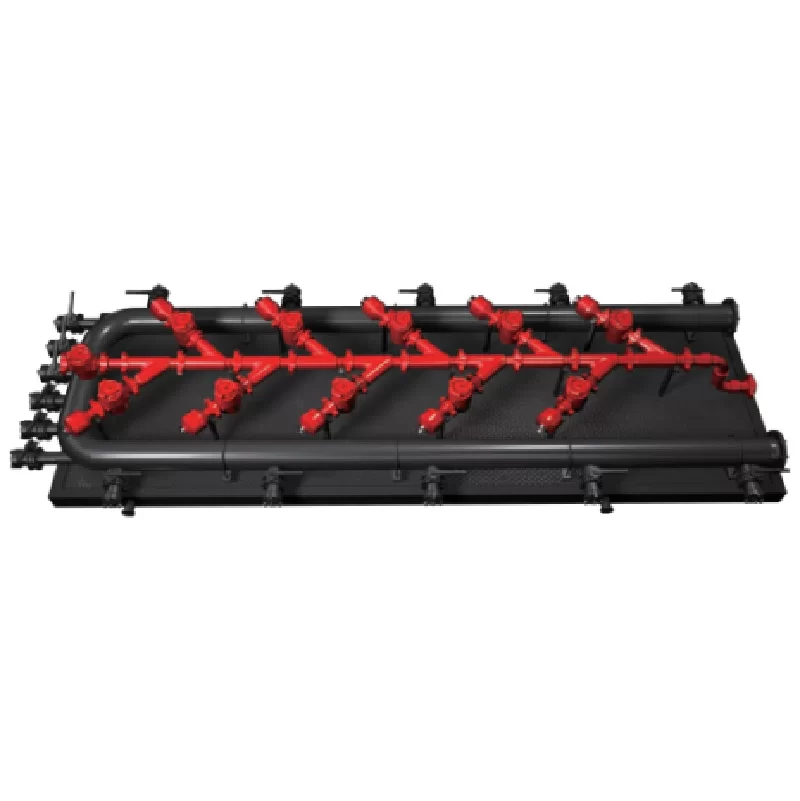
5. Crude Oil Storage Terminal Flow Control

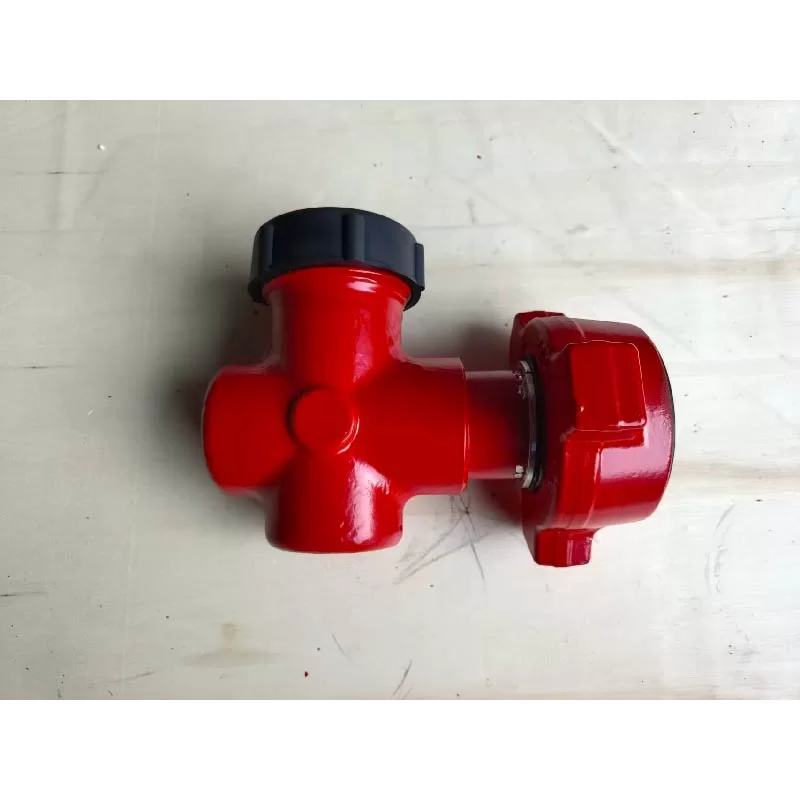
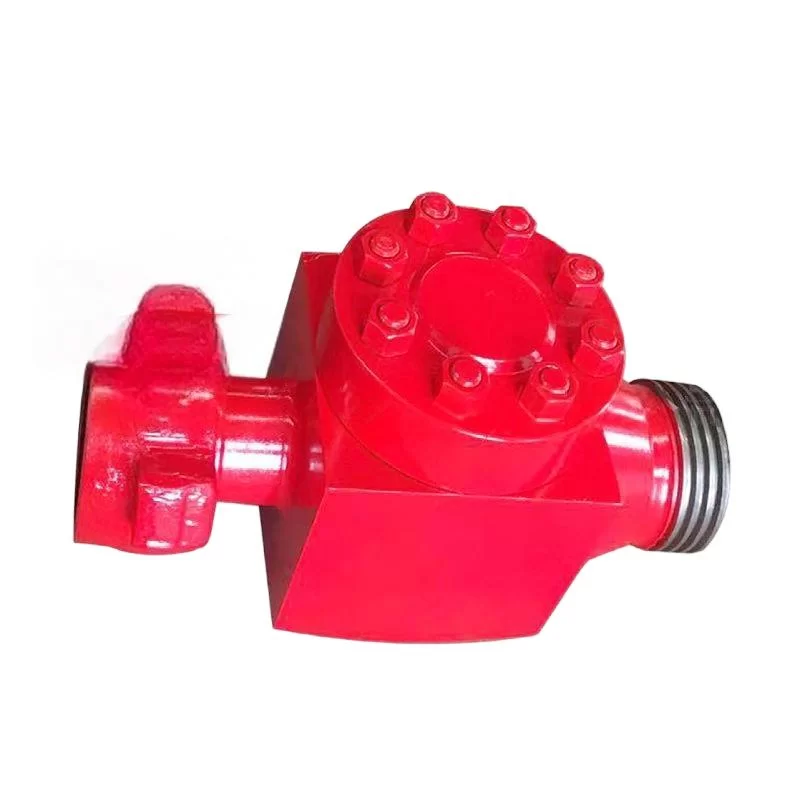
Deployment of heavy-duty plug valve units in tank farm manifolds to manage high-viscosity crude flow with minimal leakage and maximum durability.

Brand Story

Global Development Journey of Hengshui Jinheng Rubber and Plastic Manufacturing Co., Ltd.

Industrial Foundations

Established as a specialized manufacturer focusing on the core needs of the heavy equipment industry, bridging the gap between raw material quality and precision engineering.

Technical Standardization

Achieving global certifications and aligning production lines with API and ASME standards to serve the most demanding oil and gas markets worldwide.

African Market Expansion

Identifying the specific pain points of the Nigerian energy sector, such as extreme corrosion, and developing a dedicated line of rust-resistant components.

Innovation in Material Science

Investing in advanced metallurgy to produce high-performance seals and flanges that withstand the harshest geological conditions of West Africa.

Global Partnership Vision

Becoming a trusted strategic partner for Nigerian oilfield operators by providing not just parts, but complete flow-control reliability solutions.

Integrated Product Portfolio for Nigeria Energy Sector

Complete range of API-certified components for onshore and offshore operations.

Oilfield Equipment FAQ for Nigeria

Expert answers to common technical and logistical questions.

How to choose the right API flange for Niger Delta environments?

For the Niger Delta, we recommend API 6A compliant flanges with additional anti-corrosion coatings or high-grade stainless steel to withstand high humidity and saline soil.

What are the benefits of using a Spectacle Blind Flange flang in gas plants?

The spectacle blind provides a visual safety indicator, ensuring that pipelines are positively isolated during maintenance, which is critical for safety regulations in Nigerian gas facilities.

Can a plug valve handle high-viscosity crude oil?

Yes, our plug valves are specifically designed for heavy crude applications, offering a tight seal and minimal friction, making them ideal for Nigerian storage terminals.

Why is stainless Steel Flange preferred over carbon steel in offshore rigs?

Stainless steel offers superior resistance to chloride-induced stress corrosion cracking, which is prevalent in the saltwater environments of the Gulf of Guinea.

What is the installation advantage of a Hammer Lug Union?

Hammer Lug Unions allow for rapid connection and disconnection without the need for heavy wrenches, significantly accelerating the setup of temporary flow lines in remote drilling sites.

How to ensure API certification for imported equipment in Nigeria?

Ensure all components come with Mill Test Reports (MTR) and a Certificate of Conformity (CoC) specifically referencing the API 6A or API 5L standards.

Request Technical Specifications

Our engineering team is ready to support your oilfield projects in Nigeria with precision-made equipment.

Contact Us Now

If you are interested in our products, you can choose to leave your information here, and we will be in touch with you shortly.


If you are interested in our products, you can choose to leave your information here, and we will be in touch with you shortly.